

NG Apparels — clothing manufacturer India logo
Our Story +
Products +
Ethical Manufacturing
Resource +
FAQs Contact Us
Antimicrobial fabric finishes applied to custom medical scrubs at NG Apparels factory
Odor-resistant antimicrobial activewear manufacturing line in Ludhiana India
Wet processing pad-cure apparatus applying silane quat antimicrobial finish to fabric rolls

Engineering Technical Textiles · Ludhiana, India

Next-Gen Antimicrobial Fabric Finishes & Technical Apparel Sourcing.

Comprehensive OEM manufacturing guide for procurement managers: Silane quat, silver-ion, and bio-derived bio-barrier treatments tested to AATCC 100, ISO 20743, and EPA standards across 50+ wash cycles.

0Bacterial Kill Rate
0AATCC Wash Cycles
0EPA & BPR Compliant
0Direct Mill Experience

Technical Sourcing Blueprint

Deconstructing Antimicrobial Fabric Finishes:
Leaching vs. Non-Leaching Chemistries

For global textile procurement teams, selecting the optimal antimicrobial fabric finish requires balancing biocide efficacy, laundering durability, dermatological safety, and regulatory compliance. At NG Apparels, we eliminate middleman confusion by providing transparent wet-processing engineering.

1. Non-Leaching Organosilane Quaternaries (Silane Quats)

Silane quats (3-(trimethoxysilyl) propyl-dimethyl-octadecyl ammonium chloride) modify the fiber surface by forming a permanent covalent siloxane bond with hydroxyl groups on cotton, polyester, or blended fabrics. Unlike migratory biocides, silane quats act as a physico-mechanical bio-barrier.

  • Mechanism of Action: Long lipophilic hydrocarbon chains pierce bacterial cell walls, while the positively charged nitrogen atom ruptures membrane electrical potential (electro-mechanical lysis).
  • Wash Durability: Exceeds 50 to 75 home launderings (AATCC 135 / ISO 6330) because the agent becomes an integral part of the polymer matrix.
  • Leaching Risk: Zero chemical migration into human sweat or skin pores, drastically lowering irritation risks and avoiding microbial resistance mutation.
  • Ideal Sourcing Categories: Medical scrubs, athletic base layers, underwear, bedding, and babywear.
2. Leaching Metallic Biocides (Silver-Ion & Zinc Pyrithione)

Metallic antimicrobial treatments rely on controlled chemical release. Silver ions ($Ag^+$) or Zinc complexes migrate slow-rate from micro-capsules or ceramic carrier substrates into moisture film to interact with bacterial metabolic pathways.

  • Mechanism of Action: Silver ions bind to thiol groups (-SH) in essential cellular enzymes, inhibiting DNA replication, cellular respiration, and nutrient transport.
  • Spectrum of Activity: Broad spectrum against Gram-positive (Staphylococcus aureus), Gram-negative (Klebsiella pneumoniae, Escherichia coli), and fungi (Candida albicans).
  • Laundering Longevity: 30 to 50 wash cycles depending on binder cross-linking agents and resin selection during the thermosetting stage.
  • Ideal Sourcing Categories: Outerwear, heavy-duty industrial workwear, ski suits, footwear liners, and technical accessories.

Comparative Analysis: Antimicrobial Technologies Matrix

This empirical comparative matrix reflects standardized laboratory data generated from NG Apparels' Ludhiana wet-processing facility in compliance with international testing standards.

Biocide Class Primary Chemical Agent Mechanism Standard Test Method AATCC 100 Wash Efficacy Regulatory Status (EPA / BPR)
Silane Quat Organosilane Ammonium Chloride Mechanical Lysis (Non-leaching) ASTM E2149 / AATCC 100 >99.5% reduction @ 50 washes EPA Registered, EU BPR Article 95
Silver Ion ($Ag^+$) Silver Chloride in Titanium Dioxide Matrix Enzyme Thiol Binding (Leaching) AATCC 100 / ISO 20743 >99.0% reduction @ 40 washes OEKO-TEX Standard 100 Class I
Zinc Complex Zinc Pyrithione ($ZnPT$) Membrane Transport Inhibition AATCC 147 / JIS L 1902 >98.5% reduction @ 30 washes REACH SVHC Free, ZDHC Level 3
Bio-Polymer Deacetylated Chitosan Extract Cellular Polycationic Disruption ISO 20743 / AATCC 100 >97.0% reduction @ 25 washes 100% Bio-based, GOTS Approved

Garment Application Spectrum

Targeted Apparel Solutions
Engineered with Antimicrobial Integrity.

From high-velocity activewear to infection-control hospital scrubs, NG Apparels integrates antimicrobial fabric finishes directly at the liquor bath phase or padding mangle, guaranteeing deep fiber penetration.

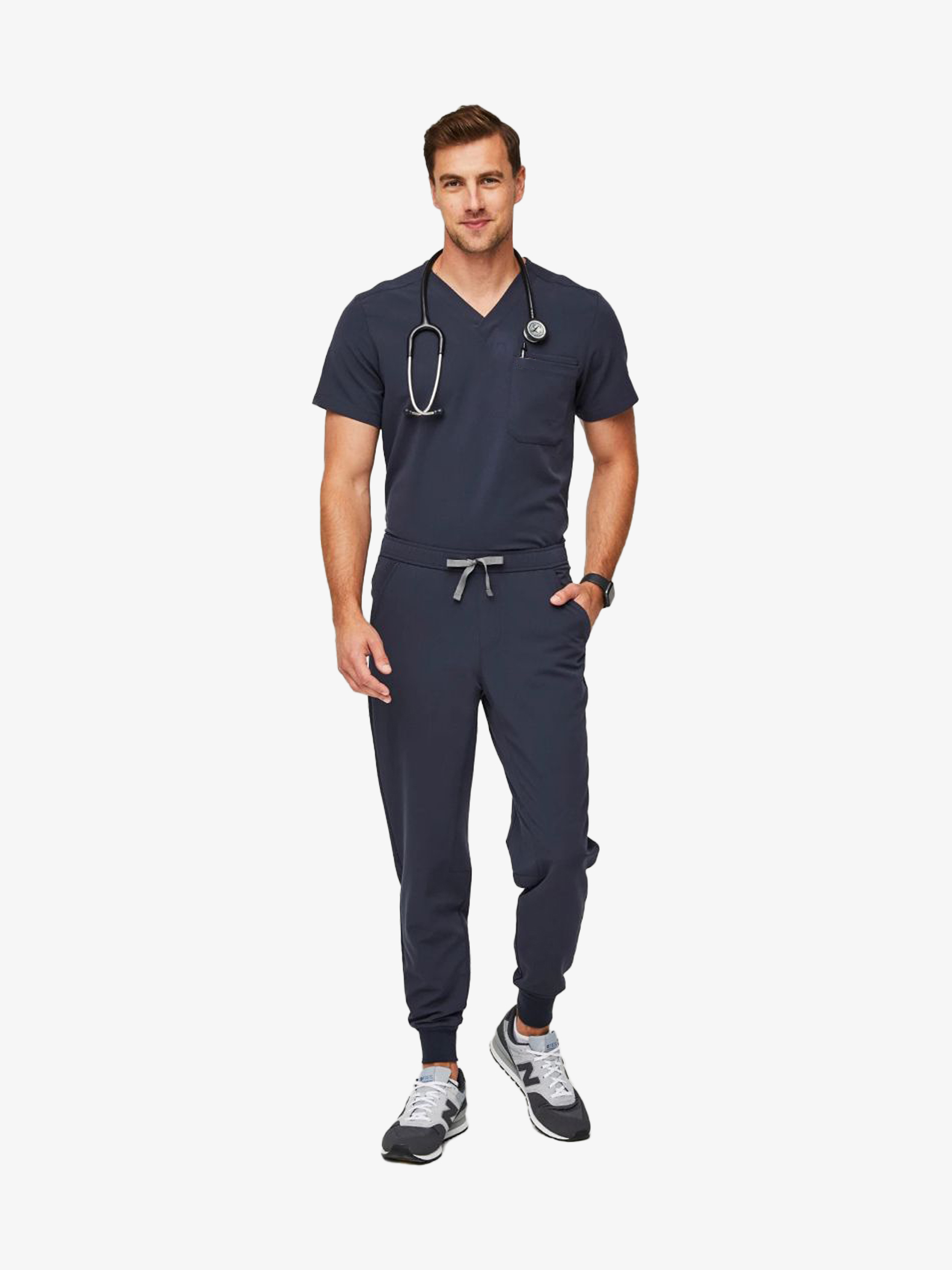
Medical scrubs manufacturer in India using silane quat antimicrobial fabric finishes
Medical & Healthcare UniformsSilane Quat · Fluid Repellent · EN 13795
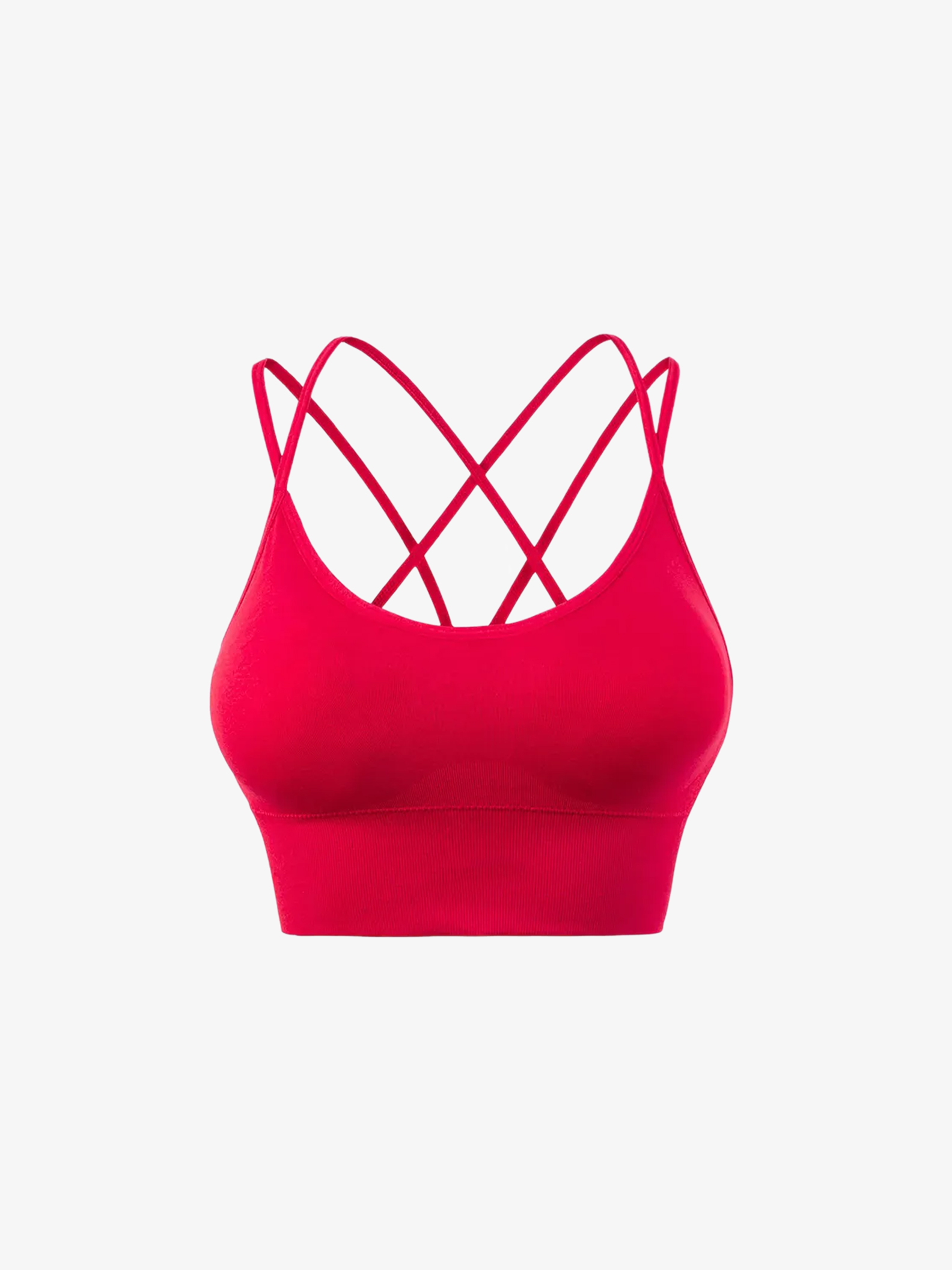
Antimicrobial sports bra manufacturer using silver ion odor control finish
Activewear & Yoga BrasSilver Ion · Odor Control · 4-Way Stretch
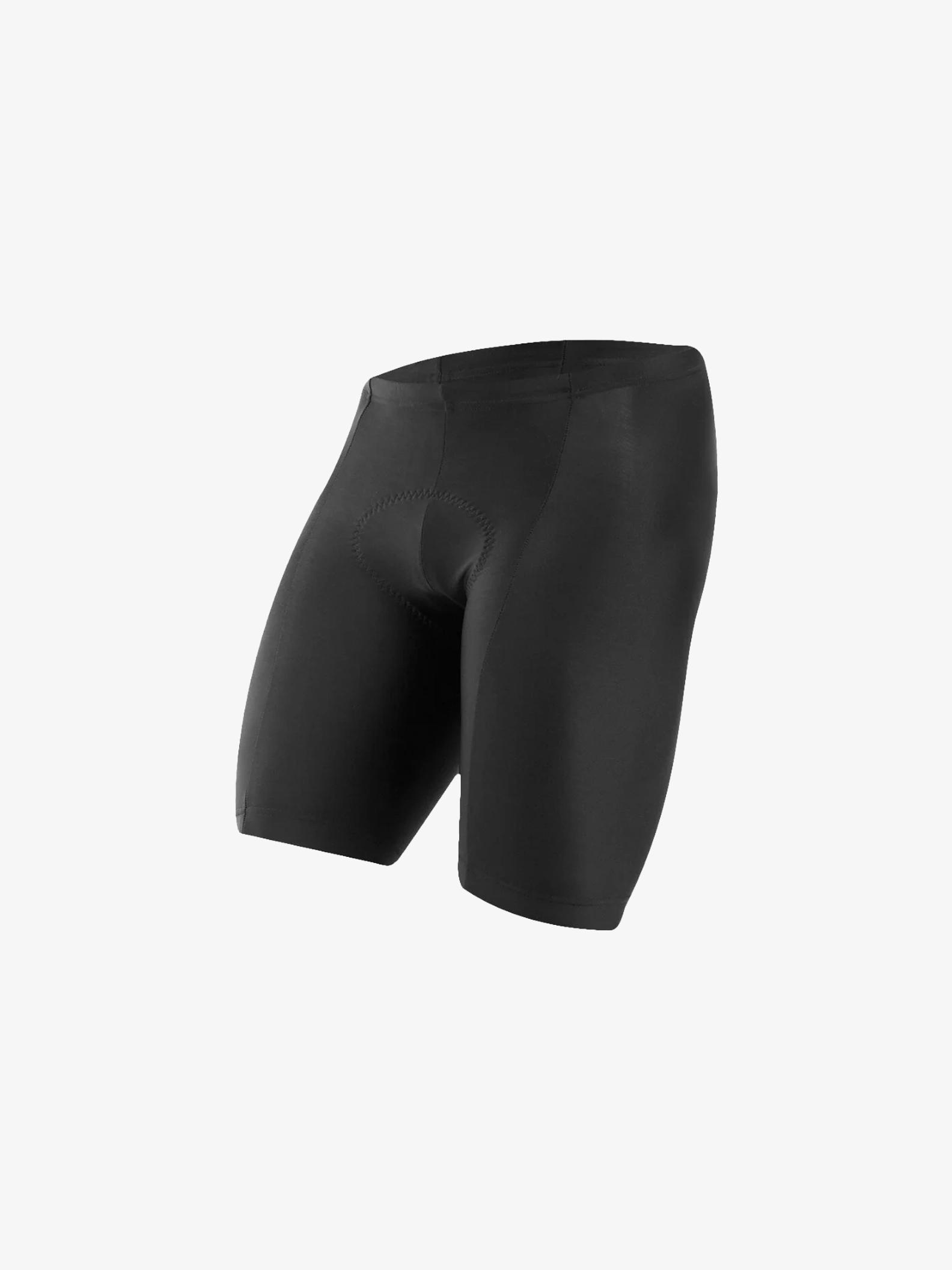
Padded cycling shorts manufactured with antibacterial chamois treatment
Cycling Shorts & ChamoisAnti-Fungal · Friction Barrier
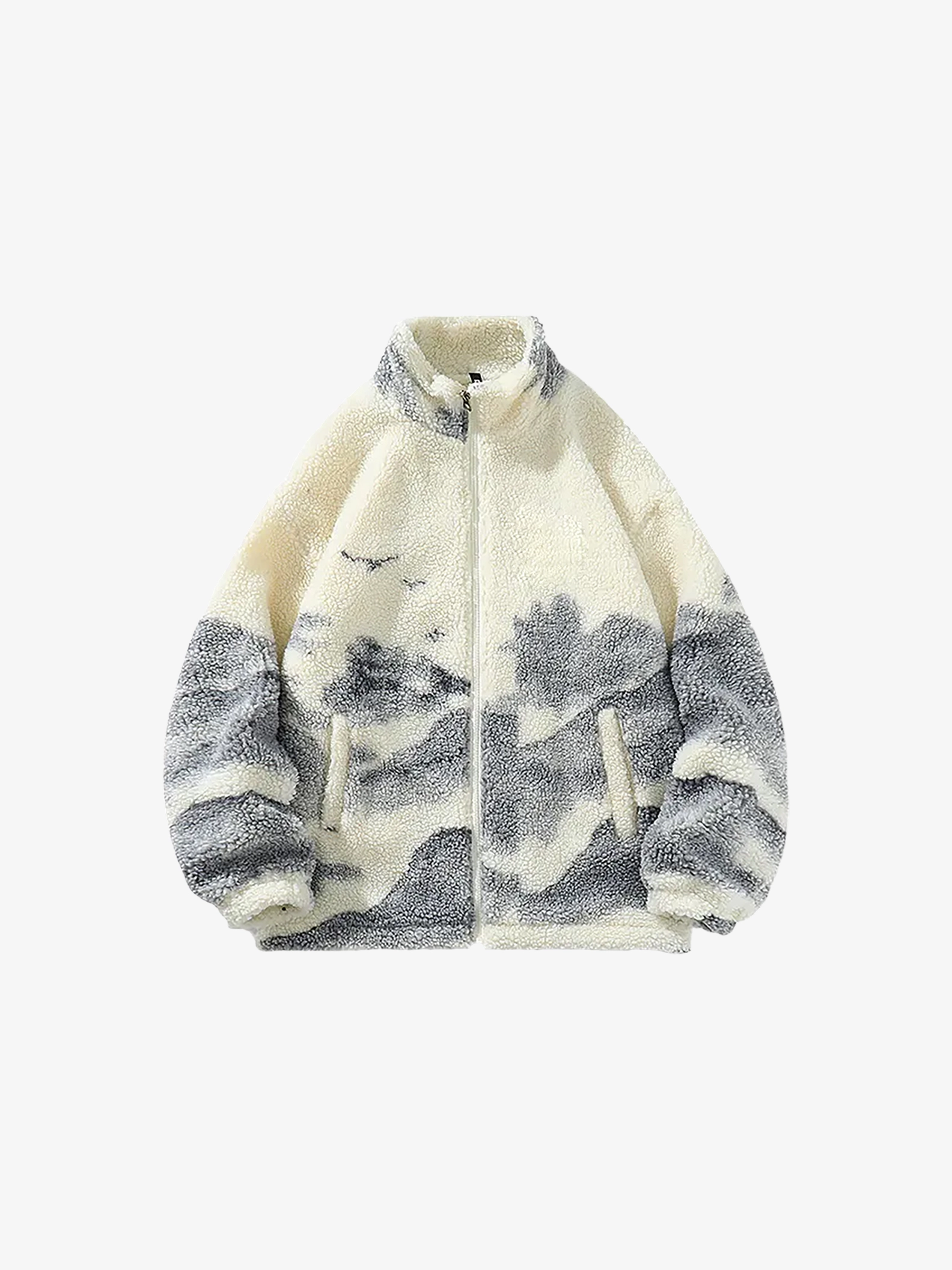
Fluffy fleece jacket made with durable antibacterial knitted fabric
Technical Fleece OuterwearZinc Pyrithione · Thermal Retention
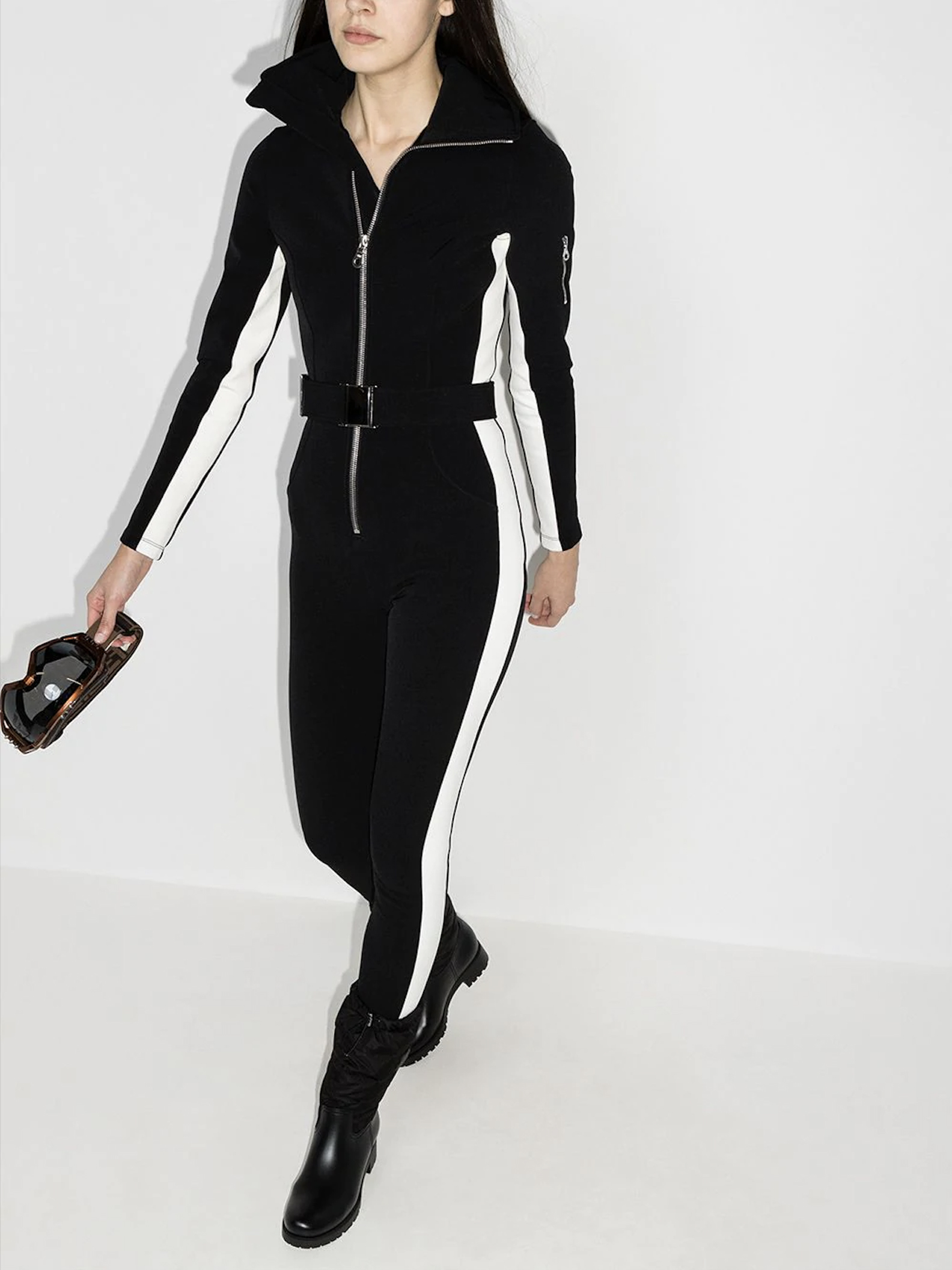
Insulated ski suits with antimicrobial lining and moisture management
Insulated Ski SuitsDual Action DWR + Antimicrobial
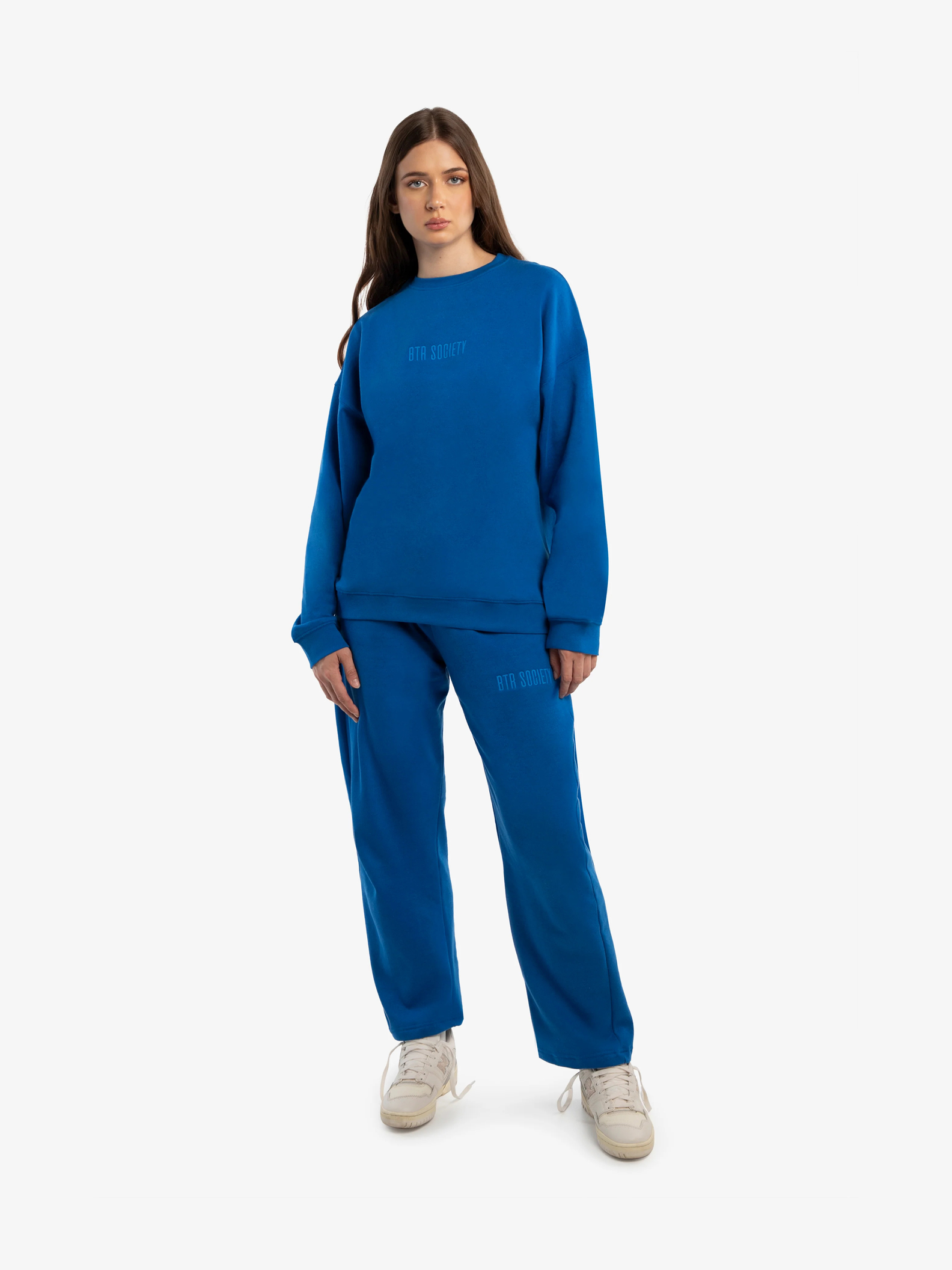
GOTS organic cotton sweatshirt with bio-based chitosan antimicrobial finish
Sustainable Organic SweatsChitosan Finish · GOTS Certified
Printed bamboo woven shirt with inherent antimicrobial property reinforcement
Bamboo Woven ShirtingNatural Kun + Antimicrobial Top-coat
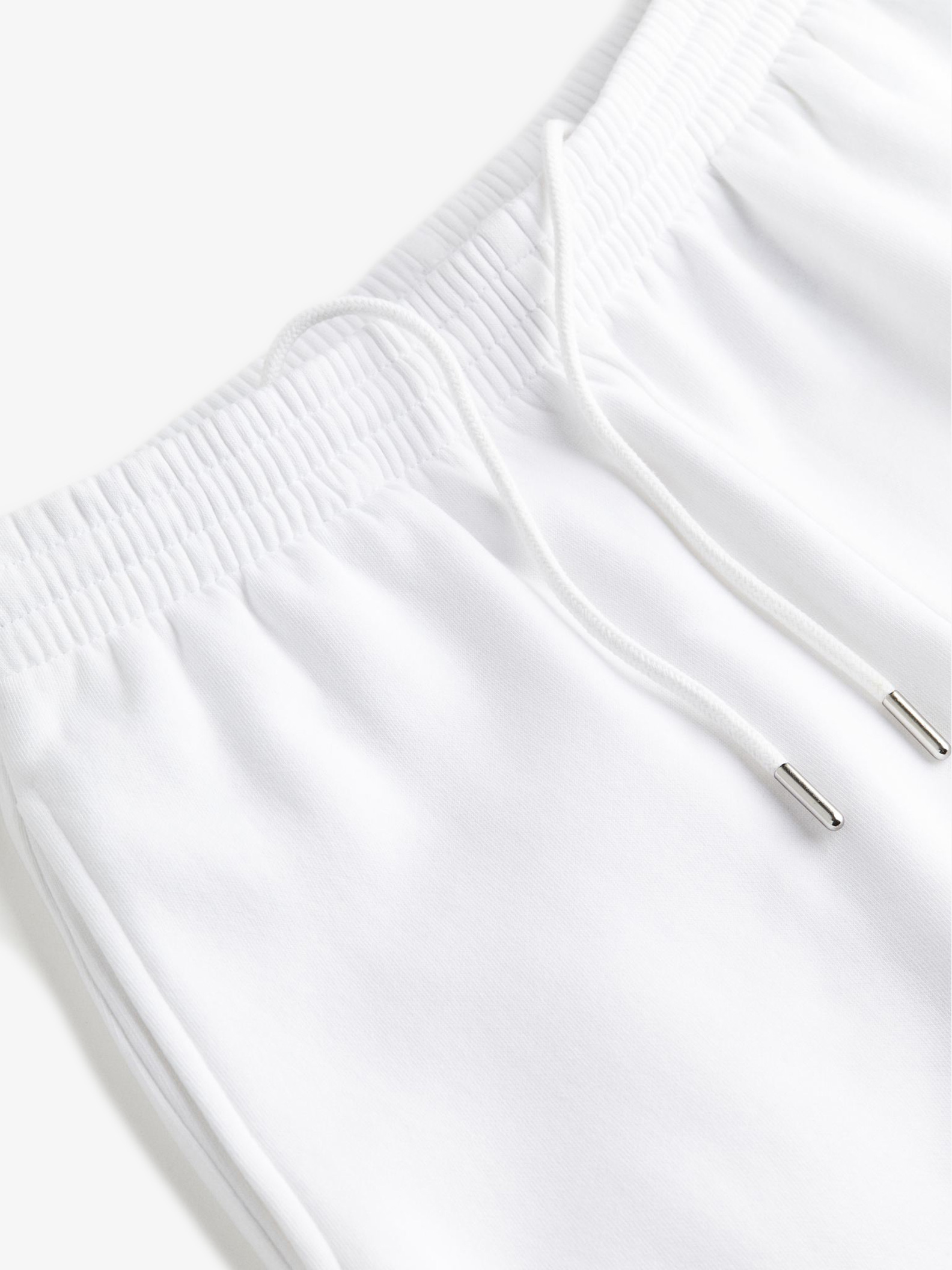
Cotton joggers with antibacterial fleece interior
Performance JoggersLoop Knit · Sweat Odor Defense
Custom swimwear manufactured with antibacterial and chlorine resistant finish
Chlorine-Resistant SwimwearAnti-Microbial + UV Block

Global Sourcing Trends

The Future of Antimicrobial Finishes: Regulatory Rigor & Bio-Synthetics

As global enforcement tightens around biocide leaching, micro-plastics, and heavy metal persistence in wastewater, apparel brands must adapt their procurement matrices before non-compliant goods face customs blocks.

NG Apparels is pioneering sustainable technical textile finishing in India. Our ongoing R&D centers around three critical market shifts currently shaping buyer demand across North America, Europe, and Australia:

  • Elimination of Heavy Metal Leaching: Regulatory authorities like the US EPA (under FIFRA) and the EU ECHA (under BPR) are expanding restrictions on free nano-silver. Global buyers are transitioning toward non-migratory silane quats and microencapsulated bio-polymeric agents.
  • Bio-Based Antimicrobials (Chitosan & Botanical Polyphenols): Derived from upcycled crustacean shells or plant tannins, bio-based polycationic finishes provide an OEKO-TEX Standard 100 Class I safe profile, perfect for infant clothing, maternity wear, and sustainable loungewear brands.
  • Compatibility with Circular Textile Recycling: Traditional heavy resin binders contaminate mechanical shredded fiber loops. Modern silane-reactive linkages preserve the purity of post-consumer cotton and polyester during chemical recycling processes.
Consult Our Technical Finishes Team

Why Procurement Officers Choose NG Apparels for Technical Finishes

"Antimicrobial efficacy is only as credible as its batch laboratory validation. At NG Apparels, every yard of treated fabric undergoes pad-bath pH monitoring, stenter temperature curing calibration, and third-party lab verification prior to garment cutting."

Direct Mill Quality Protocol Integrated Knitting, Dyeing & Finishing Facility — Ludhiana, India

E-E-A-T Factory Heritage

45 Years of Master Craftsmanship
Vertical Manufacturing Excellence.

Founded in 1981 in Ludhiana, Punjab, NG Apparels operates three generations of textile finishing expertise under one roof. Our vertically integrated facility bridges raw yarn selection with advanced chemical wet-processing and garment sewing.

By eliminating third-party sourcing agents, we grant international buyers direct oversight over chemical formulations, tech-pack execution, and production auditing. Your intellectual property, custom pattern blocks, and brand privacy remain strictly protected under non-disclosure agreements.

Take an Infrastructure Tour
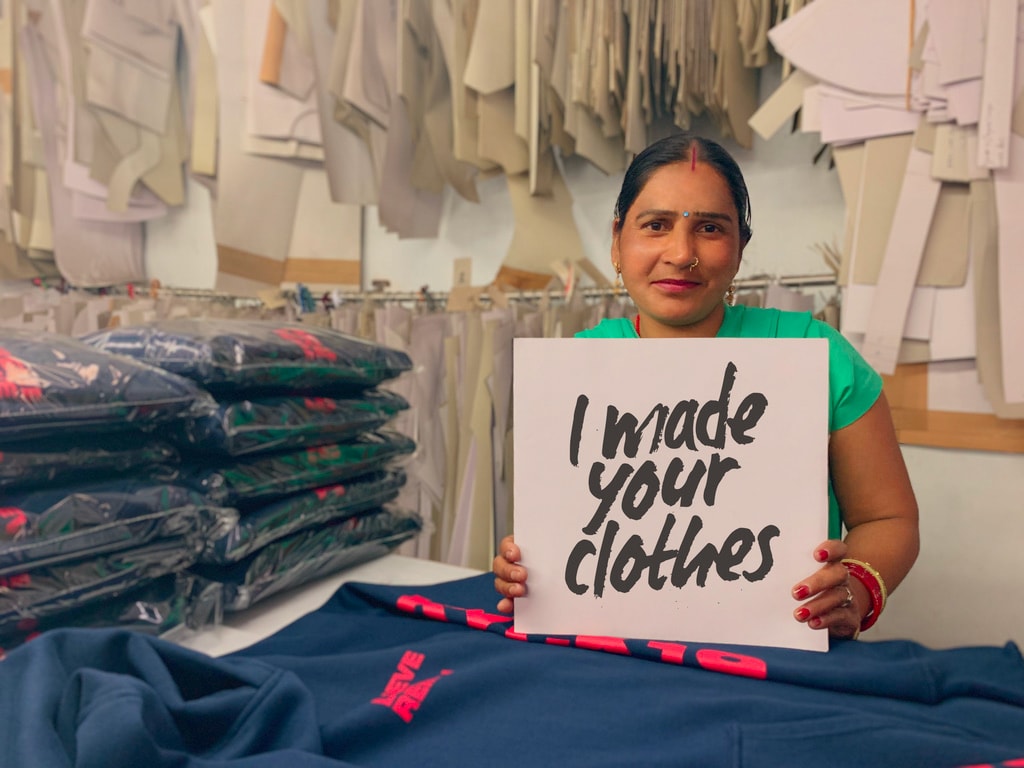
Ethical garment factory floor at NG Apparels with skilled women textile operators
Ethical compliance icon
Ethical Labor Compliance

Fair wage audits, female empowerment initiatives, and zero child labor guaranteed.

Vertical integration manufacturing advantage icon
Direct Mill Precision

Padding mangle thermo-fixation, automated liquor ratio control, and batch traceability.

Engineering Integrity

The Technical Edge
Why Brands Trust Our Fabric Finishes.

Uncompromising quality assurance protocols ensure every production lot matches your target specification, color fastness, and biocide performance metrics.

01

AATCC 100 Quantitative Testing

We do not rely on generic qualitative halo tests. Every antimicrobial fabric batch undergoes rigorous quantitative microbial incubation measuring log-10 reduction against S. aureus and K. pneumoniae.

02

Zero Hand-Feel Degradation

Improper chemical curing can make fabrics stiff. Our soft-polymeric bath additives preserve natural cotton softness, moisture dissipation, and breathability without compromising skin comfort.

03

Multi-Functional Finish Synergy

We engineer multi-layered chemical treatments. Combine non-leaching silane antimicrobial protection with durable water repellency (DWR), stain-release, or UV shielding in a single process.

04

Zero Middleman Confidentiality

Working directly with our Ludhiana factory prevents technical specs or proprietary brand silhouettes from leaking to competitor factories. Your tech packs remain archived under secure brand vaults.

05

Eco-Tox Compliance & ZDHC

We work exclusively with chemical suppliers compliant with ZDHC MRSL Level 3, REACH SVHC, and OEKO-TEX Standard 100, ensuring your garments clear international customs without biocide holds.

06

Flexible Launch Quantities

Our operational structure accommodates emerging technical apparel brands with initial custom fabric runs starting at 300 pieces per style, scaled seamlessly up to container-load exports.

Verified OEM Buyer Feedback

What International Sourcing Directors
Say About Working With NG Apparels.

Organic apparel icon
“NG Apparels formulated a custom silane-quat antimicrobial finish for our medical scrubs line that retained over 99% efficacy after 60 industrial wash cycles. Their direct mill feedback saved us thousands in sample revisions.”
Dr. Marcus Vance
Director of Product Sourcing, HealthWear Solutions (USA)
“Finding an Indian factory that understands the nuances of AATCC 100 quantitative testing and European Biocidal Products Regulation compliance was a game-changer for our activewear brand.”
Elena Rostova
Head of Supply Chain, Aerocore Athletic (Germany)
“Their vertical knitting and finishing integration means we get custom-dyed antimicrobial bamboo and organic cotton blend fabrics delivered faster than sourcing agents in East Asia could even send swatches.”
Liam Thorne
Founder, EcoPerform Gear (Australia)

Global Sourcing Partners

Trusted by Leading Garment Brands Worldwide.

We manufacture and export custom apparel and functional technical fabrics across North America, Europe, the Middle East, and Asia-Pacific.

New Balance
Burlington
Nordstrom
Carrefour
Bulforio
Honour
DOU
The Gimnasio
Instrmntl
Ecoequestrian
Reesheh
Drip Galore

Technical Sourcing FAQ

Frequently Asked Questions:
Antimicrobial Fabric Finishes & Bulk OEM Production.

Leaching antimicrobial finishes (such as free silver ions or zinc complexes) rely on chemical diffusion into the moisture layer surrounding the textile to neutralize bacteria. While effective, leaching agents deplete over time during washing. Non-leaching finishes, such as organosilane quaternary ammonium compounds, form a covalent siloxane bond with the textile fiber matrix. They physically disrupt microbial cell walls via electro-mechanical membrane puncture without chemical depletion, delivering exceptional wash durability (>50 washes) and zero skin-migration risk.

NG Apparels validates finished textiles using globally accepted standard test methods: AATCC 100 (quantitative evaluation of percentage bacterial reduction over 24 hours), AATCC 147 (qualitative parallel streak zone of inhibition), ISO 20743 (quantitative determination of antibacterial activity in synthetic and natural fibers), ISO 18184 (determination of antiviral activity in textile products), and ASTM E2149 (dynamic contact antimicrobial test engineered specifically for bound non-leaching silane quat agents).

Yes. All biocidal chemistries applied at our Ludhiana processing facility are registered under the US Environmental Protection Agency (EPA FIFRA regulations), fully compliant with Article 95 of the European Union Biocidal Products Regulation (EU BPR Regulation No 528/2012), free from REACH Substances of Very High Concern (SVHC), aligned with ZDHC MRSL Level 3, and certified under OEKO-TEX Standard 100 Class I (safe for direct contact with infant skin).

Under standard domestic laundering parameters (AATCC 135 / ISO 6330 at 40°C), our bound organosilane finishes retain a >99.0% quantitative reduction rate after 50 to 75 wash cycles. Leaching silver-ion microencapsulated finishes maintain efficacy up to 30 to 50 washes, making them suitable for high-durability medical scrubs, sportswear, and industrial workwear.

Yes. Our wet-processing engineers utilize customized multi-functional pad-bath formulations. We frequently combine non-leaching silane quat antimicrobial agents with hydrophilic moisture-wicking poly-resins for athleticwear, or with fluorine-free durable water repellent (DWR) barrier coatings for medical scrubs, preventing chemical antagonism while preserving wash durability.

Our standard working MOQ for custom knit or woven garments featuring special antimicrobial finishes is 300 pieces per style across standard sizes and colors. For custom fabric development runs at the mill level, lot size requirements depend on yarn dyeing capacity, typically starting around 300 kg per color lot.

Because NG Apparels is a family-owned vertically integrated manufacturer rather than a sourcing intermediary, your tech packs, artwork, CAD pattern files, and chemical specs remain strictly within our Ludhiana facility. We execute non-disclosure agreements (NDAs) with all international clients, and zero tech-pack data is ever circulated to third-party sub-contractors.

Technical Sourcing Case Study

Fabric Engineering Deep Dive:
Controlling Body Odor in Synthetic Activewear

Why polyester activewear develops persistent odiferous compounds ("permastink") and how silane quat finishing neutralizes bacterial breakdown of sweat lipid precursor molecules.

Activewear garment manufacturing line for antimicrobial sportswear

Technical Apparel Engineering · 12 min read

Eliminating Permastink in Polyester Performance Wear

Polyester fibers possess high hydrophobic surface energy, causing short-chain fatty acids from human apocrine sweat to adsorb strongly into the fiber core. Standard detergent washing fails to remove these lipophilic bacterial nutrients, allowing Micrococcus and Staphylococcus epidermidis bacteria to convert odorless sweat into volatile organic compounds (thioalcohols and butyric acid). Applying an organosilane quaternary surface treatment prevents bacterial adhesion on the synthetic fiber wall, arresting odor generation at the source.

Download Full Technical Whitepaper

Direct Factory Quote

Ready to Launch Your
Antimicrobial Garment Collection?

Send us your tech packs, target fabric specifications, or required lab testing standards. Our technical merchandising team in Ludhiana will deliver a comprehensive cost analysis and sampling timeline within 24 hours.

  • Indian Direct Manufacturer & Exporter
  • EPA, EU BPR & OEKO-TEX Compliant Finishes
  • AATCC 100 Efficacy Lab Testing Reports
  • Door-to-Door Global Air & Sea Logistics
Get a Quote