
NG Apparels — clothing manufacturer India logo
Our Story +
Products +
Ethical Manufacturing
Resource +
FAQs Contact Us
Custom printed bamboo shirts bulk OEM manufacturer NG Apparels Ludhiana India
Vertically integrated bamboo fabric weaving and digital reactive printing mill floor
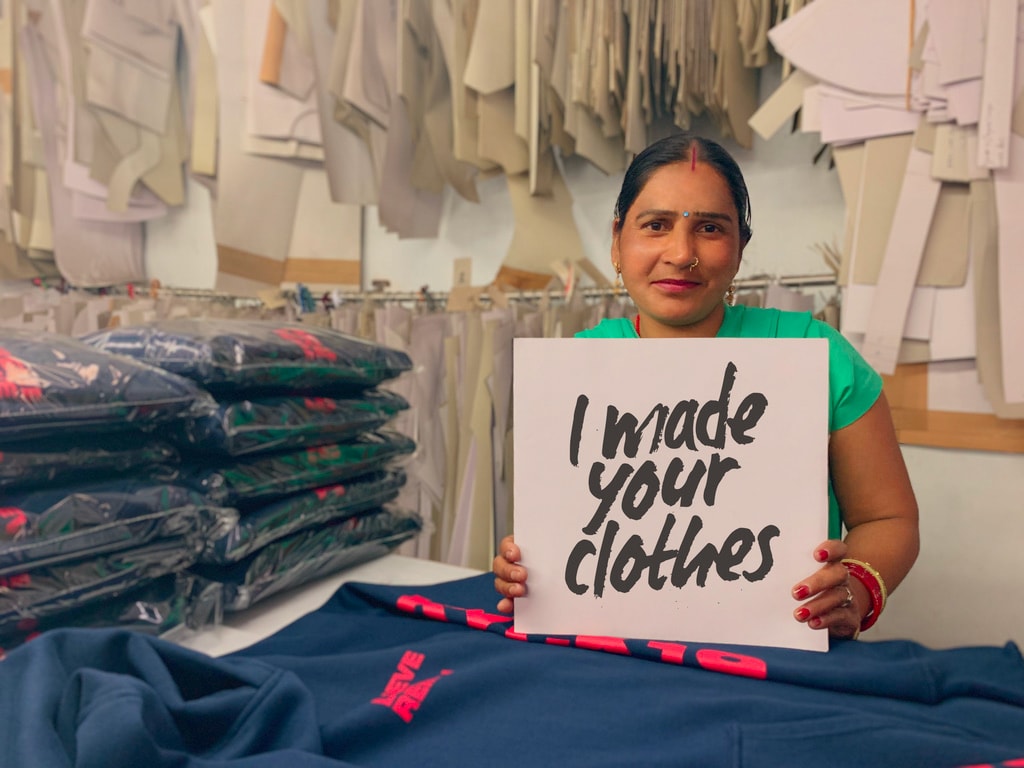
Ethical garment technicians stitching printed bamboo button-down shirts

Technical Sourcing & B2B OEM Direct Mill · Ludhiana, India

Printed Bamboo Shirts Manufacturing Guide: Fabric Science, Digital Reactive Printing & Global OEM Sourcing Insights

An authority breakdown for global fashion buyers, private label brands, and apparel sourcing directors seeking high-gain information on custom printed bamboo viscose, bamboo lyocell, and organic cotton blends.

0Direct Export Authority
0Reactive Print Fastness
0Global Apparel Partners
0Guaranteed Max Shrinkage

Technical Intelligence

Deconstructing Printed Bamboo Shirts:
Fiber Chemistry, Weave Structures & Dimensional Integrity

Why premium brands are transitioning from conventional rayon and synthetic polyesters to regenerated bamboo cellulose for resort wear, casual button-downs, and luxury athleisure lines.

The global luxury apparel market is undergoing a structural pivot toward sustainable cellulosics that combine silk-like drape with natural bio-functional properties. At NG Apparels, operating out of our vertically integrated mill hub in Ludhiana, India since 1981, we have engineered custom Printed Bamboo Shirts for over 2,400 global brands. Understanding how bamboo pulp transitions into high-tensile woven and knitted fabrics—and how reactive chemistry binds pigments to the fiber substrate—is essential for procurement executives evaluated on product longevity, hand-feel, and return rates.

Bamboo fiber derived from Phyllostachys edulis features a unique micro-porous cross-section. These micro-gaps create high capillary action, granting the fabric a moisture absorption rate 3 to 4 times higher than standard long-staple cotton. When converted into yarn (typically ranging from 30s compact to 60s micro-denier combed counts), bamboo exhibits natural thermal regulation, cooling the wearer’s micro-climate by 1 to 2 degrees Celsius in warm, humid conditions. Furthermore, the inherent bio-agent traditionally known as "Bamboo Kun" provides natural resistance against odor-causing bacteria, making printed bamboo shirts an exceptional choice for resort, casual, and golfwear collections.

Fabric Construction Blend Weight (GSM) Weave / Knit Structure Ideal Garment Application Key Technical Advantage
100% Bamboo Viscose 115 – 135 GSM Plain Weave / Poplin (60s x 60s) Resort Camp Collar & Hawaiian Shirts Maximum silk-like luster, fluid drape, cool skin-touch
70% Bamboo / 30% Organic Cotton 140 – 165 GSM Twill or Fine Oxford Weave Structure Business-Casual & Urban Shirts Enhanced tensile strength, crisp collar structure, easy-iron
95% Bamboo Viscose / 5% Elastane 170 – 210 GSM Single Jersey / Interlock Knit Athleisure Printed Tees & Knit Polos 4-way stretch recovery, high shape retention, zero restrictiveness
50% Bamboo / 50% Flax Linen 130 – 150 GSM Slub Woven Texture Heritage & Luxury Eco-Casual Shirts Breathable textured hand-feel with reduced linen stiffness

Engineering Precision

Mitigating Fiber Flaws: Shrinkage Control & Bio-Polishing

Raw bamboo cellulosic fibers present distinct mechanical challenges: low wet-tensile strength and a propensity for micro-fibril pilling if improperly processed during wet finishing.

To deliver export-grade stability that withstands commercial laundry cycles without dimensional distortion, NG Apparels implements a proprietary multi-stage wet processing protocol:

  • Mercerization under Tension: Neutralizes internal fiber stress, enhancing dye uptake by up to 25% while stabilizing widthwise shrinkage.
  • Acid Cellulase Bio-Polishing: Clears protruding surface micro-fibrils, preventing fuzziness and guaranteeing that detailed digital prints maintain razor-sharp line definition after repeated washing.
  • Zero-Zero Sanforization: Mechanical pre-shrinking locks dimensional movement to under 3% (ISO 6330 standards), eliminating the sleeve and torso shortening common in uncalibrated offshore shipments.
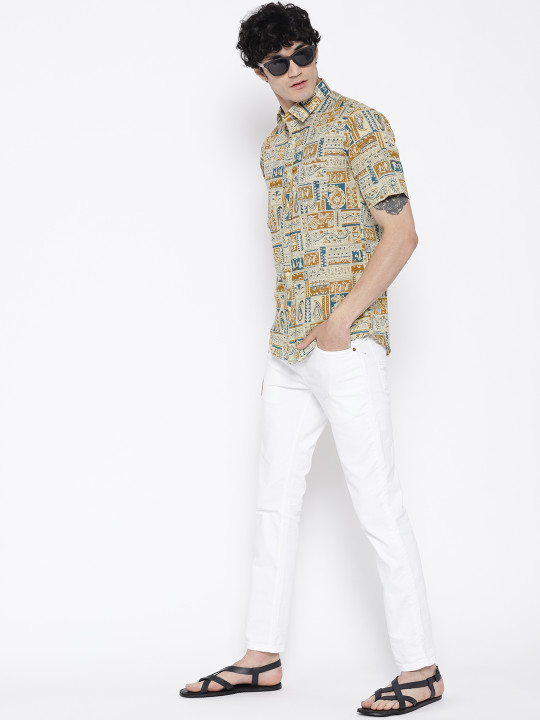
Custom printed bamboo shirt featuring detailed reactive digital artwork

Print Masterclass

Reactive Digital Inkjet vs. Screen Printing
Chemistry, Color Fastness & Hand-Feel

Why pigment printing fails on luxury bamboo textiles and how covalent dye-bonding yields vibrant, wash-durable prints without altering the fabric's natural softness.

1. High-Definition Reactive Digital Printing

Unlike polyester sublimation—which relies on disperse dyes melting into synthetic plastic matrices—natural bamboo viscose requires monofunctional and bifunctional reactive dyes. In our high-speed digital printing suite, water-based reactive inks are applied directly to pre-padded bamboo fabric. The fabric then enters a high-pressure continuous loop steamer at 102°C–105°C for 8 to 12 minutes.

During steaming, a chemical covalent bond forms between the reactive dye molecule (vinyl sulfone or chlorotriazine group) and the hydroxyl (-OH) groups of the bamboo cellulose chain. The dye becomes an integral part of the fiber itself. The result is zero surface film thickness, absolute breathability, and wet/dry rubbing color fastness rated at Grade 4-5 (ISO 105-X12).
2. Rotary & Flatbed Screen Printing for High Volume

For large-scale volume orders exceeding 2,000 meters per colorway, rotary screen printing offers unmatched cost efficiency. NG Apparels utilizes GOTS-approved water-based discharge inks and high-mesh screens (up to 135 mesh counts) to execute intricate tropical prints, micro-geometric patterns, and dark-ground motifs.

By employing eco-friendly binder systems free of heavy metals, phthalates, and formaldehyde, we achieve a ultra-soft hand-feel that matches the underlying bamboo substrate. Every print lot undergoes rigorous AATCC color wash testing before cutting and stitching commence.

Curated B2B Catalog

High-Gain Product Recommendations
Designed for Global OEM / ODM Private Labels

Production-ready silhouettes, custom pattern blocks, and proven fabric constructions ready for your brand’s tech pack and artwork integration.

Resort style Hawaiian printed bamboo shirt manufactured in India
Tropical Resort Bamboo Shirt125 GSM Woven · Camp Collar · Reactive Digital
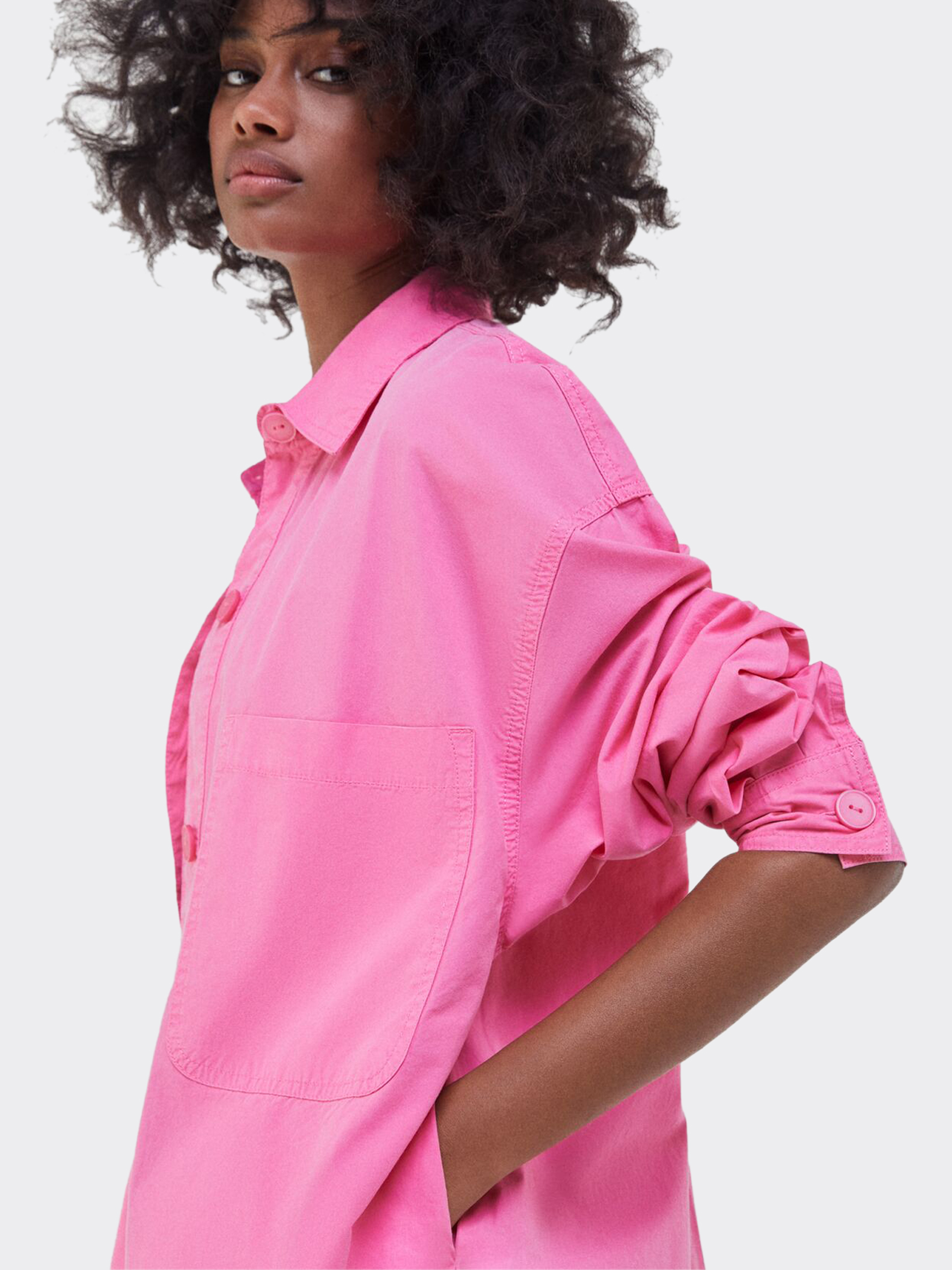
Women's custom printed bamboo blouse supplier India
Women’s Printed Bamboo BlouseFluid Drape · Eco-Friendly Dyes
Sustainable bamboo organic cotton blend casual shirt
Bamboo-Cotton Casual Shirt155 GSM Twill · Structural Strength
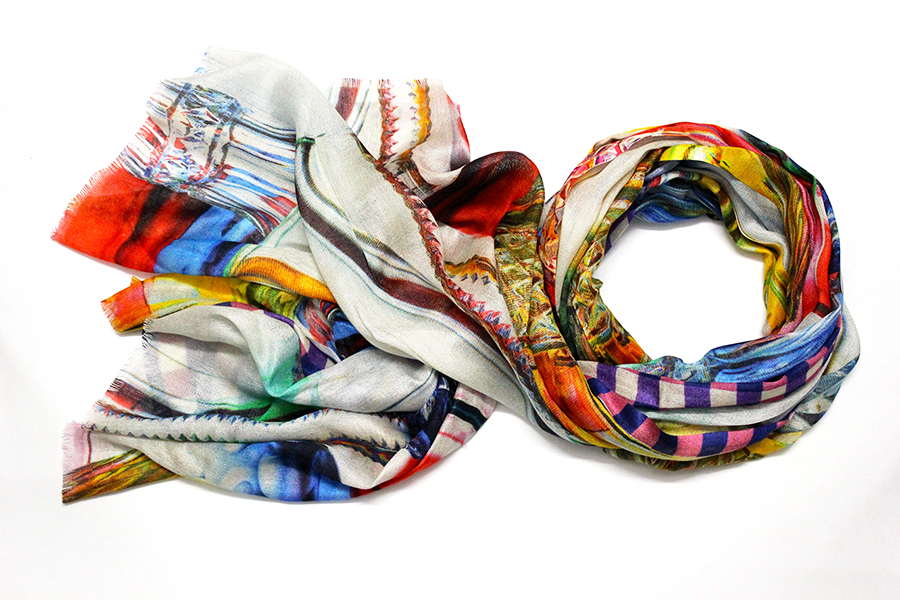
Custom printed bamboo fashion accessories and scarves
Bamboo Accessories & ScarvesUltra-Soft · Zero-Waste Edges

Market Forecast

Future Sourcing & Tech Trends
In Printed Bamboo Apparel (2025–2030)

How changing environmental regulations, material science breakthroughs, and digital traceability are transforming B2B garment procurement.

01

Transition to Closed-Loop Bamboo Lyocell (Monocel)

While traditional bamboo viscose uses chemical digestion, the global apparel industry is rapidly adopting Bamboo Lyocell. Utilizing N-Methylmorpholine N-oxide (NMMO) as a non-toxic organic solvent, 99.7% of the processing chemicals and water are recovered and recycled in a closed-loop system. Procurement managers who specify Bamboo Lyocell for printed shirt lines stay ahead of upcoming EU Digital Product Passport (DPP) standards and strict micro-pollution mandates.

02

Waterless & Low-Liquor Digital Reactive Printing

Water conservation is now a primary KPI for apparel brands. Modern digital inkjet printers equipped with drop-on-demand piezo printheads reduce water consumption by up to 70% compared to traditional flatbed printing. By pairing low-liquor padding processes with eco-friendly enzyme washes, NG Apparels offers brands verifiable water-reduction data for their ESG disclosures.

03

AI-Driven Micro-Batch Pattern Optimization

Overproduction remains the single largest financial drain in apparel retail. Brands are replacing monolithic 5,000-piece orders with agile micro-batches (300 to 500 pieces per print story). Utilizing CAD pattern nesting software driven by layout algorithms, NG Apparels minimizes fabric cutting waste to under 4%, lowering per-unit production costs for high-detail printed bamboo shirts.

04

Bio-Based & Non-Toxic Performance Finishes

Consumers demand high performance without chemical residue. Future bamboo apparel will incorporate plant-based water repellency (PFC-free fluorocarbon substitutes derived from plant waxes) and natural peppermint oil-based antimicrobial finishes. These bio-finishes preserve the organic integrity of bamboo shirts while adding functional stain and odor shield properties.

Procurement Intelligence

Frequently Asked Questions
By Global Apparel Sourcing & QA Teams

Answers to key technical, logistical, and compliance questions asked by B2B buyers evaluating offshore bamboo shirt manufacturing.

From a textile chemistry standpoint, both Bamboo Viscose and Bamboo Rayon describe cellulose extracted from bamboo stalks through a sodium hydroxide and carbon disulfide dissolution process. They produce identical silk-like hand-feels, exceptionally vivid reactive print absorption, and liquid drape ideal for resort shirting.

Bamboo Lyocell (such as Monocel), on the other hand, utilizes a closed-loop organic solvent process (NMMO). It offers superior dry and wet tensile strength, higher abrasion resistance, and reduced environmental footprint. NG Apparels mills and prints both fabric classes based on target retail price points and sustainable compliance requirements.

To eliminate shrinkage, our woven bamboo fabrics undergo mechanical Sanforization and steam calendering, locking dimensional movement to under 3% after commercial home laundering (ISO 6330). Pilling is prevented by utilizing high-twist compact ring-spun yarns combined with an acid cellulase enzyme bio-polishing wash that removes loose surface micro-fibrils before printing.

Print fading is mitigated by executing true reactive digital printing with high-temperature steam aging at 102°C. This process forces dye molecules into covalent chemical bonds with the cellulose polymer chains, achieving Grade 4-5 color fastness to washing, light, and rubbing (ISO 105 standards).

Our standard production MOQ is 300 pieces per style/print pattern, which can be split across standard size runs (XS through 3XL). If your design uses stock-supported bamboo ground fabrics, smaller test runs can be reviewed.

Typical lead times are structured as follows: 1 week for tech pack review and digital print lab-dip/strike-off matching; 2 weeks for full physical prototype sample sign-off; and 4 to 6 weeks for bulk fabric printing, cutting, precision stitching, final AQL inspection, and export packing.

We source raw bamboo pulp exclusively from responsibly managed, FSC-certified forests. All processing chemistry—including scouring agents, reactive dyestuffs, and finishing softeners—is certified under OEKO-TEX Standard 100 (Class I for direct skin contact) and complies with REACH regulations (zero toxic AZO dyes, heavy metals, or phthalates).

For organic cotton-bamboo blended shirts, full GOTS transaction certificates (TCs) are provided for every batch, detailing the origin and audit chain from fiber to finished apparel package.

Yes. Our color laboratory utilizes spectrophotometer color measurement combined with RIP (Raster Image Processor) color management software specifically calibrated for regenerated cellulosics. We achieve a Delta E (ΔE) color accuracy rating of less than 1.0 against Pantone Fashion, Home + Interiors (TCX/TPG) standards.

Physical strike-offs on actual bamboo substrate are dispatched via express courier for brand approval prior to running bulk digital print production.

NG Apparels operates as an in-house manufacturer and direct export house without sourcing agents or third-party sub-contractors. All digital print files, artwork vectors, CAD patterns, and proprietary tech packs are stored on encrypted, access-controlled internal servers under a strict non-disclosure agreement (NDA).

Your designs are never shared, displayed to other clients, or circulated to unvetted third-party factories. Patterns remain archived strictly under your brand account for rapid seasonal re-orders.

Factory Expertise

Why Global Brands Trust
NG Apparels as Their Direct Indian Mill Partner

45 years of continuous family-owned manufacturing operations in Ludhiana, Punjab — providing complete supply chain transparency with zero broker markups.

Unlike sourcing agents who trade quotes across unverified job shops, NG Apparels owns and operates the end-to-end production ecosystem. From yarn sourcing and circular/woven fabric development to custom reactive printing, computerized pattern grading, and door-to-door freight forwarding, your product remains under one accountable roof.

Direct Mill Ownership

No middleman margins, no miscommunication. You converse directly with textile engineers and master pattern makers.

AQL 1.5 / 2.5 Quality Standards

Every bulk shipment undergoes inline, mid-line, and final AQL statistical sampling inspections, accompanied by full lab reports.

NG Apparels state of the art garment manufacturing facility in Ludhiana India

Global Footprint

Manufacturing Partner to
Leading Fashion Retailers & Private Labels

Exporting certified bamboo apparel and custom knit/woven lines to over 30 countries across North America, Europe, Australia, and the Middle East.

New Balance
Burlington
Nordstrom
Carrefour
Bulforio
Honour

Ready to Launch Your Printed Bamboo Line?

Request Your Fabric Swatches &
OEM Production Costing Today

Share your tech pack, print vector files, and projected quantities. Our merchandising engineering team will analyze feasibility and issue a comprehensive quote within 24 hours.

  • Free digital print strike-off with qualifying orders
  • Custom woven labels, hangtags & eco polybags
  • DDP / FOB / CIF worldwide door-to-door freight
  • Strict NDA protection for all proprietary designs
Send an Inquiry