NG Apparels — clothing manufacturer India logo
Our Story +
Products +
Ethical Manufacturing
Resource +
FAQs Contact Us

Blog

10 Tips for Buying Fluffy Fleece Jackets Wholesale?

10 Tips for Buying Fluffy Fleece Jackets Wholesale?

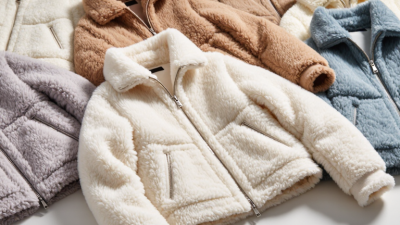
Fluffy Fleece Jackets can look soft and premium in a product photo, yet wholesale success depends on details the image cannot show. Buyers need to examine pile density, backing, seam strength, fit, and color consistency. Small differences matter. A jacket that feels plush on the sample may arrive thinner across the bulk order. That risk deserves attention. Material choices also sit within a changing textile market. Textile Exchange’s Materials Market Report 2024 estimates that global fiber production reached 124 million tonnes in 2023, with polyester accounting for about 57%. This is useful context, not proof that every fleece jacket performs alike. Fiber content alone cannot confirm warmth, durability, or hand feel. Buyers should request fabric specifications and test physical samples before approving production. This guide outlines ten practical checks for sourcing Fluffy Fleece Jackets wholesale, from supplier verification and minimum order quantities to sample review, quality control, and shipping plans. Ask for measurable details, including fabric weight, composition, size tolerances, and care instructions. Compare the quoted price with the full landed cost. A low unit price can hide expensive surprises. Real orders are messier than checklists suggest, and even careful buyers can miss something. Use the tips as a working framework, then verify each important claim with documents, samples, and clear written terms.
Read more »
Elara By:Elara - November 4, 2026
10 Best Custom Baby Clothing Manufacturers for Global Buyers

10 Best Custom Baby Clothing Manufacturers for Global Buyers

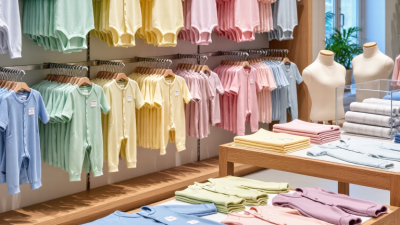
Global buyers need more than attractive prints when sourcing infant apparel across borders. They must assess fabric feel, stitching consistency, sizing, production capacity, and communication before placing an order. A soft cotton romper can look excellent in a catalog yet feel rough after repeated washing. Small details matter. Neck openings, snap placement, seam finishing, and label position all affect daily use. Buyers should compare wash-care instructions, colorfastness evidence, size grading, and packaging options alongside quoted prices. A clear sample approval process can reduce surprises, though it cannot replace checks on bulk production. This guide presents manufacturers suited to different business needs. Some support private-label collections; others may offer more design flexibility or lower-volume options. The right fit depends on target market, budget, order size, lead time, and the buyer’s quality-control process. Ask for current samples. Request material specifications, production timelines, and clear details about minimum quantities before comparing quotations. For cross-border sourcing, confirm that product documentation and testing support match the destination market’s requirements. Capabilities can change, and a promising first conversation is not proof of consistent production. Check again. This overview of 10 Best Custom Baby Clothing Manufacturers for Global Buyers makes comparisons more focused. It also highlights questions worth asking before committing to a supplier. Custom Baby Clothing succeeds when careful design is matched with dependable manufacturing and honest verification.
Read more »
Clara By:Clara - October 30, 2026
7 Best Yoga Sports Bras for Wholesale Buyers

7 Best Yoga Sports Bras for Wholesale Buyers

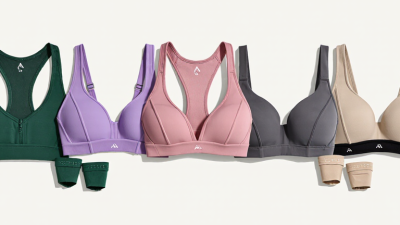
Choosing the right Yoga Sports Bras for wholesale requires more than comparing colors and factory prices. Buyers must examine support, comfort, fabric recovery, sizing accuracy, and production consistency. A bra that looks attractive on a product sheet may feel restrictive during deep stretches. Small details matter, including flat seams, wide underbands, breathable panels, and straps that stay secure without digging into the shoulders. This guide reviews seven strong options for wholesale buyers, based on practical purchasing factors and real product-use considerations. Each style should be assessed through samples, movement tests, and wash testing before a large order. Check whether removable cups remain flat after washing. Inspect stitching around the bust and armholes. Review size grading carefully, especially between medium and extended sizes. Supplier communication also matters. Clear measurements, reliable lead times, and consistent color matching can reduce avoidable inventory problems. There is no universal best choice. A lightweight, low-impact design may suit yoga studios but fail during high-intensity classes. A highly supportive style may sell well, yet feel too warm in humid climates. Even professional evaluations have limits because body shapes and customer preferences differ. Wholesale buyers should compare fabric content, minimum order quantities, packaging standards, and sample performance together. The strongest option is not always the cheapest one. It is the style that delivers dependable comfort, repeatable quality, and a realistic margin for the intended market.
Read more »
Clara By:Clara - October 25, 2026
How to Choose Sustainable Fleece Sweatshirts

How to Choose Sustainable Fleece Sweatshirts

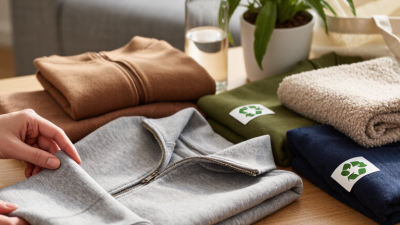
Choosing Sustainable Fleece Sweatshirts requires more than trusting a green label. The fabric may feel soft, yet its environmental story can be complicated. Recycled polyester can reduce reliance on new petroleum-based materials, but it still sheds tiny fibers during washing. Organic cotton blends offer another option, although they may change warmth, stretch, and drying time. Start with the garment’s fiber content and supply-chain evidence. Look for clear percentages, recycled-material claims, and recognized certifications such as Global Recycled Standard or OEKO-TEX. These labels do not make a sweatshirt impact-free. They can, however, provide useful verification when brands explain their standards openly. Check the stitching, cuffs, zipper, and inner fleece before buying. A sturdy sweatshirt that survives frequent wear may be more responsible than a cheaper item replaced each season. In practice, comfort and durability matter together. A dense fleece should resist early pilling around the elbows and under backpack straps. Wash it less often, use cold water, and avoid unnecessary tumble drying. A microfiber-catching laundry bag may help, though its effectiveness varies. Nothing is perfect here. Even careful shoppers face incomplete data, vague recycled claims, and confusing production details. I have sometimes chosen a well-made sweatshirt with limited information, then questioned that decision later. That uncertainty is worth acknowledging. The best choice balances verified materials, long-term wear, repairability, and honest brand communication. Sustainable Fleece Sweatshirts should support practical living, not create unrealistic promises.
Read more »
Elara By:Elara - October 15, 2026
Why Choose Water Repellent Fabrics for Global Sourcing?

Why Choose Water Repellent Fabrics for Global Sourcing?

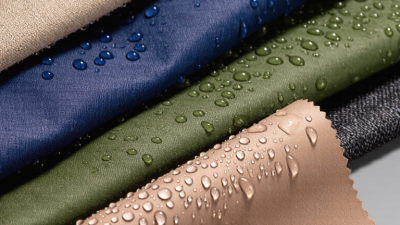
Global sourcing demands fabrics that perform reliably across changing climates, supply chains, and customer expectations. Water Repellent Fabrics help protect garments, bags, outdoor furniture, and workwear from light rain and accidental spills. Their treated surfaces encourage water to bead and roll away instead of soaking in immediately. This simple effect can improve comfort, appearance, and product durability during everyday use. It also creates practical value for brands serving regions with unpredictable weather. Still, water repellency is not the same as waterproofing. That distinction matters. Experienced sourcing teams examine more than a supplier’s product description. They review fiber composition, fabric weight, coating chemistry, abrasion resistance, colorfastness, and care instructions. Laboratory reports can confirm spray ratings, hydrostatic performance, and durability after washing. Sample testing remains essential. A fabric may perform well in a controlled test yet disappoint after repeated wear, folding, or exposure to detergent. We have seen this gap before. It deserves honest attention. Reliable suppliers should explain treatment methods, production capacity, minimum order quantities, and quality-control procedures. They should also provide consistent samples from different production batches. Regional climate, end use, and consumer habits influence the best fabric choice. A lightweight finish may suit travel jackets, while heavier construction may better serve outdoor covers. No single solution fits every market. Cost also requires careful judgment, because the lowest quote may create higher replacement expenses later. By comparing verified performance with realistic sourcing goals, buyers can choose Water Repellent Fabrics with greater confidence, fewer surprises, and stronger long-term value.
Read more »
Elara By:Elara - October 10, 2026
10 Tips for Buying Printed Bamboo Shirts?

10 Tips for Buying Printed Bamboo Shirts?

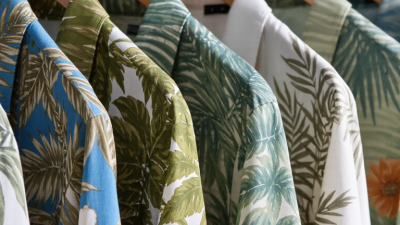
Buying Printed Bamboo Shirts can feel simple until the label, fabric blend, and printing process raise harder questions. Global fiber production reached 124 million tonnes in 2023, according to Textile Exchange’s Materials Market Report 2024. The report projects production may approach 160 million tonnes by 2030. That growth makes careful buying more important, not less. A bamboo label alone proves little. Check the fiber name. Rayon or viscose made from bamboo is not the same as mechanically processed bamboo fiber. The U.S. Federal Trade Commission requires accurate bamboo labeling and warns against unsupported environmental claims. Textile researcher Dr. Subhash Anand offers a useful caution: “Bamboo is not automatically sustainable; the process matters.” Buyers should therefore inspect fiber percentages, certification details, print durability, and supplier transparency. Look closely. The ten tips ahead focus on practical decisions. Feel the fabric after washing, not only under store lighting. Examine whether the print cracks around the elbows. Ask whether the ink is water-based, certified, or merely described as “eco-friendly.” OEKO-TEX Standard 100 can help assess harmful substances, while GOTS may support broader organic-textile claims when its scope applies. Still, no certification answers every question. A shirt may feel cool yet use a chemically intensive conversion process. It may carry a beautiful tropical print but fade after three washes. I cannot promise that every “green” claim is meaningful. That uncertainty deserves attention. The best purchase balances comfort, evidence, construction, and honest labeling—not marketing language alone.
Read more »
Elara By:Elara - October 5, 2026
Why Choose Custom Dirndl Dresses for Your Boutique?

Why Choose Custom Dirndl Dresses for Your Boutique?

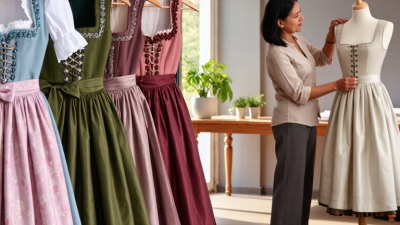
Why Choose Custom Dirndl Dresses for Your Boutique? A boutique succeeds when its clothing feels considered, not copied. Custom Dirndl Dresses can create that distinction through tailored silhouettes, exclusive fabrics, and details that reflect your customers’ lifestyles. A soft cotton bodice may suit summer festivals, while structured wool and subtle embroidery can support autumn collections. These choices make the product feel personal before the customer even tries it on. Michi Klemera, founder of the traditional fashion label AlpenHerz, expresses the design principle clearly: “A dirndl should show personality, not disguise it.” This idea matters for boutique buyers. Custom development allows you to adjust neckline depth, skirt length, apron placement, and size grading. It also gives your team more control over fabric testing, stitching quality, and comfort during movement. Practical experience matters here. A beautiful sample can still fail if the hooks pull, the waist feels rigid, or the colors change under store lighting. There is no effortless answer. Custom production may require higher minimum quantities, longer sampling periods, and careful supplier communication. Boutique owners should request material swatches, approve a fit sample, and confirm production standards before ordering. I have found that small measurements often create the strongest customer response. A two-centimeter adjustment can change confidence dramatically. Still, not every customization improves a dress. Some ideas look attractive on paper but feel uncomfortable in real wear. Thoughtful testing, honest feedback, and reliable craftsmanship help transform Custom Dirndl Dresses into a dependable boutique investment.
Read more »
Vivienne By:Vivienne - September 30, 2026
What Are GOTS Certified Organic Hoodies?

What Are GOTS Certified Organic Hoodies?

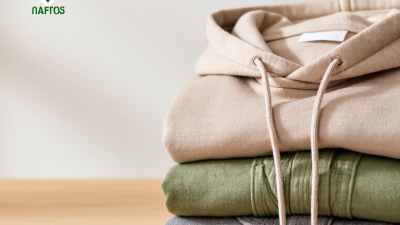
GOTS Certified Organic Hoodies are more than soft sweatshirts made from “natural” fibers. They represent a controlled textile chain, from certified organic cotton fields to spinning, dyeing, sewing, and labeling. The Global Organic Textile Standard requires at least 95% certified organic fibers for its “organic” grade. Its “made with organic” grade requires at least 70%. Approved chemical inputs, wastewater treatment, and social criteria also matter. The scale remains significant, yet limited. Textile Exchange’s Organic Cotton Market Report 2023 reported about 342,265 metric tonnes of organic cotton fiber production in 2021/22. That volume represented roughly 1.4% of global cotton production. The figure shows progress, but it also exposes a weakness. Organic cotton is not yet the industry default. Demand can grow faster than verified supply. Claudia Bross, a GOTS Director, describes the standard as “a holistic approach to sustainability.” Her statement reflects the certification’s wider purpose. A credible hoodie should include traceable fabric, certified processing facilities, and supporting transaction records. Details matter. Check the neck label, drawcords, ribbed cuffs, fleece backing, and printed graphics. Not every trim automatically shares the same certification status. The label is not magic. It does not prove perfect environmental performance or guarantee universal ethical behavior. Buyers should still examine supplier documents, product composition, and certification scope. This guide explains how GOTS Certified Organic Hoodies are assessed, what the label really confirms, and where careful judgment remains necessary.
Read more »
Clara By:Clara - September 21, 2026
How to Choose Insulated Ski Suits in 2026?

How to Choose Insulated Ski Suits in 2026?

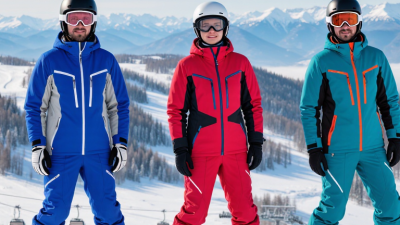
Choosing the right Insulated Ski Suits in 2026 requires more than comparing colors, prices, and online ratings. A warm-looking suit may still feel cold on a windy chairlift. Another may trap heat during a steep climb. The best choice depends on insulation type, weather protection, movement, and personal skiing habits. This guide focuses on practical details that matter outdoors. Check the insulation weight, waterproof rating, seam construction, hood adjustment, and ventilation zippers. Synthetic insulation often performs reliably in damp conditions, while down can offer excellent warmth with less weight when kept dry. A flexible fit should allow a base layer and mid-layer without pulling across the shoulders. Test the pockets with gloves on. Small details matter. Use manufacturer specifications, care labels, and credible independent reviews instead of trusting dramatic marketing claims. Experienced skiers should also consider changing weather, lift exposure, and activity level. Resort skiing, ski touring, and occasional family trips require different designs. There is no perfect suit for everyone. That is worth remembering. A fitting room cannot reproduce wind, wet snow, or six hours outside. I may overlook a feature that becomes important later, such as a powder skirt or two-way zipper. Therefore, compare real-use evidence carefully, and leave room for personal judgment. In 2026, the smartest purchase will balance warmth, breathability, durability, comfort, and responsible value rather than chasing the newest label.
Read more »
Elara By:Elara - September 21, 2026
What Are the Top Custom Medical Scrubs?

What Are the Top Custom Medical Scrubs?

Choosing the right Custom Medical Scrubs involves more than matching colors to a clinic’s logo. Healthcare teams need garments that support movement, comfort, hygiene routines, and professional confidence during long shifts. A scrub top may look polished in a product photo, yet feel restrictive after eight hours beside a patient bed. That gap matters. Surgeon and writer Atul Gawande offers a useful principle: “Better is possible.” This idea guides our review of leading Custom Medical Scrubs brands and manufacturers. We examine fabric breathability, stretch recovery, pocket placement, stitching, sizing accuracy, and customization options. We also consider how garments perform after repeated washing, because real clinical use is less forgiving than a showroom test. Small details count. Fit affects movement. Color affects team identity. Durability affects total cost. The best options should balance these needs without sacrificing comfort or safety. Still, no single scrub set suits every department. A pediatric nurse may value playful colors and flexible fabric, while a surgical professional may prioritize low-lint materials and a streamlined fit. Procurement managers may focus on consistency across sizes, delivery reliability, and embroidery quality. Our assessment is not absolute. Personal preference, climate, hospital policy, and laundering systems can change the result. Some premium fabrics also feel less impressive after months of wear. That is worth admitting. By comparing practical performance with design appeal, this guide helps healthcare professionals identify Custom Medical Scrubs that serve both people and demanding clinical routines.
Read more »
Elara By:Elara - September 21, 2026