NG Apparels — clothing manufacturer India logo
Our Story +
Products +
Ethical Manufacturing
Resource +
FAQs Contact Us
0%

Why Choose Custom Dirndl Dresses for Your Boutique?

A boutique succeeds when its clothing feels considered, not copied. Custom Dirndl Dresses can create that distinction through tailored silhouettes, exclusive fabrics, and details that reflect your customers’ lifestyles. A soft cotton bodice may suit summer festivals, while structured wool and subtle embroidery can support autumn collections. These choices make the product feel personal before the customer even tries it on.

Michi Klemera, founder of the traditional fashion label AlpenHerz, expresses the design principle clearly: “A dirndl should show personality, not disguise it.” This idea matters for boutique buyers. Custom development allows you to adjust neckline depth, skirt length, apron placement, and size grading. It also gives your team more control over fabric testing, stitching quality, and comfort during movement. Practical experience matters here. A beautiful sample can still fail if the hooks pull, the waist feels rigid, or the colors change under store lighting.

There is no effortless answer.

Custom production may require higher minimum quantities, longer sampling periods, and careful supplier communication. Boutique owners should request material swatches, approve a fit sample, and confirm production standards before ordering. I have found that small measurements often create the strongest customer response. A two-centimeter adjustment can change confidence dramatically. Still, not every customization improves a dress. Some ideas look attractive on paper but feel uncomfortable in real wear. Thoughtful testing, honest feedback, and reliable craftsmanship help transform Custom Dirndl Dresses into a dependable boutique investment.
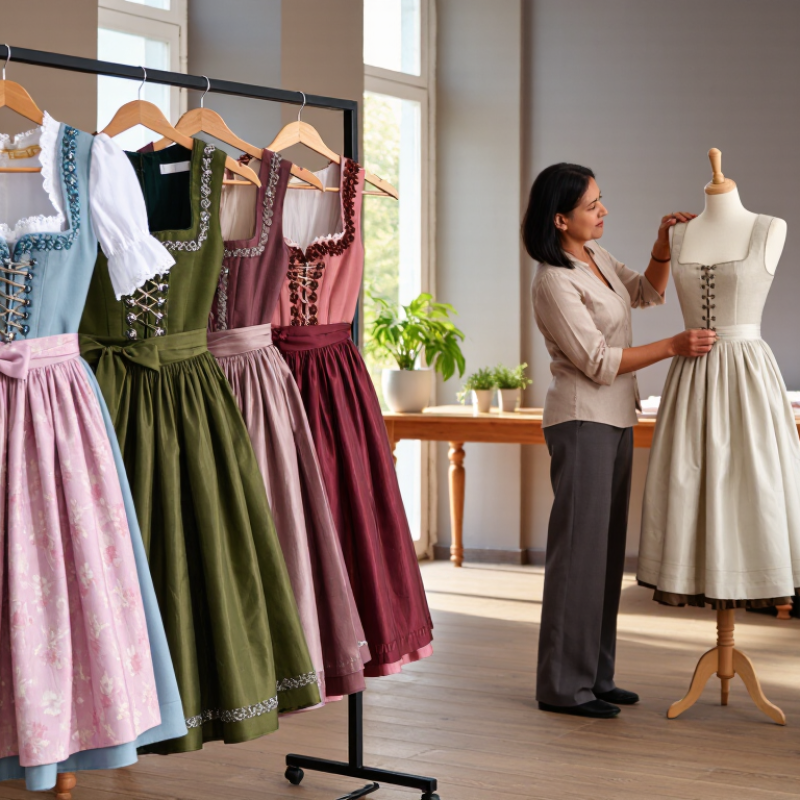
Why Choose Custom Dirndl Dresses for Your Boutique?

Understanding the Unique Appeal of Custom Dirndl Dresses

Custom dirndl dresses offer more than a traditional silhouette. They let boutiques shape a garment around local customers, seasonal events, and different body proportions. In practical fittings, small changes matter: a raised waist can improve comfort, while adjustable lacing helps accommodate natural movement. Fabric weight also changes the experience. A firm cotton bodice feels structured, while a lighter skirt moves easily during dancing.

Personalization has measurable commercial appeal. McKinsey’s 2021 Next in Personalization report found that 71% of consumers expect personalized interactions, while 76% feel frustrated when they do not receive them. Although the report covers retail broadly, its lesson applies to occasionwear. A custom dirndl can feel considered rather than generic. The Global Custom T-Shirt Printing Market report by Grand View Research valued that wider market at approximately $4.3 billion in 2022 and projected strong growth through 2030. Dirndls are a smaller category, but the direction is relevant.

Custom production also supports clearer boutique differentiation. Buyers can select neckline depth, apron length, embroidery placement, and practical pocket details. Yet customization is not magic. Poor measurements create discomfort, and too many options can confuse customers. A reliable boutique should use measurement records, fabric samples, and a documented fitting process. This takes time. It also builds trust. Some designs may need revision after real wear, especially around armholes and waist tension. That honest feedback can improve the next collection.

Key Design Options for Boutique-Specific Dirndl Collections

Custom dirndl dresses give boutiques a practical way to create a recognizable collection. More importantly, custom design lets buyers choose details that suit their local customers. A shorter bodice may fit younger shoppers, while a longer skirt can feel more traditional. Fabric weight matters too. Lightweight cotton works for summer events, while wool blends offer warmth and structure. In my experience, small fitting changes often improve repeat orders more than dramatic decoration.

Boutiques can adjust neckline shapes, apron lengths, sleeve volume, and pocket placement. Color stories should match the shop’s identity, but they should remain wearable beyond one festival season. Soft sage, deep burgundy, and cream can create a refined range without looking repetitive. Hardware, piping, and embroidery also deserve testing. A sample may look excellent in a sketch, yet feel heavy or scratchy in real wear. That gap needs honest review.

Tips: Request a physical sample before approving production. Test sitting, walking, and waist movement. Ask several body types to try it. Record pressure points and loose seams. Keep a measurement chart with clear tolerances. It prevents avoidable alterations. One detail I would reconsider is adding too much embroidery; it can raise cost and reduce comfort. A focused collection usually sells better when each detail has a clear purpose.

How Custom Dirndls Strengthen Brand Identity and Customer Appeal

Custom dirndl dresses give a boutique a recognizable visual language. Necklines, bodice colors, apron textures, and stitching can reflect the shop’s chosen mood. That consistency helps customers remember the collection after one visit. More importantly, it feels intentional rather than copied. Small details matter. A distinctive button, carefully placed trim, or local-inspired pattern can become part of the boutique’s visual signature.

Custom dirndls also improve the customer experience through thoughtful fit and practical design. Experienced fitters can adjust bodice support, skirt length, and pocket placement for different body shapes. Fit comes first. Quality fabric, secure seams, and clear care instructions strengthen customer trust. Boutique teams should record measurements, collect fitting feedback, and inspect each finished garment before delivery. These steps show professional responsibility, not just creative ambition.

The process is rarely perfect on the first attempt. A sample may feel too stiff, or an apron color may appear different under store lighting. Some decisions need revision. Honest review makes the final collection stronger. Customers often respond to clothing that feels personal, comfortable, and carefully made. When staff explain the fabric choices and fitting process clearly, shoppers gain confidence in both the dress and the boutique behind it.

Evaluating Quality, Fit, Materials, and Production Flexibility

Why Choose Custom Dirndl Dresses for Your Boutique?

Evaluating Quality, Fit, Materials, and Production Flexibility

Custom dirndl dresses give boutiques closer control over quality and customer experience. During fittings, small details become obvious. A firm bodice should support the torso without restricting breathing. Seams need even stitching, especially around the waist and neckline. I recommend checking fabric recovery after repeated stretching. A dress can look beautiful on a hanger and still feel uncomfortable after two hours.

Fit depends on more than standard size labels. Accurate measurements should include the bust, waist, hip, torso length, and shoulder position. A practical sample fitting can reveal pressure points near the lacing or armhole. Not every body follows a perfect chart. That matters. Allowing modest adjustments often prevents costly returns and unhappy customers. Still, excessive customization can slow production and complicate quality control.

Material selection affects appearance, durability, and care requirements. Cotton blends may offer easier maintenance, while natural fibers can provide a richer hand feel. Lining quality also matters; rough fabric can irritate the skin. Ask for fabric swatches and wash tests before approving bulk production. Production flexibility is another advantage of custom manufacturing. Boutiques can request seasonal colors, revised skirt lengths, or limited size runs. However, more options require clearer specifications. I have seen attractive designs fail because measurements, trim placement, or delivery expectations were left vague. Careful records and sample approval make the process more reliable.

Why Choose Custom Dirndl Dresses for Your Boutique?

This planning benchmark rates the main advantages of custom dirndl production on a 1–10 scale. Custom specifications can improve fit consistency, material selection, quality control, and production flexibility compared with relying only on standard-size stock.

Planning a Successful Custom Dirndl Order for Your Boutique

Why Choose Custom Dirndl Dresses for Your Boutique?

Planning a successful custom dirndl order starts with a clear product brief. Define the bodice shape, skirt length, apron width, neckline, fabric weight, and color palette. Include a measurement chart with waist, bust, and torso length. Small details matter. A sample size can reveal uncomfortable armholes or weak lacing before production begins.

Use sales evidence before choosing quantities. The National Retail Federation and Appriss Retail reported $743 billion in returned merchandise in the United States during 2023, equal to 14.5% of annual retail sales.

Custom sizing cannot remove every fitting risk. However, careful size grading, realistic photos, and a physical fitting sample can reduce avoidable problems. Leave room for alterations. That part is often underestimated.

Material planning also supports responsible buying. Textile Exchange’s Materials Market Report 2024 recorded 124 million tonnes of global fiber production in 2023. The report expects production to reach 160 million tonnes by 2030.

Ask suppliers about fiber content, colorfastness, shrinkage, and fabric availability before confirming your order. Request a pre-production sample and approve every measurement in writing.

Build a delivery buffer of several weeks. A perfect launch date is attractive, but rarely realistic. Small boutiques should test one or two designs first, then review sell-through, fitting comments, and return reasons before expanding the collection.

FAQS

How can custom dirndls create a recognizable boutique style?

Coordinate bodice colors, apron textures, necklines, and stitching. A distinctive button or local-inspired pattern can become a memorable detail.

Which fit details should a boutique check during a fitting?

Check bust, waist, hips, torso length, and shoulder position. Look for pressure near the lacing and armholes. The bodice should support without restricting breathing.

What quality checks help before delivery?

Inspect seams around the waist and neckline, test fabric recovery, and review lining comfort. Record measurements and fitting feedback for each garment.

How should a boutique choose materials?

Compare fabric swatches and wash-test them. Check fiber content, shrinkage, colorfastness, and availability. Rough lining can irritate skin, so feel it directly.

What should a custom order brief include?

Specify bodice shape, skirt length, apron width, neckline, fabric weight, colors, and measurements. Approve a physical sample and written specifications before production.

Can custom sizing prevent every return?

No. Accurate size grading, realistic photos, and a fitting sample can reduce avoidable problems, but some customers will still need alterations.

How can a boutique avoid ordering too many designs or sizes?

Start with one or two designs. Review sales, fitting comments, and return reasons before expanding. Small tests reveal useful details.

Why should boutiques leave extra production time?

Samples may need revisions, and fabric availability can change. A delivery buffer of several weeks helps, though timing can still be imperfect.

Conclusion

Custom Dirndl Dresses offer boutiques a distinctive way to present traditional-inspired fashion with a personalized, modern touch. Their unique appeal comes from the ability to select silhouettes, colors, trims, embroidery, aprons, and decorative details that reflect a boutique’s target customers and seasonal style. By creating a collection with carefully coordinated design elements, retailers can build a recognizable visual identity while giving shoppers garments that feel more exclusive and memorable.

A successful custom dirndl program also depends on practical decisions. Boutiques should evaluate fabric quality, construction, comfort, sizing, fit consistency, and the flexibility to adjust designs or order quantities. Clear communication about measurements, materials, samples, timelines, and production requirements helps reduce mistakes and support reliable delivery. With thoughtful planning, quality control, and designs suited to customer preferences, custom dirndl collections can strengthen brand appeal, improve the shopping experience, and create a more focused product offering for the boutique.


Vivienne

Vivienne

Vivienne is a dedicated marketing professional with a strong understanding of product strategy, customer needs, and market development. As a key contributor to the company’s content and communications efforts, she regularly updates the corporate blog with practical, well-researched articles that......