

NG Apparels — clothing manufacturer India logo
Our Story +
Products +
Ethical Manufacturing
Resource +
FAQs Contact Us
Technical fabric mill and water repellent fabric processing floor at NG Apparels Ludhiana India
Water repellent sportswear fabrics and activewear garments manufactured by NG Apparels
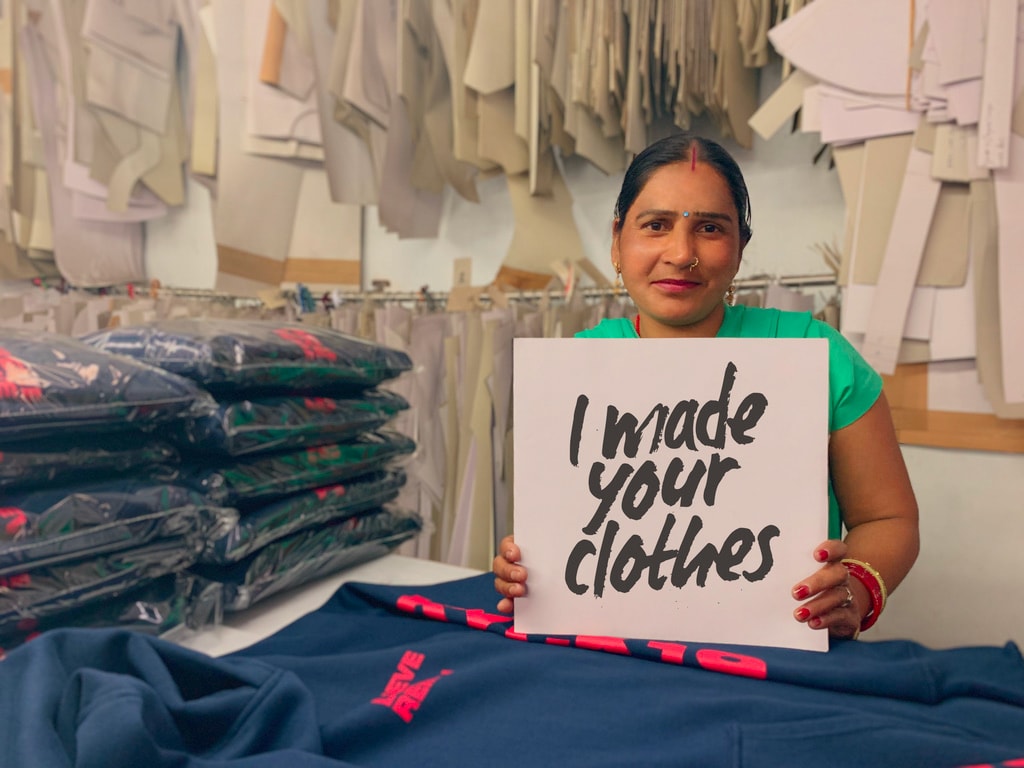
Ethical technical textile finishing and inspection at NG Apparels facility

Engineering Technical Textiles · Since 1981 · Ludhiana, India

High-Performance Water Repellent Fabrics Sourcing & Custom Mill Production.

Engineer PFC-free C0 DWR coatings, waterproof membrane laminates, and technical hydrophobic knits & wovens directly with our family-owned mill. Zero middleman markup, AATCC certified spray ratings, and door-to-door global export.

0PFC-Free C0 Options
0Hydrostatic Head
0Mill Experience
0AATCC Spray Rating

Vertically Integrated Textile Mill

45 Years of Master Craftsmanship in Water Repellent Fabrics & Functional Finishes.

Since 1981, NG Apparels has operated at the intersection of fiber science, advanced textile chemistry, and precision garment manufacturing in Ludhiana, India. As a three-generation family business, we knit, weave, dye, and apply durable water repellent (DWR) surface treatments under one unified quality management protocol.

Global procurement teams frequently struggle with inconsistent water repellency, delamination after washing, and hazardous chemical compliance. Because we handle raw yarn selection, warp/weft tension control, dip-pad-cure finishing, and lab testing in-house, your tech packs are translated directly into laboratory-verified performance goods. No third-party sourcing agents, no unverified subcontractors, and complete lot-level chemical traceability.

Our Mill Infrastructure
0Technical textile heritage in Ludhiana
0Wash-cycle DWR durability
0OEKO-TEX & REACH compliant
0Fluorocarbon (PFAS) in C0 DWR

Information Gain & Textile Engineering

Demystifying Technical Performance: How Water Repellent Fabrics Work.

Understanding the precise mechanics of surface tension, hydrophobic contact angles, and barrier lamination is vital for fashion directors, sourcing managers, and apparel developers seeking optimal performance.

01

Surface Tension & Contact Angle

Water repellency occurs when a fabric’s critical surface energy is lower than the surface tension of water (72.8 mN/m). By applying hydrophobic nano-emulsions, we alter the fiber surface so water droplets form a contact angle exceeding 90° to 150°, causing liquid to bead up and roll off instantly without wetting the substrate.
02

C6 Fluorocarbon vs. C0 PFC-Free Chemistry

While legacy C8 and short-chain C6 fluorocarbons offered oil and water repellency, global mandates (EU REACH, California AB 1817) restrict persistent perfluoroalkyl substances (PFAS). We specialize in C0 (fluorine-free) silicone, plant-based dendrimer, and paraffin wax formulations that deliver 100/100 AATCC spray ratings with zero environmental persistence.

03

DWR Finish vs. Membrane Lamination

Durable Water Repellent (DWR) is a chemical surface finish that preserves breathability by keeping air pores open between yarns. For stormproof performance, we combine C0 DWR face treatment with 2-layer (2L) or 3-layer (3L) breathable TPU/ePTFE microporous membrane laminations offering up to 20,000mm hydrostatic head rating.

04

Breathability: MVTR vs. RET Ratings

True functional outerwear must allow internal metabolic vapor to escape while shedding exterior rain. We engineer custom water repellent fabrics with Moisture Vapor Transmission Rates (MVTR) exceeding 15,000 g/m²/24h and Resistance to Evaporative Heat Transfer (RET) under 6 m²Pa/W for ultra-breathable high-exertion apparel.

05

Yarn-Level vs. Fabric-Level Treatment

Piece-dye padding treats the finished fabric surface, whereas solution-dyed or yarn-treated hydrophobic processing coats individual fibers prior to knitting or weaving. Yarn-level nano-treatment provides vastly superior wash durability, abrasion tolerance, and hand-feel consistency across heavy laundering cycles.

06

Standardized Quality Testing Standards

Every bulk production lot undergoes in-house testing under international standards: AATCC 22 / ISO 4920 (Spray Wetting Test), AATCC 127 / ISO 811 (Hydrostatic Pressure), ASTM E96 (Water Vapor Transmission), and ISO 6330 (Accelerated Home Laundering Durability).

Custom B2B Product Catalog

Engineered Water Repellent Fabrics & Apparel Applications.

Explore our custom mill capabilities. Each fabric construction is built to target GSM, density, color fastness, and hydrophobic performance standards.

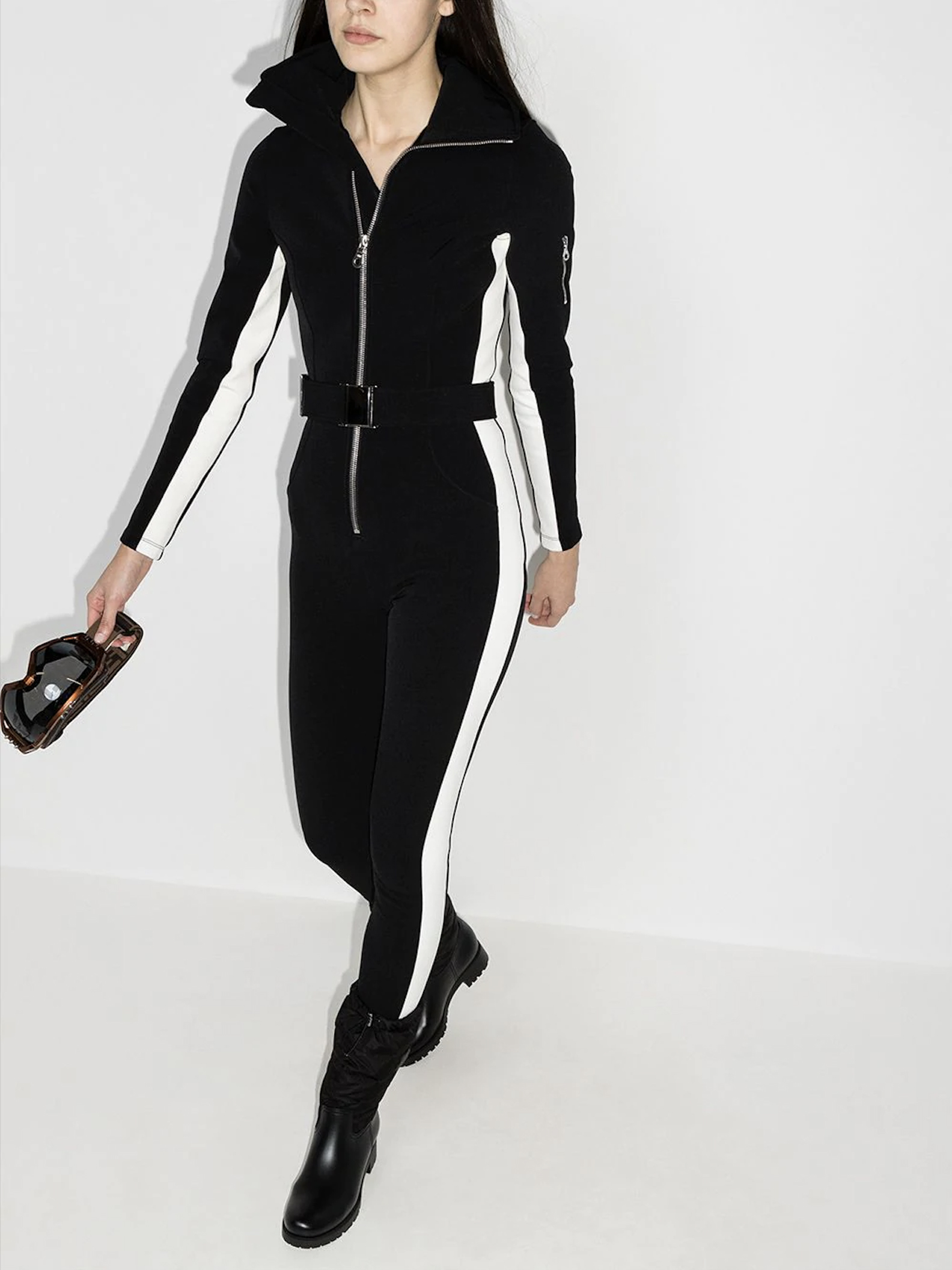
Technical water repellent ski suit and outerwear fabric manufactured by NG Apparels
Technical Ripstop & Outerwear Shells3L Laminated · C0 DWR · 20,000mm Hydrostatic Head
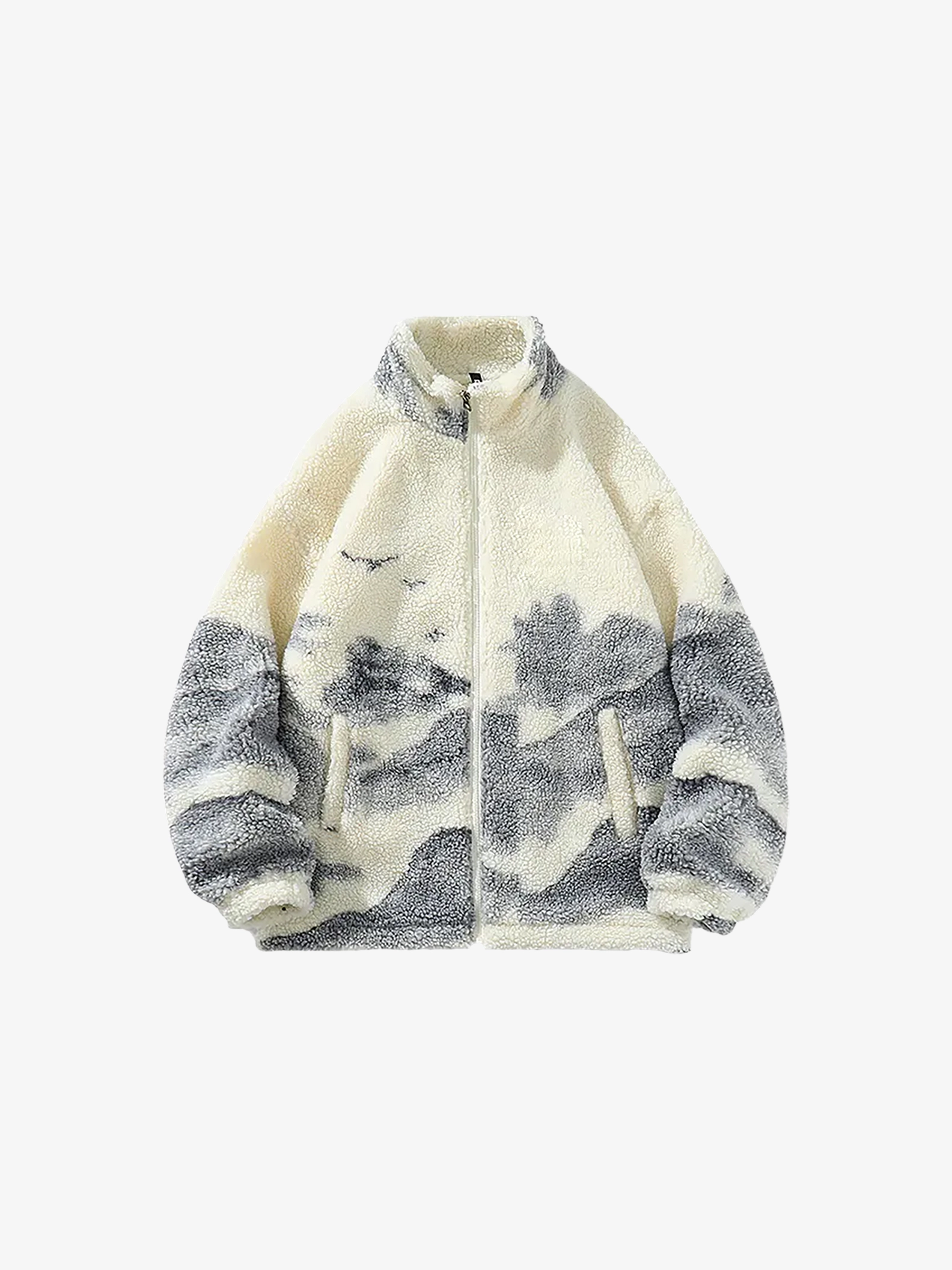
Hydrophobic thermal fleece jacket fabric manufactured in India
Hydrophobic Fluffy Fleece320 GSM · DWR Face Treatment · Thermal Insulation
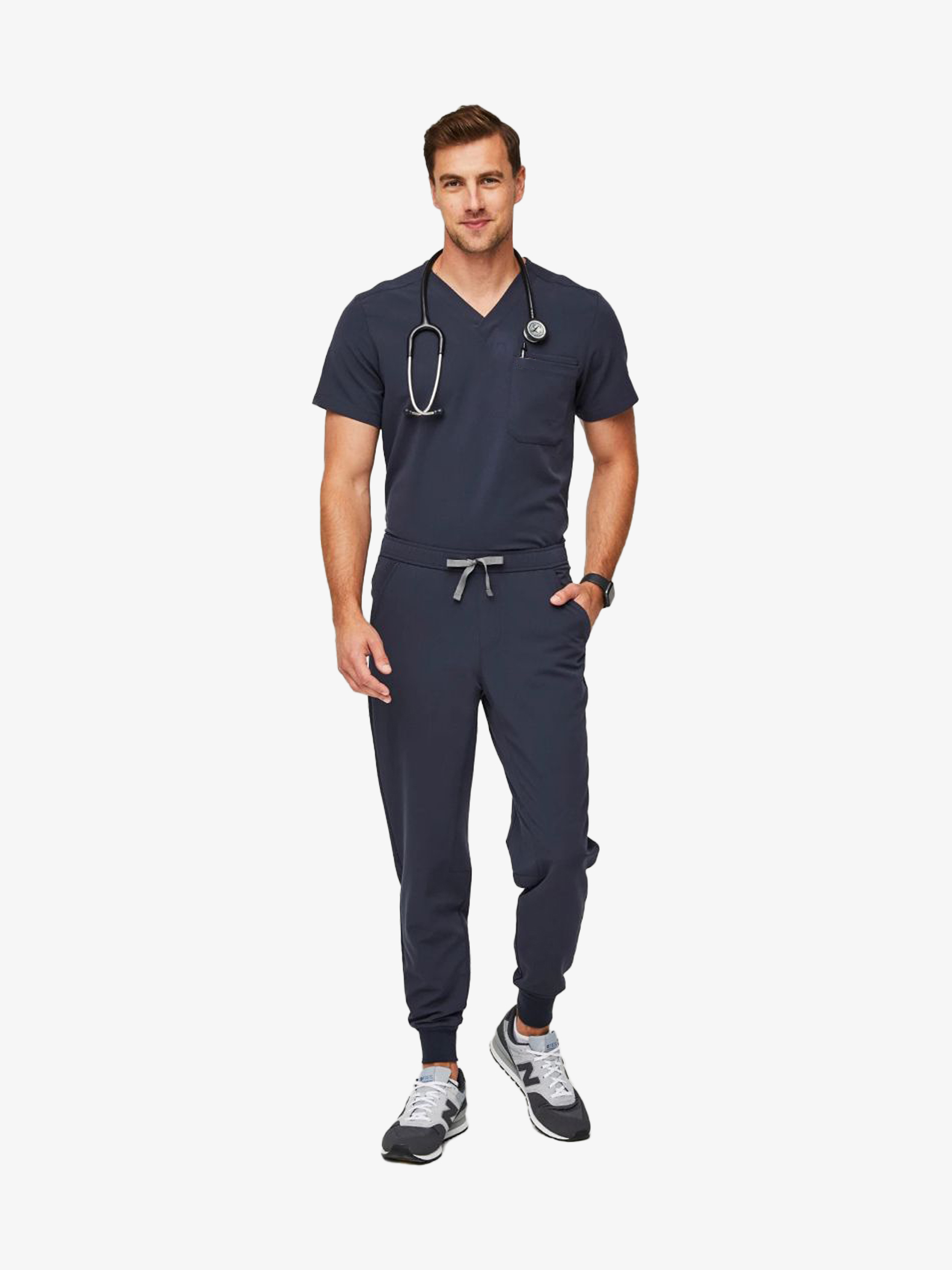
Water repellent and fluid barrier medical scrub fabric manufactured in India
Fluid-Barrier Medical ScrubsAntimicrobial · Water & Blood Repellent · Poly-Cotton
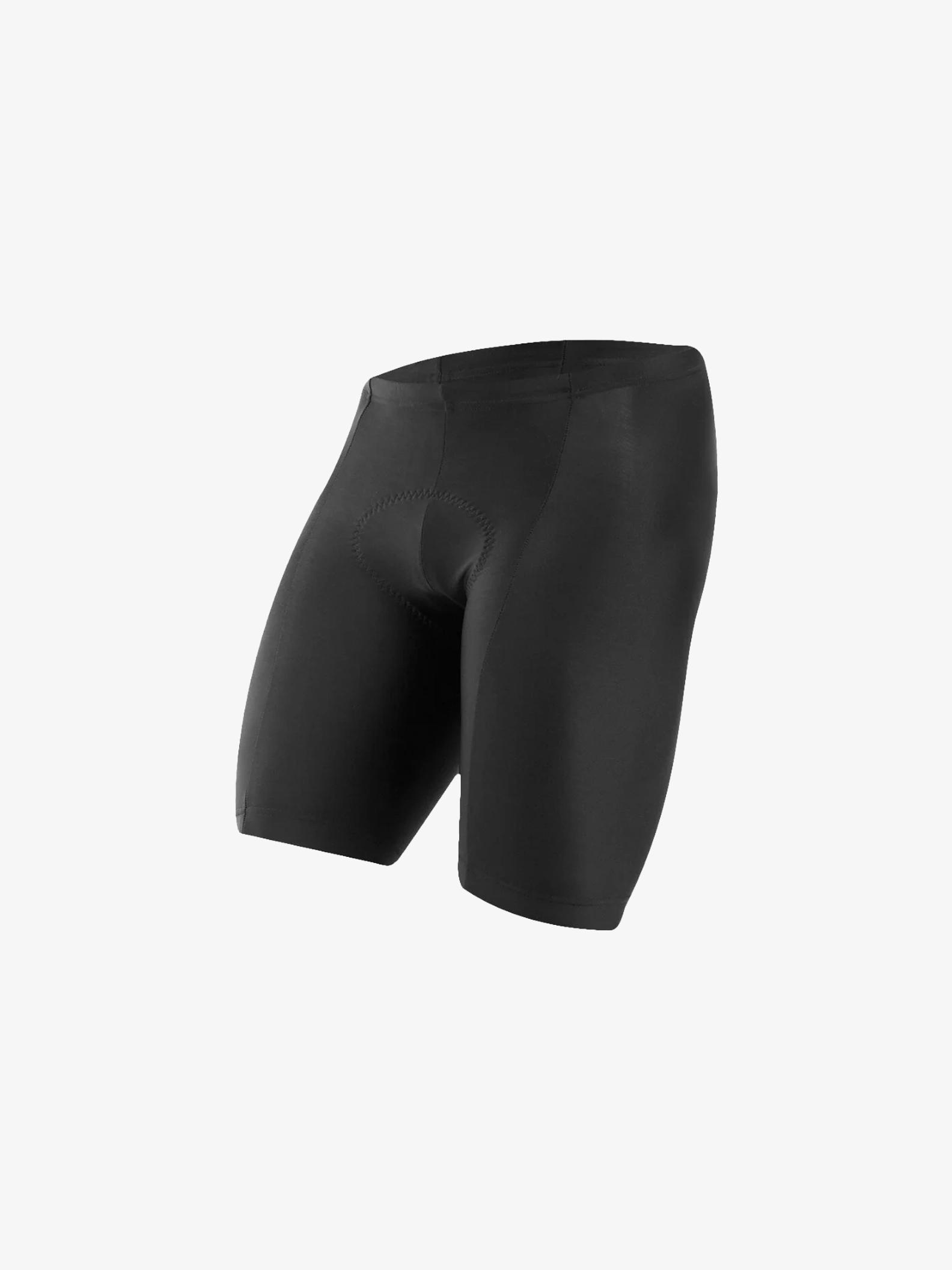
Water repellent padded cycling shorts fabric activewear manufacturing
Weatherproof Cycling & Athletic Stretch4-Way Stretch · DWR Treated Nylon Spandex
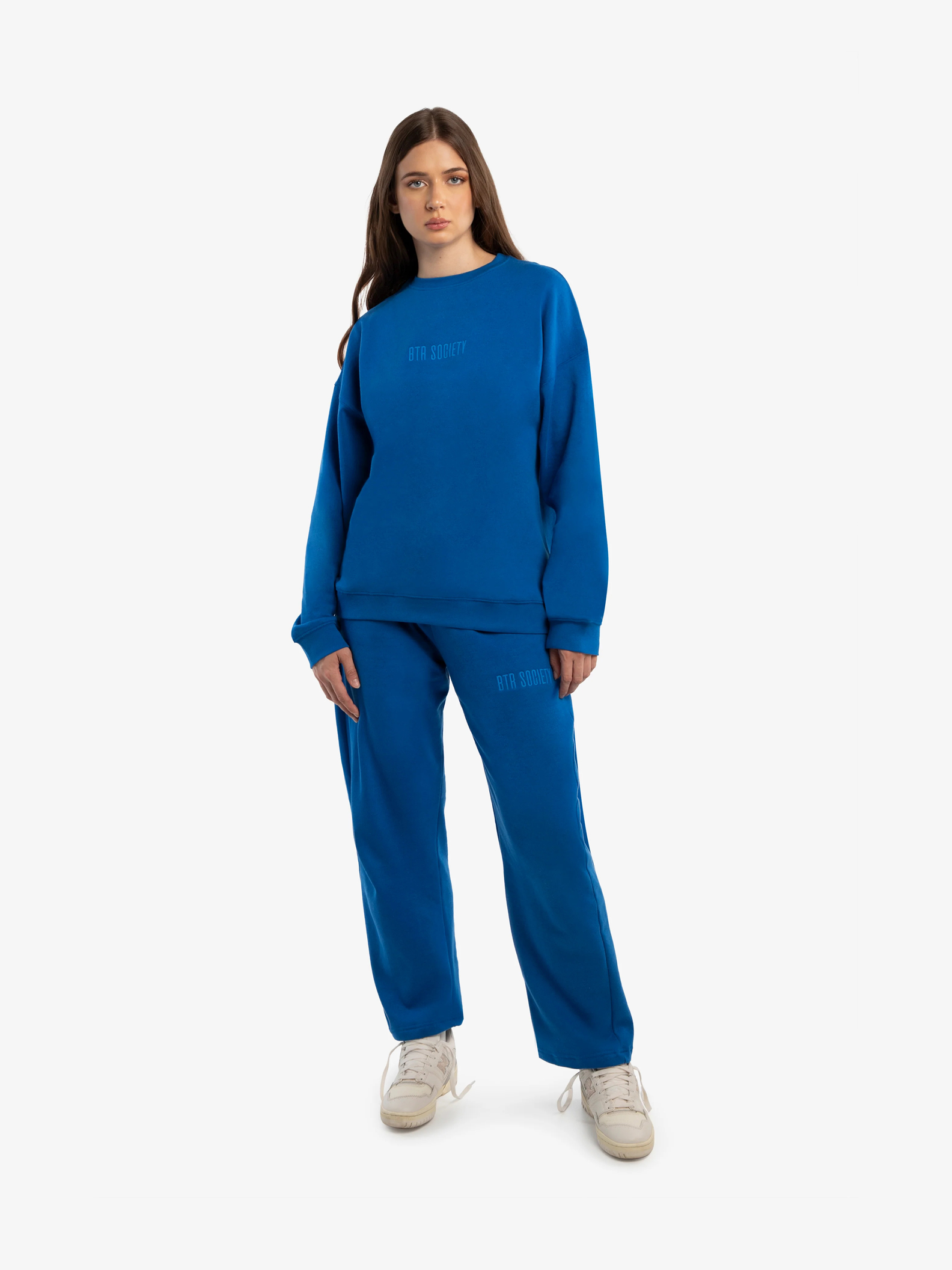
GOTS organic cotton water repellent fleece sweatshirt fabric
Eco-Friendly Organic Cotton FleeceGOTS Certified · Bio-Based C0 Water Repellency
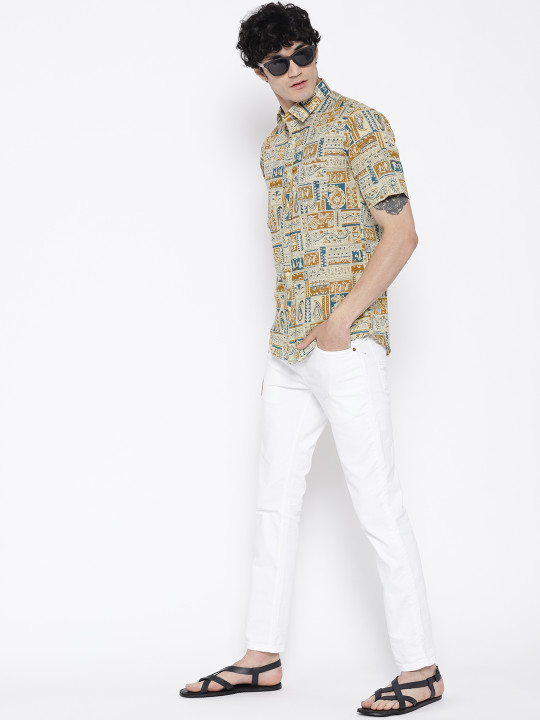
Printed bamboo viscose water repellent shirting fabric
Hydrophobic Bamboo ShirtingViscose Bamboo · Stain & Water Resistant Finish
Industrial workwear heavy canvas water repellent fabric
Heavy Industrial Workwear CanvasHigh Abrasion Resistance · Oil & Water Repellent
Quick dry hydrophobic stretch fabric for swimwear
Quick-Dry Hydrophobic SwimwearChlorine Resistant · Hydrophobic Fast-Dry Finish
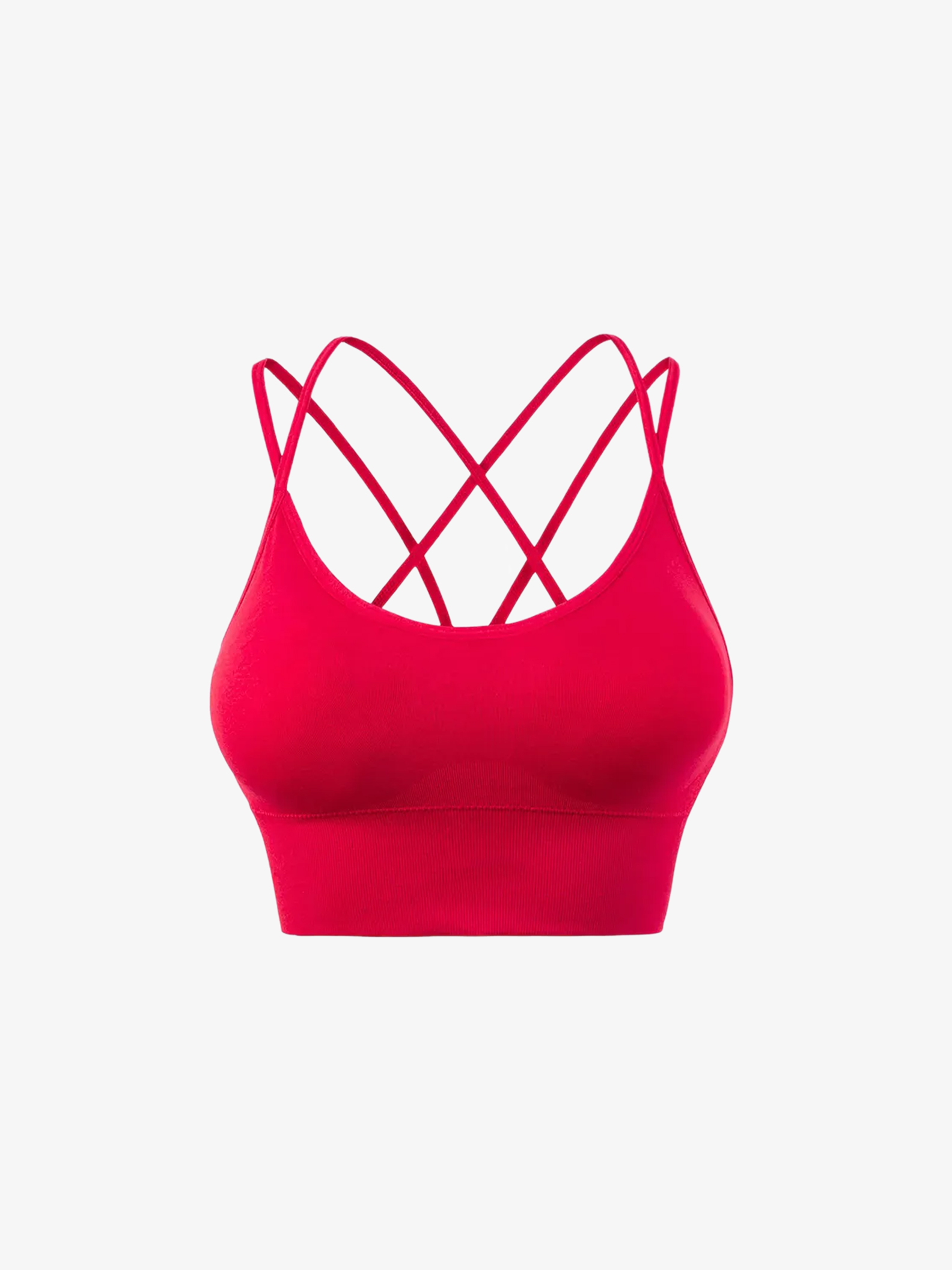
Water repellent activewear sports bra fabric
Moisture-Managing Activewear KnitsHydrophobic Outer · Wicking Inner Structure
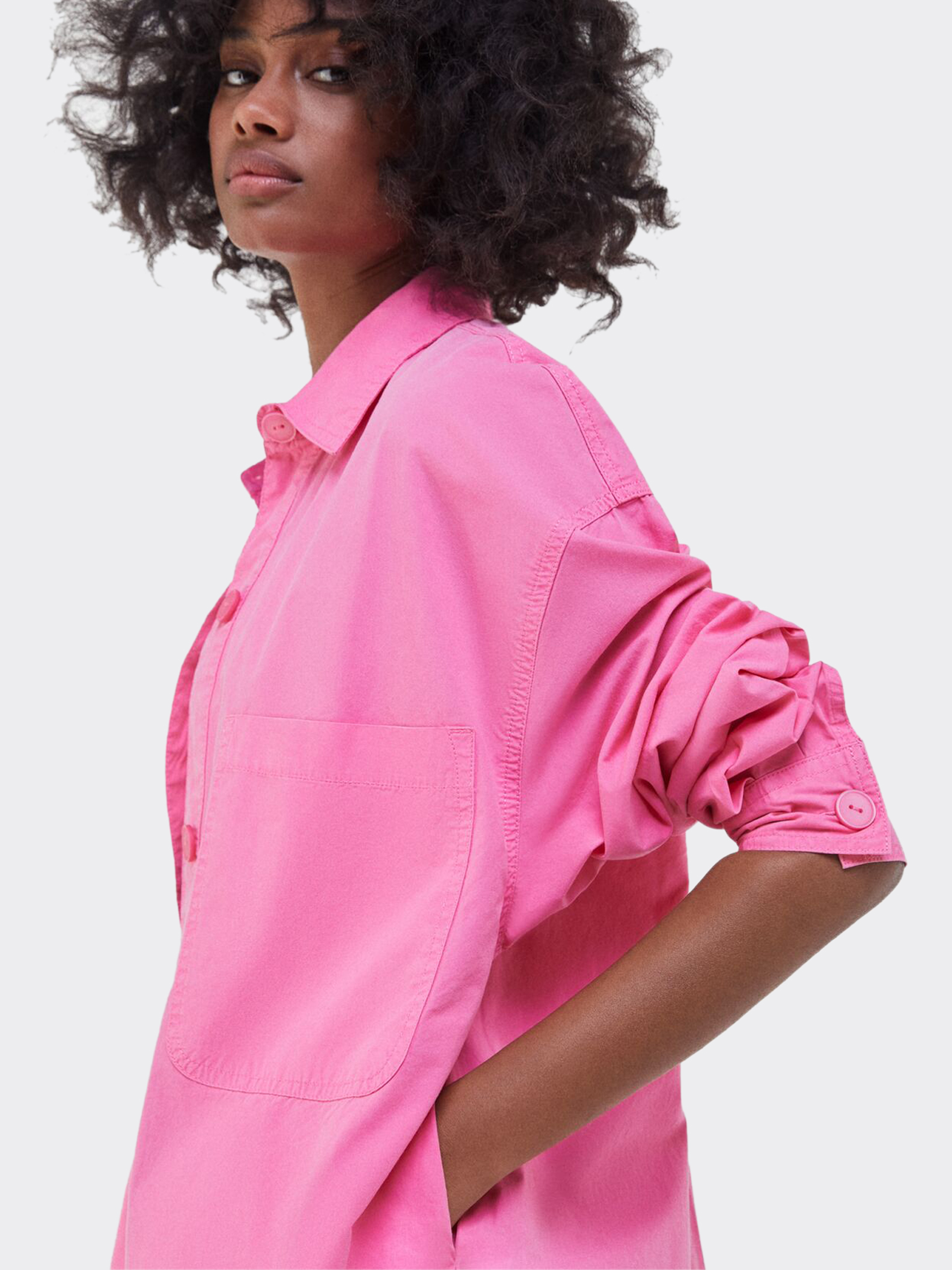
Water repellent woven shirting fabric ladies apparel
Performance Woven Apparel FabricsYarn-Dyed · Light Water Repellency · Wrinkle-Free
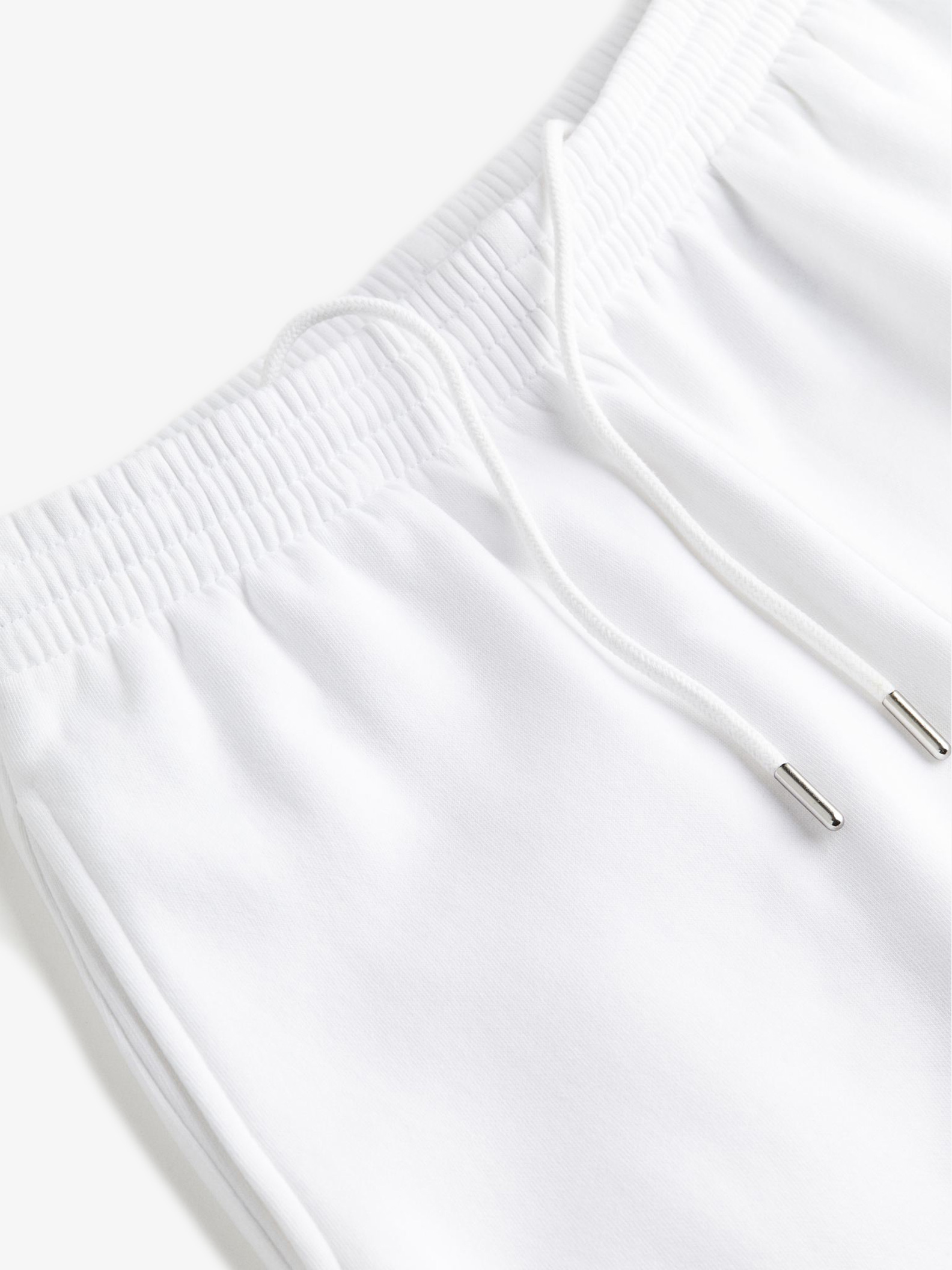
Water repellent loop knit joggers fabric
Weatherproof Athleisure French TerryCotton-Poly Blend · Outdoor Sportswear Finish
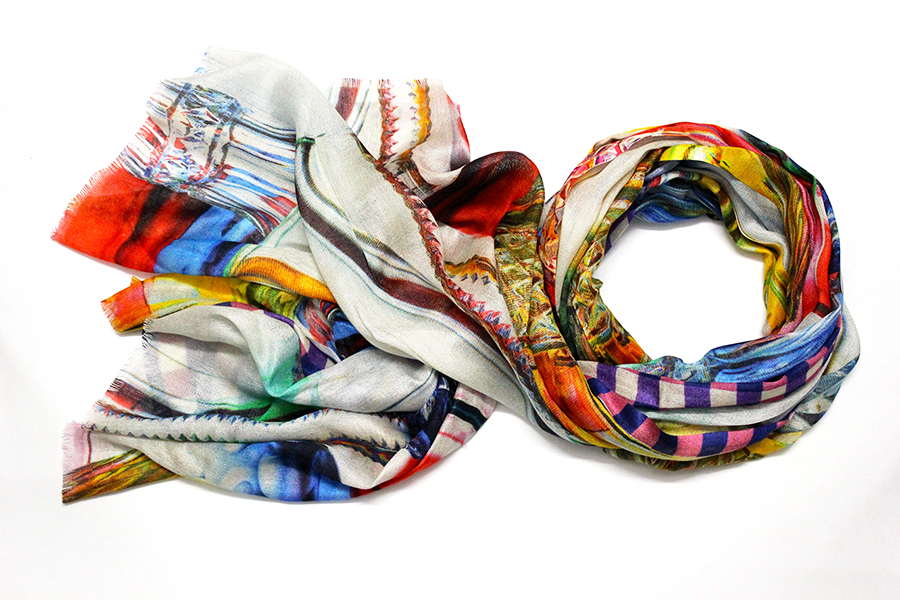
Printed water repellent scarf and technical accessories fabric
Technical Outdoor AccessoriesLightweight Woven · Hydrophobic Nano-Coating

Market Intelligence & Sourcing Outlook

The Future of Water Repellent Fabrics: Industry & Procurement Trends (2026–2035).

Navigating global chemical bans, circular economy mandates, and supply chain shifts requires forward-thinking technical textile partnerships.

1. Total Elimination of PFAS (California AB 1817 & EU REACH)

Global regulatory enforcement has officially made non-PFAS compliance non-negotiable. Brands selling into North America and Europe must phase out all intentionally added perfluoroalkyl substances. The future belongs to bio-based C0 DWR treatments derived from plant waxes, renewable fatty acids, and silicones that leave zero fluorinated residue in aquatic ecosystems.

2. Circular Monomaterial Construction for Recyclability

Legacy 3-layer waterproof fabrics blended polyurethane membranes with nylon faces and polyester backings, creating non-recyclable textile waste. Modern procurement favors monomaterial technical fabrics—such as 100% Recycled Polyester face, membrane, and tricot backing treated with C0 DWR—enabling seamless garment-to-garment mechanical recycling at end of life.

3. Hybrid Multi-Functional Finishing Matrices

Global buyers are moving away from single-attribute fabrics. Next-generation specifications demand water repellency combined with secondary functional properties: UV50+ solar protection, permanent anti-odor vector treatment, flame retardancy (ISO 11612), and stain-release technology—all integrated within a single continuous finishing pass.

4. Supply Chain Resilience & The "India Sourcing Corridor"

Over-reliance on traditional East Asian synthetic suppliers has exposed global apparel brands to tariff risks and supply chain friction. India—and Ludhiana’s vertically integrated mills in particular—has emerged as the premier global alternative for high-precision technical textiles, offering ethical labor practices, raw material sovereignty, and lower landed costs.

From Lab Dip to Export Container

How We Develop Your Custom
Water Repellent Fabrics.

A streamlined 3-stage mill protocol engineered to eliminate development errors and guarantee wash-durable performance.

01
Stage 1 · 1 Week

Specification & Lab Dip

Share your required GSM, fiber blend, target Hydrostatic Head rating, and wash standards. Our textile engineers formulate custom lab dips and small-swatch hydrophobic padding trials.

  • Lab dip color matching (Datacolor SPECTRA)
  • Chemical formulation selection (C0 Fluorine-Free vs. Barrier Coating)
  • Initial spray rating and hand-feel evaluation
  • Cost estimation & minimum order optimization

Lab dips shipped via courier for buyer approval within 7 days.

02
Stage 2 · 2 Weeks

Sample Yardage & Testing

We run prototype roll yardage on our pilot stenter frame to produce sample lengths for your wear-testing and prototype garment construction.

  • Pilot lot knitting/weaving & continuous finishing
  • AATCC 22 spray testing & ISO hydrostatic pressure lab runs
  • Accelerated 20/50 wash-cycle durability verification
  • Pre-production prototype garment construction

Full physical test reports attached to sample shipments.

03
Stage 3 · 4–6 Weeks

Bulk Mill Run & Global Export

Upon sample sign-off, bulk production proceeds through high-capacity circular knitting/weaving, dyeing stenters, DWR pad-cure lines, inline inspection, and export packing.

  • Strict 100% 4-Point System fabric inspection
  • Sealed water-resistant export roll packaging with barcode tracking
  • Custom export documentation, COO, and REACH/OEKO-TEX certificates
  • Door-to-door air or ocean freight handling

Master patterns and chemical recipes archived for instant reorders.

Enterprise Advantages

Why Leading Global Brands Partner with NG Apparels for Technical Textiles.

By eliminating agent layers and controlling the entire manufacturing value chain in Ludhiana, we give brand owners unprecedented transparency, technical accuracy, and margin protection.

Whether you are developing activewear for high-altitude sports, flame/water resistant industrial apparel, or everyday sustainable outerwear, our vertical plant structure delivers superior outcomes.

Send an Inquiry
Technical garment stitching and quality control at NG Apparels ethical factory in India
Ethical manufacturing icon
Direct Mill Ownership

No sourcing agents, no inflated commissions, and zero risk of IP leakage.

Quality assurance icon
In-House Hydro Lab

Batch-level hydrostatic head and spray test reports provided with every shipment.

Proven Performance Metrics

Data-Backed Quality: Uncompromising Standards.

We lock in chemical formulations, yarn suppliers, and stenter heat setting parameters during sampling to guarantee bulk uniformity.

AATCC 22 Initial Spray Rating
0Perfect Beading

Formulated for zero surface wetting upon exposure to heavy rainfall, forcing water droplets to shed instantly.

DWR Retention After 30 Washes
0AATCC Standard

Cross-linked chemical bonding ensures long-lasting hydrophobic performance even after repeated commercial home laundering.

Hydrostatic Head Resistance
0Barrier Peak

Membrane laminated variants offer complete liquid barrier protection engineered for severe alpine or industrial environments.

AI Search & Buyer FAQs

Frequently Asked Questions on Sourcing Water Repellent Fabrics.

Expert answers to common technical queries submitted by international purchasing agents, fashion developers, and apparel brand founders.

C6 DWR chemistry relies on short-chain fluorocarbons (perfluorinated compounds) that provide both water and oil repellency by lowering surface tension significantly. However, C6 treatments contain trace perfluorinated impurities that persist in environmental ecosystems. C0 (Fluorine-Free / PFC-Free) DWR utilizes hyper-branched dendrimers, silicone emulsions, or natural plant waxes that create a dense hydrophobic matrix on fabric surfaces. C0 delivers exceptional water repellency (100/100 AATCC spray rating) and is 100% biodegradable and non-toxic, complying fully with EU REACH Annex XVII, ZDHC MRSL Level 3, and US State laws (such as California AB 1817).

We utilize two primary standardized physical tests in our Ludhiana quality control lab:

1. AATCC 22 / ISO 4920 Spray Wetting Test: A controlled volume of distilled water is sprayed onto a fabric specimen mounted at a 45° angle. The surface is visually rated from 0 (complete wetting) to 100 (no sticking or wetting of the upper surface).

2. ISO 811 / AATCC 127 Hydrostatic Pressure Test: Used for coated or membrane-laminated water repellent fabrics. Water pressure is applied beneath a fabric sample at a constant rate until three droplets penetrate. The pressure column height is measured in millimeters of water gauge (e.g., 5,000mm to 20,000mm H2O).

Absolutely. While synthetic fibers (polyester, nylon) are naturally hydrophobic, natural cellulosic fibers (cotton, bamboo, linen) are naturally hydrophilic. NG Apparels applies specialized organo-silicone or bio-wax nano-emulsions during the stenter pad-dry-cure process. These hydrophobic molecules cross-link with the hydroxyl groups of cotton cellulose without filling the breathable interstitial spaces between yarns. The resulting fabric sheds rain effectively while retaining its natural softness, moisture absorbency on the skin side, and breathability.

Our standard working MOQ for custom mill-dyed and finished technical fabric is 300 to 500 meters per color lot for standard polyester, nylon, or cotton bases. For complete private-label custom garment manufacturing (e.g., water repellent hoodies, ski jackets, or medical scrubs), our MOQ is typically 300 pieces per style. For lower trial runs, we can utilize stock-supported base fabrics and apply custom DWR surface treatments in smaller dye lots.

Wash durability depends on chemical cross-linking and laundering parameters. Standard DWR finishes maintain an AATCC spray rating of 80+ after 20 standard home wash cycles (ISO 6330 at 40°C). By adding polymer cross-linking agents (iso-cyanate accelerators) during the stenter curing process, NG Apparels produces high-durability technical finishes that retain high water repellency through 50+ launderings. Tumble drying or light iron heating reactivates the hydrophobic polymer alignment after washing.

Yes. All chemical auxiliaries, dyes, and hydrophobic finishing agents used across our Ludhiana processing facility strictly adhere to OEKO-TEX Standard 100 (Class I for babywear, Class II for direct-to-skin clothing) and the ZDHC (Zero Discharge of Hazardous Chemicals) Manufacturing Restricted Substances List (MRSL). Full compliance certification and material safety data sheets (MSDS) are provided with every order.

We operate computerized Datacolor spectrophotometer systems for digital color matching and automatic dye dispensing. Every batch of fabric passes through continuous stenter frame monitoring to ensure uniform temperature, dwell time, and chemical wet-pick-up percentage across the entire roll width, preventing edge-to-center or lot-to-lot variations.

Lab dips and initial hydrophobic fabric swatches are developed within 7 to 10 business days. Upon sample approval, bulk fabric knitting/weaving, technical finishing, lab verification, and export packing require 4 to 6 weeks. Air freight transit requires 5 to 8 days globally, while sea freight from Indian ports (Nhava Sheva/Mundrah) takes 4 to 6 weeks depending on destination port.

Global Sourcing Partners

Trusted by Leading Apparel Brands Worldwide.

We manufacture and export high-performance fabrics and garments for international retailers, technical outdoor brands, and corporate workwear providers.

New Balance logo
Burlington logo
Nordstrom logo
Carrefour logo
Bulforio logo
Honour logo
DOU logo
The Gimnasio logo
Instrmntl logo
Ecoequestrian logo
Reesheh logo
Drip Galore logo

Technical Sourcing Guide

Case Studies & Technical Whitepapers.

Read how modern apparel brands transition from fluorinated finishes to eco-friendly C0 water repellency without sacrificing technical performance.

Technical uniform and water repellent workwear fabric processing in India

Technical Whitepaper · 12 min read

The Buyer’s Playbook: Transitioning to PFC-Free C0 Water Repellent Fabrics

Replacing C6 fluorocarbons with fluorine-free C0 DWR requires precise adjustments to fabric density, yarn twist, stenter curing temperatures, and cross-linking chemistry. This guide details how our Ludhiana mill engineers 100/100 spray-rated hydrophobic textiles that pass California AB 1817 and EU REACH testing while keeping production costs competitive.

Request Technical Data Sheet

Direct Factory Inquiry

Start Your Custom Water Repellent
Fabric Production Today.

Send us your tech pack, target GSM, hydrostatic head requirements, or sample swatches. Our merchandising and textile engineering teams will reply with a technical analysis and factory-direct quotation within 24 business hours.

  • Direct Ludhiana mill manufacturing & export
  • Custom C0 PFC-Free & membrane options
  • Laboratory tested & AATCC certified
  • Zero middleman markup, transparent pricing
Send an Inquiry