NG Apparels — clothing manufacturer India logo
Our Story +
Products +
Ethical Manufacturing
Resource +
FAQs Contact Us
0%

Choosing the right Yoga Sports Bras for wholesale requires more than comparing colors and factory prices. Buyers must examine support, comfort, fabric recovery, sizing accuracy, and production consistency. A bra that looks attractive on a product sheet may feel restrictive during deep stretches. Small details matter, including flat seams, wide underbands, breathable panels, and straps that stay secure without digging into the shoulders.

This guide reviews seven strong options for wholesale buyers, based on practical purchasing factors and real product-use considerations. Each style should be assessed through samples, movement tests, and wash testing before a large order. Check whether removable cups remain flat after washing. Inspect stitching around the bust and armholes. Review size grading carefully, especially between medium and extended sizes. Supplier communication also matters. Clear measurements, reliable lead times, and consistent color matching can reduce avoidable inventory problems.

There is no universal best choice.

A lightweight, low-impact design may suit yoga studios but fail during high-intensity classes. A highly supportive style may sell well, yet feel too warm in humid climates. Even professional evaluations have limits because body shapes and customer preferences differ. Wholesale buyers should compare fabric content, minimum order quantities, packaging standards, and sample performance together. The strongest option is not always the cheapest one. It is the style that delivers dependable comfort, repeatable quality, and a realistic margin for the intended market.
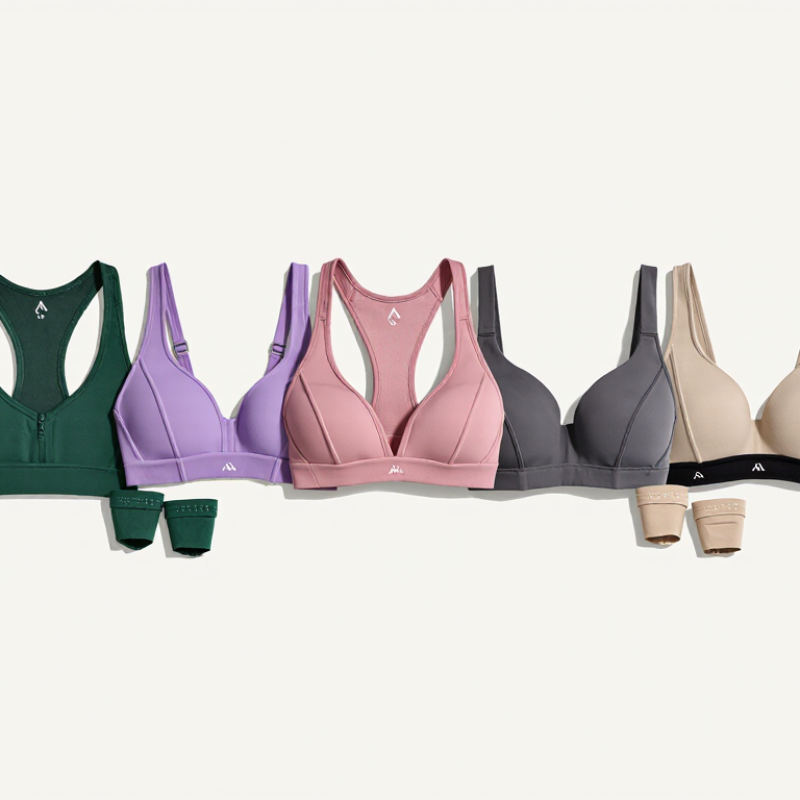
7 Best Yoga Sports Bras for Wholesale Buyers

What Wholesale Buyers Should Know About Yoga Sports Bras

7 Best Yoga Sports Bras for Wholesale Buyers

Wholesale buyers should judge yoga sports bras by movement, recovery, and repeat-order potential. Grand View Research reported that the global yoga clothing market reached about USD 2.9 billion in 2023, with continued growth expected through 2030. That growth does not guarantee easy sales. Buyers still need measurable product standards.

The strongest wholesale assortment can include low-impact lounge bras, removable-pad bras, seamless bras, longline bras, racerback bras, adjustable-strap bras, and light-support bras for studio training. Each option serves a different customer and price point. Check fabric recovery after repeated stretching. A bra should return to shape without feeling tight across the ribs. Ask for test results on colorfastness, pilling, seam strength, and moisture management. Small details matter. A twisting strap can create returns.

McKinsey’s Sporting Goods research has described ongoing growth in activewear demand, while consumer studies from the Global Wellness Institute show strong participation in wellness activities worldwide. These reports support demand, but they do not replace product testing. Request size-set samples, wash them several times, and inspect pad openings, elastic edges, and stitching. Review supplier documentation carefully. Fabric claims can sound better than they perform.

Wholesale pricing must include packaging, freight, defect allowances, and possible size exchanges. A lower unit cost may become expensive after returns. Color selection also needs restraint. Black, charcoal, earth tones, and seasonal accents usually create a practical opening range, though local demand can differ. One imperfect point deserves attention: buyers often test fit on one body type. That is not enough. Include several sizes before committing to a large order.

How to Evaluate Support, Fit, Fabric, and Construction

For wholesale buyers, the best yoga sports bras balance support, comfort, and repeatable quality. Start by identifying the intended activity level. Gentle yoga needs flexible support, while heated flows and studio training require stronger hold. A bra should stabilize the bust without restricting deep breathing. Check the underband first. It should sit firmly against the ribs without rolling or leaving painful marks. Adjustable straps can improve fit across different body shapes.

Request samples in several sizes before placing a bulk order. Test them through forward folds, twists, arm raises, and light jumping. Watch for gaping cups, shifting bands, and exposed skin near the underarms. Fit can change after washing. Measure the garment before and after three wash cycles. Small changes matter at scale. My early mistake was judging support while standing still. Movement revealed the real weaknesses.

Fabric selection affects comfort, durability, and customer returns. Look for breathable, moisture-managing materials with reliable stretch recovery. A fabric that feels soft may lose shape quickly. Check its weight, opacity, and drying speed under warm conditions. Construction deserves equal attention. Inspect flat seams, reinforced strap points, even stitching, and clean binding around the neckline. Pull each seam gently by hand. It should resist stress without puckering. Ask suppliers for fiber details, test reports, and production tolerances. Some suppliers provide polished samples but inconsistent bulk runs. That risk deserves direct inspection, not optimistic assumptions.

7 Best Yoga Sports Bras for Wholesale Buyers

Comparative benchmark scores for seven anonymous yoga sports-bra design profiles. Each score is rated from 1 to 10 using four practical wholesale criteria: support, fit adjustability, fabric performance, and construction quality.

Higher scores indicate stronger performance for wholesale evaluation. Buyers should verify stretch recovery, seam strength, fabric composition, size grading, and sample performance before placing a bulk order.

Seven Yoga Sports Bra Styles Worth Buying Wholesale

Wholesale buyers need yoga bras that serve different bodies, practices, and price points. A seamless low-impact bra suits gentle yoga and lounge use, with soft stretch and fewer irritating seams. A longline style offers extra coverage around the ribs and works well with high-waisted leggings. The classic racerback remains practical for studios because it supports shoulder movement without loose straps. It sells steadily.

A strappy-back design adds visual interest, but the straps must lie flat after repeated washing. A high-neck bra gives more coverage during inversions and appeals to cautious customers.

Front-zip styles make changing easier, although the zipper can feel bulky if the inner backing is poorly finished. A bra with adjustable straps and removable pads gives retailers more fitting flexibility. That seventh option often reduces return concerns.

Test samples before placing a large order. Stretch each size across the chest and inspect recovery after several hours. Check whether the pads shift during downward dog. Review the size chart against actual measurements, not assumptions. My early buying mistake was trusting attractive photos too quickly. The fabric looked supportive, but the underband rolled during movement. That detail mattered.

Ask for colorfastness, seam strength, fabric composition, and care instructions. Recycled fibers may support a sustainability story, but buyers should verify the supplier’s documentation. Keep core colors such as black, clay, and soft gray, then add one seasonal shade. Too many colors can trap cash in slow-moving stock.

How to Compare Suppliers, Pricing, MOQ, and Customization

7 Best Yoga Sports Bras for Wholesale Buyers

A strong yoga sports bra starts with a dependable supplier, not a low quotation. Compare at least three factories using the same specification sheet. Include fabric blend, GSM, lining, padding, size range, stitching, and packaging. Request a physical sample before approving bulk production. A sample can expose weak elastic, uneven seams, or transparent fabric under studio lighting.

Pricing needs a wider view. Ask for unit cost, sampling fees, packaging, shipping, duties, and payment terms separately. A low factory price may become expensive after freight and quality corrections. For a first order, many buyers negotiate an MOQ between 100 and 300 pieces per color. Larger orders usually reduce the unit price, but excess inventory can damage cash flow. No spreadsheet is perfect. Leave room for errors.

Customization should match your sales evidence. Private labels, removable cups, adjustable straps, recycled fibers, and custom colors increase differentiation. They may also raise MOQ and development time. Textile Exchange’s 2024 Materials Market Report recorded 124 million tonnes of global fiber production in 2023, showing the scale of material sourcing and its environmental pressure. Ask suppliers for current fiber certificates, test reports, and production photos. Confirm whether recycled content applies to the entire garment or only the fabric. That detail is often missed. McKinsey’s Sporting Goods analysis projects roughly 5% annual industry growth through 2027, so responsive replenishment may matter more than chasing the lowest opening price.

How to Match Sports Bras to Different Retail Markets

Wholesale buyers should match sports bras to retail behavior, not simply follow color trends. Grand View Research estimates the global activewear market reached about USD 412.9 billion in 2023. It also projects a 9.3% annual growth rate through 2030. This growth rewards precise product selection.

For studio-focused retailers, choose soft yoga bras with removable cups, light support, and wide straps. Customers often value comfort during stretching and low-impact classes.

Fitness-led stores need medium or high support, stronger underbands, and sweat-wicking fabrics. In warmer markets, breathable mesh panels and quick-dry linings can reduce discomfort.

Modest-fashion retailers may prefer higher necklines, longer bodies, and secure coverage. These details affect repeat purchases. They are not just styling choices.

Tips: Build a small test order for each market. Measure return reasons, size exchanges, and customer reviews before scaling.

Textile Exchange reported that polyester represented about 59% of global fiber production in 2023, so buyers should ask for recycled content and credible material documentation. Do not assume recycled fabric guarantees better performance.

Sample fitting still matters. A bra can feel smooth in the hand but shift during movement. The matching process is not perfect, especially when regional data is limited. Use local sales evidence, climate needs, and activity levels together.

FAQS

Which yoga bra styles should wholesale buyers consider?

Choose seamless, longline, racerback, strappy-back, high-neck, front-zip, and adjustable styles. Each serves different coverage and movement needs. Seven options create useful variety.

Which bra works best for gentle yoga?

A seamless, low-impact bra suits stretching, lounging, and slower classes. Soft fabric reduces irritation. Fewer seams can improve comfort.

Why is a longline yoga bra useful?

It extends around the ribs and offers extra coverage. It pairs well with high-waisted leggings. Check whether the lower band rolls during movement.

What should buyers inspect in racerback and strappy-back designs?

Racerback shapes support shoulder movement without loose straps. Strappy backs add visual interest. The straps should lie flat after repeated washing.

What features help customers find a better fit?

Adjustable straps and removable pads support more body shapes. Test whether pads shift during downward dog. They often reduce fitting complaints, but not always.

How should buyers test samples before placing bulk orders?

Stretch every size across the chest. Check recovery after several hours. Inspect seams, elastic, lining, and transparency under bright studio lighting.

How can buyers compare suppliers and wholesale pricing?

Send each supplier the same specification sheet. Include fabric blend, GSM, padding, stitching, packaging, and sizes. Separate product cost, samples, shipping, duties, and payment terms.

How should buyers manage MOQ, customization, and inventory?

A first order may use 100 to 300 pieces per color. Custom colors, labels, and recycled fibers can increase MOQ. Too much stock traps cash. My earlier assumptions would have been wrong.

How should yoga bras match different retail markets?

Studio stores can choose soft bras, wide straps, and removable cups. Fitness retailers may need stronger bands and sweat-wicking fabrics. Warm markets benefit from breathable panels and quick-dry linings. Modest retailers may prefer high necklines and longer bodies. Local sales data still matters.

Conclusion

This guide helps wholesale buyers understand how to select high-quality Yoga Sports Bras for different customers and retail environments. It explains how to evaluate essential factors such as support level, fit, fabric performance, breathability, stretch, durability, stitching, lining, and removable padding. Buyers will also discover seven practical yoga sports bra styles, from light-support designs for gentle activities to more structured options for dynamic training, making it easier to build a balanced and marketable product range.

The article also outlines how to compare suppliers by reviewing pricing, minimum order quantities, production consistency, lead times, customization options, and communication standards. It highlights the importance of matching colors, sizing, materials, and support features to specific retail markets, including boutique stores, fitness retailers, online shops, and value-focused businesses. With a clear purchasing strategy, wholesale buyers can reduce risks, improve product selection, and offer comfortable, functional, and appealing sports bras to their target customers.


Clara

Clara

Clara is a professional marketing specialist with a deep understanding of the company’s products, customers, and industry landscape. Through her clear, practical, and insight-driven writing, she regularly updates the company’s professional blog with valuable content that helps readers make informed......