The best Padded Cycling Shorts should feel supportive without becoming the ride’s main distraction. On a short spin, almost any pair may seem acceptable. After two hours, seams, waistband pressure, and a shifting chamois can tell a different story. Fit matters.
Bike-fit specialist Andy Pruitt is known for focusing on how equipment works with a rider’s body. A useful summary of that approach is: “Fit comes before features.” Treat this as a fitting principle, not a promise that one design suits everyone. Riders differ in anatomy, riding position, distance, and personal comfort. A thick pad is not automatically better, and a premium label cannot correct shorts that bunch or rub.
This 2026 guide compares options for men and women, with attention to chamois shape, fabric, leg grippers, sizing, and intended ride length. We’ll look at how shorts feel on the bike, not just how they appear on a product page. Small details count. A waistband that stays flat can matter on a climb; breathable fabric may feel welcome on a warm, steady ride. Still, even careful testing has limits: bodies and saddles vary, and a pair that works beautifully for one rider may disappoint another. Use the recommendations as a practical shortlist, then check sizing charts and return terms before buying.
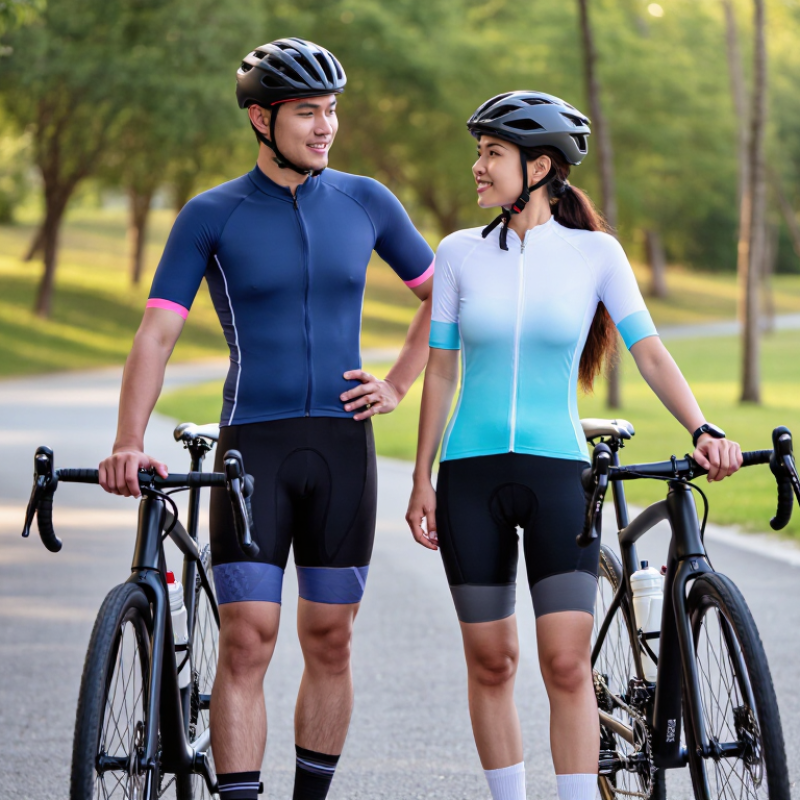
Padded cycling shorts use a shaped, cushioned insert—often called a chamois—to soften contact between the rider and the saddle. The padding is usually thicker where pressure tends to build and thinner near the edges. It does not replace a well-fitted saddle, and more padding is not always better. A bulky insert can bunch during pedaling or feel awkward on longer rides.
The shorts’ close fit helps keep the insert in place as your legs move. Smooth seams and stretchy fabric can reduce rubbing, while breathable materials help manage sweat. The right design varies with ride length, riding position, and personal anatomy. Fit matters. Even good shorts may feel wrong if the insert shifts, pinches, or leaves deep marks. I’ve found that comfort can change after an hour, so a quick try-on is not a perfect test.
Tips: Wear cycling shorts without underwear, and check that the insert sits flat when you lean forward. On a familiar ride, notice where pressure or friction appears. Wash shorts after each ride according to their care label, and let them dry fully. A small adjustment in fit may help more than extra padding.
| Short Type | Typical Design | Padding and How It Works | Suitable Use | Fit and Selection Tips |
|---|---|---|---|---|
| Road cycling bib shorts | Close-fitting shorts with shoulder straps that hold the waistband area in place. | A chamois pad sits between the rider and saddle. Its shaped foam helps reduce pressure and friction; it does not replace a correctly adjusted saddle. | Road rides, training, and longer rides where a stable fit is useful. | Choose a snug fit without pinching. Check that the straps lie flat and the pad stays aligned in a riding position. |
| Road cycling waist shorts | Close-fitting shorts with an elastic or structured waistband and no shoulder straps. | The integrated chamois cushions contact points and helps limit skin-on-saddle friction during pedaling. | Road cycling and indoor training; convenient for riders who prefer a waistband. | Look for a waistband that stays put without digging in, plus leg openings that do not ride up. |
| Mountain biking liner shorts | Lightweight, close-fitting padded shorts, often worn under loose outer shorts. | A relatively compact pad provides a layer between the body and saddle while allowing an outer short to be worn over it. | Trail riding and mountain biking, especially when a loose outer layer is preferred. | Check that the liner stays smooth under the outer short and does not bunch during movement. |
| Mountain biking baggy shorts with a liner | Loose outer shorts paired with a separate padded liner; some sets attach the liner to the outer short. | The liner's chamois provides the padding. The loose outer layer mainly adds coverage and storage, depending on its design. | Trail riding and casual off-road cycling. | Make sure the liner is secure and the outer short allows free movement when pedaling or getting on and off the bike. |
| Women's-specific padded shorts | Available as bib or waist shorts, with patterning and pad shapes designed around the wearer's anatomy. | The pad is intended to match the rider's contact area and support points. Shape and placement matter more than gender labels alone. | Road, indoor, or off-road riding, depending on the short's cut and construction. | Assess pad placement while seated on a bike. Fit varies by body shape, so compare measurements and return policies where possible. |
| Men's-specific padded shorts | Available as bib or waist shorts, with pad shapes and garment patterning designed around the wearer's anatomy. | The chamois supports the areas that contact the saddle; a pad should remain flat and centered while pedaling. | Road, indoor, or off-road riding, depending on the short's cut and construction. | Check for comfortable support without excess pressure or folding. A gender-specific label does not guarantee the right fit for every rider. |
| Unpadded outer shorts | Loose cycling shorts designed to be worn alone or over a padded liner. | Usually no chamois is included, so these shorts provide little saddle cushioning on their own. | Often paired with a padded liner for mountain biking or casual riding. | Confirm whether a liner is included. If wearing one underneath, choose an outer fit that does not restrict pedaling. |
How padded cycling shorts work: The chamois is a shaped, sewn-in or liner-mounted pad that cushions the body's contact with the saddle and helps reduce friction. It is not designed to eliminate all discomfort or compensate for poor saddle fit. Cycling shorts are commonly worn without underwear to reduce extra seams and fabric rubbing against the skin.
Women’s pads often offer more width at the rear, while men’s designs may provide more space at the front. These are patterns, not rules.
Not always. A bulky pad can bunch beneath you or create pressure on longer rides. Check it while pedaling.
Sit on your usual bike and ride for about 30 minutes. Notice folds, shifting, pressure points, and rubbing. Standing tests miss things.
The waist should feel snug without pinching. Leg grippers should lie flat, not leave marks, and seams should not rub as you pedal.
A thinner insert may suit short, upright rides. Longer road sessions may benefit from broader support, but your saddle and posture matter too.
It is a useful starting point, not a promise. Body proportions vary, and I have trusted charts too much before. Try shorts in riding position.
Prioritize stable fit, smooth seams, and fabric that holds its shape after washing. Extra features can wait. A lower-priced pair may work for occasional rides.
It can feel more comfortable on hot rides. Clothing does not replace drinking fluids, and comfort on one saddle may not carry over to another.
Padded Cycling Shorts are designed to reduce pressure and friction on the saddle, helping riders stay comfortable on short commutes and longer rides. Their performance depends on more than padding alone: fabric breathability, stretch, seam placement, leg grip, and the shape and density of the chamois all affect how the shorts feel. A well-constructed pair should move with the body, provide support without excessive bulk, and remain comfortable as riding conditions change.
Men’s and women’s shorts may differ in cut, rise, and chamois shaping to better suit different body contours, though personal fit is just as important as the label. When choosing a pair, consider your riding style, typical distance, preferred waistband or bib design, and budget. Try to find a secure fit that does not restrict movement, with padding suited to your time in the saddle. The best options in 2026 are those that balance comfort, durability, and practical features for the rider’s needs.