NG Apparels — clothing manufacturer India logo
Our Story +
Products +
Ethical Manufacturing
Resource +
FAQs Contact Us
0%

Fluffy Fleece Jackets can look soft and premium in a product photo, yet wholesale success depends on details the image cannot show. Buyers need to examine pile density, backing, seam strength, fit, and color consistency. Small differences matter. A jacket that feels plush on the sample may arrive thinner across the bulk order. That risk deserves attention.

Material choices also sit within a changing textile market. Textile Exchange’s Materials Market Report 2024 estimates that global fiber production reached 124 million tonnes in 2023, with polyester accounting for about 57%. This is useful context, not proof that every fleece jacket performs alike. Fiber content alone cannot confirm warmth, durability, or hand feel. Buyers should request fabric specifications and test physical samples before approving production.

This guide outlines ten practical checks for sourcing Fluffy Fleece Jackets wholesale, from supplier verification and minimum order quantities to sample review, quality control, and shipping plans. Ask for measurable details, including fabric weight, composition, size tolerances, and care instructions. Compare the quoted price with the full landed cost. A low unit price can hide expensive surprises. Real orders are messier than checklists suggest, and even careful buyers can miss something. Use the tips as a working framework, then verify each important claim with documents, samples, and clear written terms.
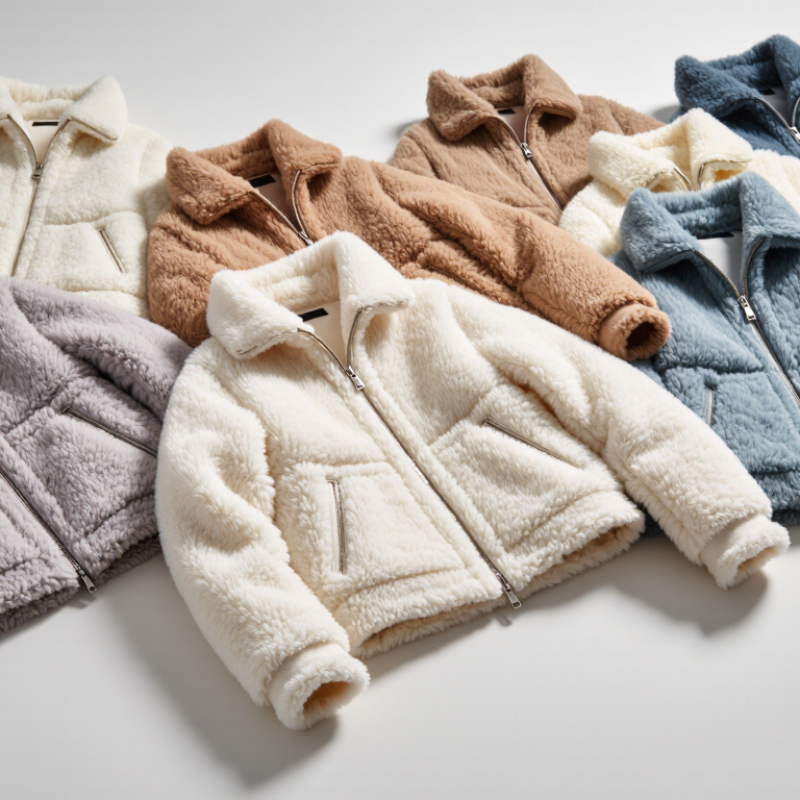
10 Tips for Buying Fluffy Fleece Jackets Wholesale?

Define Your Wholesale Needs and Target Customers

Before requesting wholesale quotes, decide what the jackets must do for your customers. A campus shop serving commuters may need light fleece for mild winters. An outdoor retailer may prefer thicker pile, zipped pockets, and reinforced seams. Different needs. Write down your customers’ age range, local climate, usual activities, and expected price point. Note preferred colors and sizes, too; a size run that stops at medium may leave real demand unmet.

Use those details to estimate an opening order. Compare last season’s sales, if available, with the space you can actually store. A small shop might test a few core colors and reorder after seeing which sizes move. Guessing can be costly. Ask sample reviewers to check softness, shedding, zipper feel, and warmth over a regular shirt. Keep feedback practical and specific. “Feels nice” is less useful than “too warm for a heated bus.” I learned that distinction late. Also consider who will wear the jacket most: dog walkers, students, staff, or weekend hikers. Their needs can differ sharply, even when they want the same fluffy look.

Compare Fleece Types, Fabric Weight, and Jacket Construction

When buying fluffy fleece jackets wholesale, compare fabric types by more than touch. Microfleece is light and easy to layer, while denser polar fleece usually feels warmer and more substantial. Sherpa-style fleece has a lofty, curly surface, but it can add bulk and may need careful seam finishing. Feel the difference. Rub a sample against itself and check for loose fibers, uneven pile, or quick pilling. A fabric card alone can mislead; softness is only one part of wearability.

Fabric weight, often listed in grams per square metre, helps with comparison, but it does not tell the whole story. A heavier fleece may still feel drafty without a good collar or snug cuffs. Check the jacket’s seams, zipper backing, pocket stitching, and how the fabric behaves when stretched. Small detail, big impact. Ask suppliers for samples from several sizes and, where possible, from the intended production batch. Color and pile can vary more than expected.

Tip: Test one sample after washing, then inspect its shape, surface, and seams. Compare fleece types under the same conditions, not just on a product sheet. For bulk orders, confirm the agreed fabric weight, composition, and construction in writing. It is tempting to choose the fluffiest option, but that may not suit every climate or customer.

Evaluate Suppliers, Minimum Orders, and Bulk Pricing

When buying fluffy fleece jackets wholesale, assess suppliers before comparing headline prices. Request a sample in the same fabric weight and finish as the bulk order. Check the pile for shedding, seams for skipped stitches, and zippers for smooth movement. Ask how colors and sizing are checked between production runs. A clear answer matters. Confirm quoted lead times, packaging details, and how the supplier handles defects. If replies are vague, treat that as a practical warning, not a minor annoyance.

Tips: Compare at least three written quotes. Ask whether samples are charged separately. Confirm fabric composition, size ranges, and available colors in writing. Keep one sample as a reference when the shipment arrives. Small details count.

Minimum order quantities can vary by color, size, and customization, so request a breakdown rather than one overall number. A low MOQ may come with a higher unit price; a larger order may lower it but tie up cash and storage space. Ask for price tiers, shipping estimates, and any setup fees before choosing. Calculate the landed cost per jacket, not just the factory price. I’ve seen buyers focus too much on the lowest quote; it can look clever, then become inconvenient when sizing or delivery differs from expectations. A little caution is useful.

Check Samples, Sizing, Quality Standards, and Customization

Before placing a bulk order, request a sample in the exact fabric weight and color you plan to buy. Rub the fleece between your fingers and check for shedding, uneven pile, and scratchy seams. Feel the cuffs. A soft surface can hide weak stitching underneath. Wash the sample according to the care label, then check for pilling, shrinkage, or color changes. One sample is useful, but it cannot guarantee every carton will match.

Sizing needs more than a supplier’s general chart. Ask for garment measurements, including chest width, body length, and sleeve length, and compare them with a jacket you already wear. Measure twice. Check several sizes, not only the sample size, because grading between sizes can feel inconsistent. Allow room for a sweater if the jackets are meant for cold-weather layering. Your customers may prefer a closer fit, though; assumptions are easy to get wrong.

Ask which quality checks are performed on fabric, seams, zippers, and finished garments. Request clear specifications, such as fleece weight and acceptable measurement tolerances, in writing. If a supplier cites a standard, ask what it covers and whether documentation is available. Customization also deserves a physical review: confirm logo placement, thread color, labels, and packaging on a revised sample before production. Small details matter. Embroidery can stiffen a lightweight panel, and printed colors may look different under shop lighting. A final sample may take extra time, but skipping it can be a costly guess.

10 Tips for Buying Fluffy Fleece Jackets Wholesale: Check Samples, Sizing, Quality Standards, and Customization
# Buying Tip What to Check Evidence or Action Before Ordering
1 Request a production-representative sample Compare the sample with the proposed bulk fabric, color, construction, trims, and finish. A showroom sample may not reflect the materials used in production. Approve and document a pre-production sample, including fabric composition, color reference, zipper, labels, and agreed measurements.
2 Confirm the fleece fabric details Ask whether the fabric is single-sided or double-sided fleece, its fiber composition, fabric weight, surface finish, and whether it has been brushed or anti-pilling treated. Request a fabric specification sheet and a swatch. Check that the stated composition and weight match the product specification and purchase order.
3 Check sizing and garment measurements Wholesale size labels can vary between suppliers. Compare chest width, body length, sleeve length, and shoulder width with the intended market and fit. Obtain a size chart with measurement points and tolerances. Measure samples laid flat, and check more than one size before approving the grading.
4 Inspect fleece appearance and hand feel Look for an even pile, consistent softness, acceptable thickness, and minimal loose fibers. Check for bald patches, streaks, shade variation, or uneven brushing. Inspect samples in good lighting and compare multiple pieces or fabric panels from the same color lot where possible.
5 Evaluate pilling, colorfastness, and care performance Fleece performance can vary by fabric and finish. Relevant evaluations may include pilling resistance, colorfastness to washing or rubbing, and dimensional change after laundering. Ask for test reports that identify the tested fabric and method. Examples of recognized methods include ISO 12945-2 for pilling, ISO 105-C06 for colorfastness to domestic and commercial laundering, and ISO 6330 for domestic washing and drying procedures. Agree on acceptance criteria in advance.
6 Examine seams, closures, and finishing Check seam consistency, skipped stitches, stress points, zipper operation, pocket attachment, cuffs, hems, and lining or binding. Fuzzy fabric edges should be neatly enclosed where the design requires it. Test zippers repeatedly on the sample and inspect seams around pockets, underarms, and closures. Record any required construction details in the specification.
7 Verify product safety and labeling requirements Requirements depend on the destination market and product design. Fiber-content, care, origin, and other required information may be subject to local rules. Confirm applicable requirements for each sales market with a qualified compliance resource. Review label wording and placement before bulk production; do not rely on a generic label template.
8 Clarify customization and artwork approval Specify options such as colors, embroidery, printed graphics, woven labels, zipper pulls, and packaging. Decoration can affect placement, appearance, lead time, and cost. Approve a placement mock-up or decorated sample. Confirm artwork files, color references, dimensions, label content, and whether customization changes the minimum order quantity.
9 Check quantities, price breaks, and lead times Clarify the minimum order quantity per style and color, price tiers, sample charges, production lead time, and how delivery dates are calculated. Request a written quotation that separates product, customization, packaging, and shipping costs. Confirm the order quantity and delivery schedule in the purchase order.
10 Set a quality-control plan before production Agree how measurements, appearance, workmanship, labeling, and packing will be checked. Define how defects and nonconforming goods will be handled. Use a written specification and approved sample as references. Arrange in-production or pre-shipment inspection when appropriate, and document inspection criteria and corrective-action steps.

Confirm Shipping Terms, Return Policies, and Reorder Options

Before placing a wholesale order for fluffy fleece jackets, get shipping terms in writing.

Ask whether quoted freight includes fuel surcharges, customs handling, and delivery to your warehouse door. A low unit price can lose its appeal when cartons arrive in separate shipments. Confirm the dispatch window, estimated transit time, carrier, tracking details, and who handles delays. Get specifics.

Return policies deserve the same attention as fabric samples.

Request the acceptable defect threshold and the evidence needed for a claim, such as photos of zipper seams or fleece shedding. Check the deadline for reporting shortages, and ask whether approved returns receive replacement goods, credit, or a refund. Clarify who pays return freight.

I once assumed a “quality issue” covered inconsistent pile thickness; the wording was too vague, and that assumption was mine to fix.

Reorder options matter if a style sells faster than expected.

Ask whether the supplier can reserve matching fabric, keep the same color lot, and repeat the size mix. Find out the minimum reorder quantity and whether lead times change during peak season. Keep a signed spec sheet with measurements, color references, labels, and carton counts. Small details help.

Still, exact color matching may not be guaranteed across production batches, so request a fresh sample when consistency matters. Count units on arrival and note carton damage before signing delivery paperwork.

FAQS

What should I check in a fleece jacket sample?

Feel the fabric, cuffs, and seams. Check for shedding, uneven pile, and scratchiness. Wash it, then look for pilling, shrinkage, or color changes.

Can one sample guarantee consistent bulk-order quality?

No. One sample offers useful clues, but it cannot confirm every carton will match. Ask about production checks, too.

How can I confirm jacket sizing?

Request chest, body, and sleeve measurements. Compare them with a jacket you own. Check several sizes, not just the sample.

What quality details should be written down?

Record fleece weight, measurement tolerances, and checks for seams, zippers, and finished jackets. Ask what any cited standard covers.

What should I review on a customized sample?

Check logo placement, thread color, labels, and packaging. Look closely at embroidery; it can stiffen a lightweight panel.

Which shipping details should I confirm before ordering?

Get freight costs, dispatch dates, transit estimates, carrier, and tracking details in writing. Ask who handles delays and extra charges.

What should a return policy explain?

Confirm defect limits, claim deadlines, and required evidence, such as seam photos. Ask whether approved claims mean replacements, credit, or refunds.

How can I make reorders more consistent?

Ask about fabric reservations, color lots, size mixes, minimum quantities, and peak-season lead times. Request a fresh sample when color matters. Exact matches may still be uncertain.

What should I do when the cartons arrive?

Count the units and note damaged cartons before signing delivery paperwork. Keep the signed specifications nearby. I would not rely on memory alone.

Conclusion

Buying Fluffy Fleece Jackets wholesale starts with a clear plan. Define your budget, intended order quantity, and target customers so you can choose styles and features that suit their needs. Compare fleece types, fabric weights, and jacket construction, considering warmth, softness, durability, and the climate where the jackets will be worn. These details can help you balance comfort and quality with your price range.

Before placing a bulk order, evaluate suppliers’ minimum quantities and pricing, and request samples to inspect fabric, stitching, fit, and sizing consistency. Confirm any quality standards and customization options, such as colors or designs, before approving production. Finally, review shipping costs and timelines, return policies, and the process for placing future orders. Careful checks at each stage can help you make a confident purchase and build a reliable supply plan.


Elara

Elara

Elara is a highly accomplished marketing professional dedicated to helping businesses understand opportunities, make informed decisions, and achieve sustainable growth. With extensive knowledge of the company’s products and services, Elara translates complex features, technical capabilities, and......