NG Apparels — clothing manufacturer India logo
Our Story +
Products +
Ethical Manufacturing
Resource +
FAQs Contact Us
0%

Buying Printed Bamboo Shirts can feel simple until the label, fabric blend, and printing process raise harder questions. Global fiber production reached 124 million tonnes in 2023, according to Textile Exchange’s Materials Market Report 2024. The report projects production may approach 160 million tonnes by 2030. That growth makes careful buying more important, not less. A bamboo label alone proves little.

Check the fiber name. Rayon or viscose made from bamboo is not the same as mechanically processed bamboo fiber. The U.S. Federal Trade Commission requires accurate bamboo labeling and warns against unsupported environmental claims. Textile researcher Dr. Subhash Anand offers a useful caution: “Bamboo is not automatically sustainable; the process matters.” Buyers should therefore inspect fiber percentages, certification details, print durability, and supplier transparency. Look closely.

The ten tips ahead focus on practical decisions. Feel the fabric after washing, not only under store lighting. Examine whether the print cracks around the elbows. Ask whether the ink is water-based, certified, or merely described as “eco-friendly.” OEKO-TEX Standard 100 can help assess harmful substances, while GOTS may support broader organic-textile claims when its scope applies.

Still, no certification answers every question. A shirt may feel cool yet use a chemically intensive conversion process. It may carry a beautiful tropical print but fade after three washes. I cannot promise that every “green” claim is meaningful. That uncertainty deserves attention. The best purchase balances comfort, evidence, construction, and honest labeling—not marketing language alone.
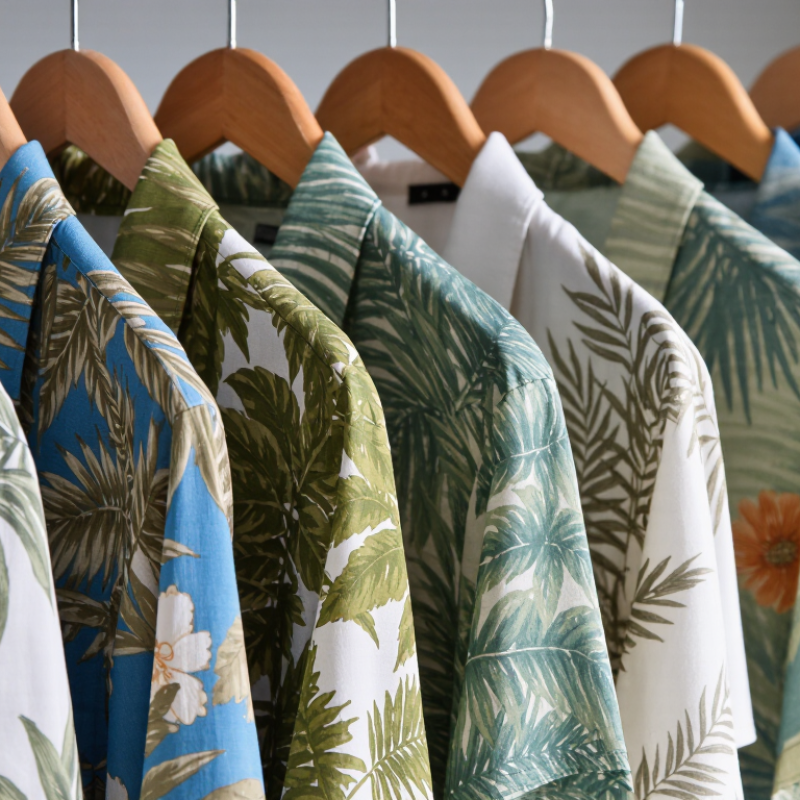
10 Tips for Buying Printed Bamboo Shirts?

Understand Bamboo Fabric Types and Shirt Construction

When buying a printed bamboo shirt, start with the fabric label. Bamboo viscose is soft, cool, and widely available, but it is chemically processed. Bamboo lyocell usually offers stronger fibers and better moisture control. Mechanically processed bamboo feels more textured and appears less often. The label should identify the fiber clearly. Vague terms deserve caution.

Feel the fabric under natural light. A smooth surface can hide thin, weak yarns. Check the shirt’s weight, stretch, and recovery. A medium-weight knit often handles printing better than a very thin one. Hold the shirt near a window. Uneven areas may reveal poor knitting. I once chose a silky shirt that stretched badly after washing. It looked attractive, but the collar lost shape quickly.

Examine construction before admiring the print. Look for even stitches, reinforced shoulder seams, and a collar that lies flat. Side seams should run straight from the underarm to the hem. Rub the printed area gently. Excess color on your fingers suggests weak surface bonding. Screen prints may feel slightly raised, while pigment prints often feel softer but may fade sooner. Ask about shrinkage testing, colorfastness, and washing instructions. Printed bamboo shirts still need careful care. Cold water, mild detergent, and air drying usually protect the fabric. Do not assume every bamboo shirt performs equally. Fiber type, yarn quality, printing method, and stitching all change the result.

Check Print Quality, Colorfastness, and Design Durability

When buying a printed bamboo shirt, inspect the fabric under natural light. Tip 1: Look for sharp outlines and even color coverage. Blurred leaves or broken lines may indicate weak printing. Tip 2: Turn the shirt inside out. The reverse side should show a controlled, consistent transfer, not heavy ink patches. Tip 3: Rub a hidden printed area with a damp white cloth. Any strong color transfer deserves caution. Tip 4: Ask whether the print was tested after washing. A confident seller should explain the process clearly.

Colorfastness matters during real wear. Tip 5: Read the care label and follow its washing temperature. Hot water can damage some printed finishes. Tip 6: Choose gentle detergent and avoid prolonged soaking. I once ignored this advice, and a dark print faded sooner than expected. Tip 7: Check several colors in the same design. Red and deep blue often reveal fading before lighter shades. Tip 8: Examine the shirt near seams, where stretching can crack the print.

Design durability depends on both printing and construction. Tip 9: Stretch the fabric lightly. The image should flex without splitting into thin lines. Tip 10: Inspect edges, collars, and underarm areas for loose threads or crowded artwork. These details expose rushed production. A beautiful sample can still disappoint. If possible, wash one shirt before buying several. Compare its color, softness, and print clarity after drying. The result may not match the seller’s promise, so keep your judgment practical.

10 Tips for Buying Printed Bamboo Shirts? – Check Print Quality, Colorfastness, and Design Durability

No. Buying Dimension What to Check Practical Benchmark or Test Warning Signs
1 Confirm the Fiber Content Read the sewn-in fiber label and product specification. Bamboo textiles are commonly made from bamboo viscose or bamboo lyocell rather than raw bamboo fiber. The label should clearly state the fiber composition and percentages, such as “95% bamboo viscose, 5% elastane.” Vague terms such as “bamboo fabric” without a fiber percentage or care label.
2 Inspect Print Sharpness Examine letters, thin lines, edges, and small motifs under bright, even light. Lines should look continuous, edges should be clean, and repeated patterns should not show obvious gaps or registration shifts. Blurred outlines, fuzzy details, pinholes, streaks, or visibly misaligned colors.
3 Check Color Consistency Compare the front, back, seams, and areas near buttons or collars. The design should have an even tone without unexpected pale bands, cloudy patches, or strong shade differences between panels. Uneven saturation, visible dye marks, or a print that looks substantially different from the product photos.
4 Test Dry and Wet Colorfastness Rub an inconspicuous printed area with a clean white cloth, first dry and then slightly damp. Little or no color should transfer to the cloth. A simple home test is useful, but standardized testing is more reliable. Strong color transfer, staining on the cloth, or a print that becomes noticeably lighter after gentle rubbing.
5 Evaluate Wash Durability Review the care instructions and ask whether the print was tested after repeated laundering. A durable print should remain recognizable without major cracking, peeling, bleeding, or severe fading after the recommended wash process. No washing guidance, “hand wash only” instructions for an everyday shirt, or a surface print that feels brittle.
6 Inspect Print Flexibility Gently stretch the fabric and bend the printed area without forcing the garment. The design should flex with the fabric and return without obvious splitting, flaking, or a hard plastic feel. Cracks along stretch lines, peeling edges, thick raised patches, or a print that restricts movement.
7 Assess Fabric Weight and Opacity Hold the shirt against light and feel whether the printed area is substantially stiffer or heavier than the unprinted fabric. The fabric should be reasonably even in drape, with no excessively dense print layer that reduces breathability. Large transparent areas, uneven thickness, or a heavy coating that makes the shirt feel stiff and uncomfortable.
8 Review Design Placement Check whether the artwork is centered, aligned with seams, and positioned appropriately for the shirt’s cut. Major motifs should not be unintentionally cut off, distorted at seams, or placed where constant friction is likely. Off-center artwork, awkward seam interruptions, or important details hidden under the collar or buttons.
9 Check Skin Comfort and Odor Touch the printed surface and check the shirt in a well-ventilated area before wearing it for extended periods. The garment should feel smooth enough for normal wear and should not have a persistent strong chemical odor. Rough or sticky print, sharp edges, strong solvent-like odor, or noticeable irritation during a brief wear test.
10 Verify Care, Testing, and Return Details Look for clear washing instructions, available sample approval, test documentation, and a reasonable return or replacement policy. Useful documentation may include colorfastness, dimensional-change, and print durability results from recognized textile test methods. Unclear care instructions, refusal to provide a sample, unsupported claims, or no remedy for defective printing.

Note: Home checks are useful for screening, while laboratory testing is recommended when consistent performance or large-volume purchasing is important.

Evaluate Fit, Sizing, Comfort, and Breathability

10 Tips for Buying Printed Bamboo Shirts

A good fit starts with measurements, not the letter on the tag. Measure your chest, shoulders, and preferred shirt length against the seller’s chart. Bamboo-derived fabric may relax after washing, so allow comfortable ease around the chest. Avoid a tight shoulder seam; it can restrict movement and distort the print. Check sleeve openings too. They should sit smoothly without pressing into your upper arm. A curved hem can add length, but compare it with a shirt you already wear.

Comfort depends on more than softness. Look for a breathable weave, especially if the shirt will be worn in warm weather. Lightweight fabric feels cooler, while a dense knit may hold heat. Printed areas can feel slightly less flexible or heavier than the surrounding fabric. Rub the surface gently and inspect the neckline, side seams, and hem. Uneven stitching is a warning sign. Read care instructions carefully, since heat may increase shrinkage or dull the design. I once chose a looser size for comfort, but the shoulders sagged after washing. That mistake changed how I judge fit. Move your arms, sit down, and raise them overhead before buying. If the shirt rides up sharply, the cut may not suit your body. No size chart is perfect. User reviews can help, but personal measurements remain more reliable.

10 Tips for Buying Printed Bamboo Shirts: Evaluate Fit, Sizing, Comfort, and Breathability

Moisture regain is a useful textile indicator when comparing comfort and breathability. Regenerated bamboo viscose is a cellulose-based fiber, so its typical moisture regain is closer to rayon than to polyester. Actual performance also depends on fabric thickness, knit structure, print coverage, and fit.

Typical moisture regain values at standard textile testing conditions. Higher values indicate greater ability to absorb moisture vapor, but they do not independently guarantee faster drying or better breathability.

Compare Sustainable Materials, Certifications, and Brand Practices

10 Tips for Buying Printed Bamboo Shirts: Compare Sustainable Materials, Certifications, and Brand Practices

“Bamboo” is not always a fabric type. Most bamboo shirts use rayon or viscose made from bamboo pulp. The U.S. Federal Trade Commission requires accurate fiber descriptions, so check whether the label says “rayon made from bamboo.” Mechanical bamboo linen is rarer and usually feels less silky. Textile Exchange reported that global fiber production reached 124 million tonnes in 2023, with demand still rising. That scale makes vague sustainability claims worth questioning.

Look for certifications with clear boundaries. FSC or PEFC can verify responsible forest sources, while OEKO-TEX Standard 100 tests finished garments for certain harmful substances. GOTS may cover organic inputs and processing, but its scope must match the actual bamboo fiber. Read the certificate number, not only the logo. Small detail, big difference. Also compare the print method, inks, dye-house wastewater controls, and packaging materials. A soft shirt can still carry a heavy chemical footprint.

Brand transparency matters beyond the hangtag. Prefer suppliers that publish factory locations, fiber percentages, audit methods, and corrective actions. The Textile Exchange Materials Market Report 2024 projects global fiber production could reach 160 million tonnes by 2030. Ask how the shirt will be used repeatedly, washed cold, and repaired. I would not treat one certificate as proof of total sustainability. That is an easy mistake. A durable fabric, credible evidence, and modest claims are stronger signals than green-looking photography.

Review Care Instructions, Pricing, and Overall Value

Buying a printed bamboo shirt requires more than admiring its soft texture and colorful design. Check the fiber description carefully. “Bamboo” may refer to bamboo-derived rayon, not untreated bamboo fiber. This distinction affects breathability, durability, and washing needs.

Read every care instruction before paying. Some shirts require cold washing, gentle detergent, and air drying. Avoid high heat, which can shrink the fabric and dull printed patterns.

I once trusted a “machine washable” label and ignored the drying warning. The shirt survived, but its sleeves became noticeably shorter.

Check seam stitching, collar shape, and print alignment under bright light. Small flaws often become clearer after washing.

Pricing should match construction, not just softness or appearance. Compare fabric weight, print quality, stitching, and return terms across similar shirts.

A very cheap option may use thin fabric that twists after several washes. A higher price is not automatically better. Consider cost per wear, especially if you expect frequent use.

For example, a shirt costing more may offer better color retention and stronger seams, but only if its care demands fit your routine. Ask whether the print is surface-applied or integrated into the fabric, since this can influence fading.

Also inspect the measurement chart instead of trusting your usual size. Printed designs can hide distortion, yet awkward shoulders remain obvious.

Some advice sounds certain, but fabric behavior varies between batches. Keep realistic expectations.

FAQS

What bamboo fabric types are common in printed shirts?

Bamboo viscose feels soft and cool, but it uses chemical processing. Bamboo lyocell often offers stronger fibers and better moisture control. Mechanically processed bamboo feels more textured and appears less often.

How can I check fabric quality before buying?

Hold the shirt near a window. Natural light may reveal thin yarns or uneven knitting. Check its weight, stretch, and recovery. A medium-weight knit often handles printing better than very thin fabric.

What construction details should I inspect?

Look for even stitches and reinforced shoulder seams. The collar should lie flat without twisting. Side seams should run straight from the underarm to the hem. Inspect the neckline, sleeve openings, and hem closely.

How can I choose the correct shirt size?

Measure your chest, shoulders, and preferred shirt length. Compare those measurements with the seller’s chart. Allow comfortable ease because the fabric may relax after washing. Move your arms and raise them overhead. A tight shoulder seam is a warning.

What should a comfortable printed bamboo shirt feel like?

Lightweight fabric usually feels cooler in warm weather. Dense knits may hold more heat. The printed area can feel heavier or less flexible than nearby fabric. Softness alone does not prove comfort.

How can I evaluate print quality?

Rub the printed area gently with clean fingers. Excess color suggests weak surface bonding. Raised prints may feel slightly thicker. Softer pigment prints can fade sooner. I still sometimes underestimate fading.

What sustainability information should I verify?

Check the exact fiber description and percentages. Avoid vague claims such as “natural bamboo fabric.” Read certificate numbers and their stated coverage. A certificate may cover materials, but not every production stage.

Which care practices help the shirt last longer?

Wash it in cold water with mild detergent. Air dry it instead of using high heat. Heat may increase shrinkage and dull the design. Repairing small problems can extend its useful life. I sometimes forget this.

What questions should I ask the supplier?

Ask about shrinkage testing, colorfastness, and washing instructions. Request information about factory locations and fiber percentages. Ask how printing wastewater and packaging are managed. Clear evidence matters more than attractive sustainability photography.

Conclusion

Buying Printed Bamboo Shirts requires more than choosing an attractive pattern. Start by learning the differences between bamboo fabric types and examining how the shirt is constructed, including stitching, seams, and overall finish. Pay close attention to print quality, colorfastness, and whether the design appears durable enough to withstand regular washing. A well-made shirt should also offer a comfortable fit, suitable sizing, softness, and good breathability for everyday wear.

Sustainability is another important consideration. Compare the materials used, look for reliable certifications, and review the manufacturer’s environmental and labor practices where information is available. Before purchasing, read the care instructions carefully to understand washing and drying requirements. Finally, compare pricing with fabric quality, construction, comfort, durability, and sustainability features. The best Printed Bamboo Shirts offer a balanced combination of attractive design, long-lasting performance, responsible production, and overall value rather than relying on appearance alone.


Elara

Elara

Elara is a highly accomplished marketing professional dedicated to helping businesses understand opportunities, make informed decisions, and achieve sustainable growth. With extensive knowledge of the company’s products and services, Elara translates complex features, technical capabilities, and......