NG Apparels — clothing manufacturer India logo
Our Story +
Products +
Ethical Manufacturing
Resource +
FAQs Contact Us
0%

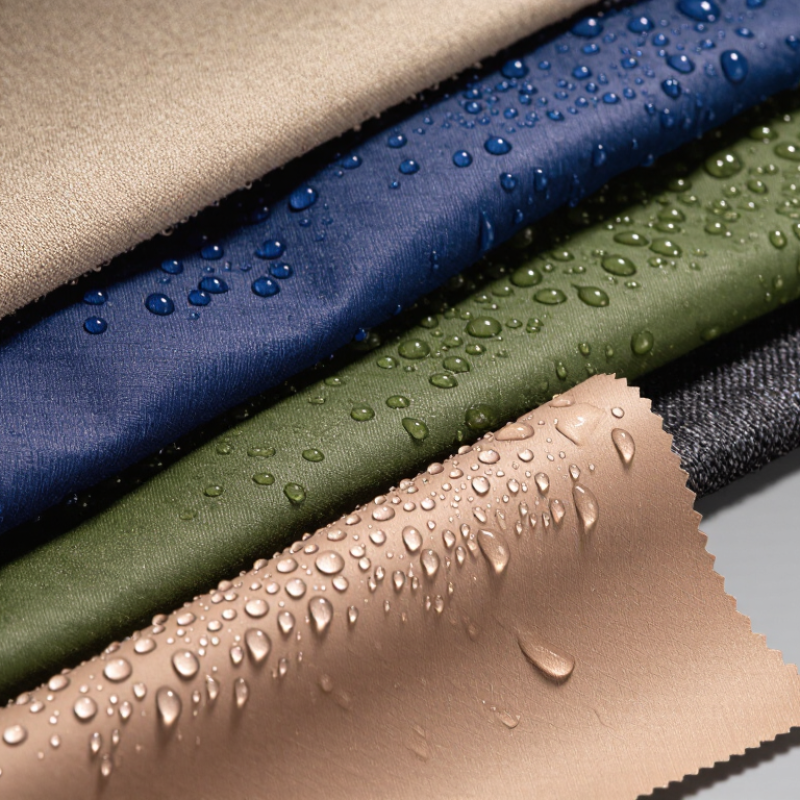
Global sourcing demands fabrics that perform reliably across changing climates, supply chains, and customer expectations. Water Repellent Fabrics help protect garments, bags, outdoor furniture, and workwear from light rain and accidental spills. Their treated surfaces encourage water to bead and roll away instead of soaking in immediately. This simple effect can improve comfort, appearance, and product durability during everyday use. It also creates practical value for brands serving regions with unpredictable weather. Still, water repellency is not the same as waterproofing. That distinction matters.

Experienced sourcing teams examine more than a supplier’s product description. They review fiber composition, fabric weight, coating chemistry, abrasion resistance, colorfastness, and care instructions. Laboratory reports can confirm spray ratings, hydrostatic performance, and durability after washing. Sample testing remains essential. A fabric may perform well in a controlled test yet disappoint after repeated wear, folding, or exposure to detergent. We have seen this gap before. It deserves honest attention.

Reliable suppliers should explain treatment methods, production capacity, minimum order quantities, and quality-control procedures. They should also provide consistent samples from different production batches. Regional climate, end use, and consumer habits influence the best fabric choice. A lightweight finish may suit travel jackets, while heavier construction may better serve outdoor covers. No single solution fits every market. Cost also requires careful judgment, because the lowest quote may create higher replacement expenses later. By comparing verified performance with realistic sourcing goals, buyers can choose Water Repellent Fabrics with greater confidence, fewer surprises, and stronger long-term value.
Why Choose Water Repellent Fabrics for Global Sourcing?

What Are Water Repellent Fabrics?

Water-repellent fabrics are textiles engineered to make liquid bead and roll away from the surface. They are not automatically waterproof. Important distinction. Manufacturers create repellency through dense weaving, surface finishes, membranes, or combinations of these methods. A durable water-repellent finish lowers surface energy, so rain forms rounded droplets instead of spreading through the fibers. Some finishes use fluorine-free chemistry, while others require careful chemical review, wash testing, and supplier documentation. AATCC TM22 and ISO 4920 measure spray performance after controlled water exposure. These tests help buyers compare suppliers, but one rating cannot predict years of abrasion. That gap matters.

Textile Exchange’s Materials Market Report 2024 recorded 124 million tonnes of global fiber production in 2023. It projects nearly 160 million tonnes by 2030. UNEP reports that textiles consume about 215 trillion liters of water annually worldwide. At this scale, sourcing decisions should examine more than initial water beading. Buyers should request hydrostatic pressure data, spray ratings, laundering results, and restricted-substance declarations. Ask how the finish performs after repeated washing. A fabric can look dry on a showroom table yet fail after abrasion. That possibility deserves attention. Reliable specifications should include fiber content, finish chemistry, test method, laboratory conditions, and retest frequency. I would also compare hand feel and breathability, because stronger repellency can reduce comfort. The trade-off is real, and supplier claims need independent verification.

Why Choose Water Repellent Fabrics for Global Sourcing?

What Are Water Repellent Fabrics?

Water repellent fabrics are engineered to make water form droplets and roll off the surface instead of quickly spreading or soaking in. The chart uses the AATCC 22 spray-test rating scale, where higher scores indicate better surface resistance to wetting. This standardized measurement helps global sourcing teams compare fabric performance across suppliers, materials, and production regions.

How Do Water Repellent Fabrics Work?

Water-repellent fabric works by changing how water meets the fiber surface. A durable finish lowers surface energy, so droplets gather into beads instead of spreading. They roll away with light movement. Think of rain on a waxed leaf. The fabric may still allow air and water vapor to pass. It is not automatically waterproof. This distinction matters when comparing suppliers for jackets, bags, and outdoor workwear. Small drops matter.

In practical testing, I look at spray rating and fabric construction. A laboratory spray test places measured water onto the fabric and grades visible wetting. Hydrostatic pressure testing measures resistance to water pushing through the material. These tests answer different questions.

A high spray rating does not guarantee dry performance during heavy rain. The numbers can mislead.

During global sourcing, request the test method, washing cycles, fabric weight, and finishing stage. Verify recent reports because production lots can vary.

The water-repellent finish may coat fibers without sealing every opening. This preserves flexibility and breathability, but washing, friction, body oils, and heat can reduce performance. A tightly woven fabric may repel water better than a loose fabric with the same treatment. I have seen attractive test samples perform poorly after seam handling and packing. That weakens confidence. Request pre-wash and post-wash results, inspect both fabric sides, and check whether breathability suits the final use.

What Are Their Key Benefits for Global Sourcing?

Water repellent fabrics offer practical advantages for global sourcing. They help garments resist light rain, splashes, and accidental spills during daily use. This protection can improve product appeal across different climates and markets. It may also reduce visible staining, which supports longer wear between washes.

For sourcing teams, consistency matters. A reliable fabric specification can simplify supplier comparisons and quality inspections. Water repellency should be tested after washing, abrasion, and storage. A fabric that performs well in a first sample may weaken later. This is an easy detail to overlook. Breathability, hand feel, colorfastness, and production capacity also deserve attention. A heavy coating may improve water resistance but reduce comfort. It can also affect sewing, printing, or finishing processes. Therefore, buyers should evaluate the complete fabric performance, not one impressive test result.

Tips: Request laboratory reports and production samples. Test fabrics under realistic conditions, including repeated washing and folding. Ask suppliers about chemical management, traceability, and restricted-substance compliance. Confirm whether the finish is durable or temporary. Keep written standards for spray ratings, shrinkage, and appearance. Small checks prevent expensive surprises. Yet even careful sourcing has limits. Weather, storage humidity, and consumer care can change results. Honest product communication remains essential.

Which Industries Use Water Repellent Fabrics?

Why Choose Water Repellent Fabrics for Global Sourcing?

Which Industries Use Water Repellent Fabrics?

Outdoor apparel is the most visible user of water repellent fabrics. Grand View Research estimated the global outdoor apparel market at US$20.71 billion in 2023. It also projects a 5.8% compound annual growth rate through 2030. Jackets, hiking trousers, tents, and backpacks need light protection from rain. They must also remain breathable and flexible.

Construction, agriculture, utilities, and logistics depend on protective workwear. MarketsandMarkets valued the protective clothing market above US$10 billion in 2023. Water repellent fabrics help workers handle wet tools, muddy sites, and sudden weather changes. Reflective strips and abrasion resistance often matter just as much. A coating alone is not enough.

Automotive interiors, luggage, furniture, and emergency equipment also use these textiles. Water resistance can reduce staining and slow liquid penetration around seats, covers, and storage bags. Textile Exchange reported that global fiber production reached 124 million tonnes in 2023. It may reach 160 million tonnes by 2030. That growth increases pressure to source durable materials and reduce replacement waste.

Sourcing teams should test real conditions. A fabric that passes a spray test may still leak at seams. Some finishes lose performance after repeated washing. This is where specifications can become too optimistic. Laboratory results need washing, abrasion, hydrostatic pressure, and breathability data before production decisions.

Why Choose Water Repellent Fabrics for Global Sourcing? - Which Industries Use Water Repellent Fabrics?

Industry Typical Products Common Fabric Constructions Why Water Repellency Matters Important Sourcing Requirements Relevant Evaluation Methods
Outdoor Apparel Jackets, hiking trousers, shell garments, rain-resistant accessories Tightly woven polyester or nylon; woven fabrics with a durable water-repellent finish Helps rain bead on the surface, reduces fabric wet-out, and supports comfort during light precipitation Breathability, abrasion resistance, wash durability, colorfastness, and compliance with restricted-substance requirements AATCC 22 or ISO 4920 for spray rating; hydrostatic pressure and water-vapor transmission tests when applicable
Workwear and Protective Clothing Work jackets, overtrousers, uniforms, high-visibility outer layers Polyester or poly-cotton woven fabrics; coated or laminated constructions for higher protection levels Limits surface wetting and helps workers remain more comfortable in wet outdoor environments Garment-level performance, seam construction, durability after laundering, visibility requirements, and protection against specific hazards ISO 4920, AATCC 22, hydrostatic pressure testing, seam testing, and applicable occupational safety standards
Automotive Interiors Seat fabrics, door panels, headliners, trunk liners, protective covers Polyester woven or knitted textiles; solution-dyed fabrics and laminated textile composites Makes liquid spills easier to clean and can reduce rapid absorption into upholstery materials Abrasion resistance, UV stability, odor and fogging performance, stain resistance, flammability, and color durability Spray rating, liquid penetration, abrasion, lightfastness, flammability, and automotive interior material specifications
Furniture and Upholstery Sofa covers, dining-chair fabrics, outdoor cushions, removable upholstery Solution-dyed acrylic, polyester, olefin, and blended woven fabrics Improves spill resistance, simplifies routine cleaning, and is useful for high-contact household or commercial settings Martindale or Wyzenbeek abrasion performance, pilling, seam slippage, UV resistance, cleanability, and finish durability Spray rating, hydrostatic or liquid penetration testing, abrasion testing, colorfastness to light, and cleaning-cycle evaluation
Bags and Luggage Backpacks, travel bags, laptop bags, duffel bags, soft luggage Coated polyester or nylon; laminated textiles; tightly woven canvas Protects contents from light rain and accidental splashes while supporting a lower-maintenance product surface Tear strength, tensile strength, seam and zipper construction, coating adhesion, hydrostatic resistance, and flex durability AATCC 22, hydrostatic pressure, water penetration, tensile and tear strength, flex cracking, and coating adhesion tests
Healthcare and Hospitality Mattress covers, privacy curtains, patient-care textiles, dining and service textiles Polyester, polyester-cotton, polyurethane-laminated, or tightly woven washable fabrics Helps manage liquid spills and supports easier cleaning; it does not automatically make a fabric waterproof or infection-proof Wash durability, liquid-barrier level, breathability, low-lint performance, flame resistance, and compatibility with approved cleaning procedures Liquid penetration, hydrostatic pressure, laundering durability, flammability, and sector-specific barrier tests
Agriculture and Outdoor Equipment Equipment covers, greenhouse textiles, protective aprons, field bags, tarpaulin components Coated woven polyester, polyethylene-based textiles, PVC-free coated fabrics, and heavy-duty canvas Reduces water uptake and helps protect equipment, tools, and materials during outdoor storage or use Tear strength, UV exposure resistance, temperature range, seam sealing, mildew resistance, and coating durability Water penetration, hydrostatic pressure, UV aging, tensile and tear strength, coating adhesion, and dimensional stability
Global Sourcing Considerations Roll goods, finished products, private-label collections, and contract-manufactured textile components Uncoated woven fabrics with repellent finishes, coated fabrics, laminated textiles, and recycled-fiber options Offers a practical balance between surface protection, appearance, comfort, maintenance, and product service life Define performance after washing or aging; verify fiber content, chemical compliance, color, width, weight, MOQ, lead time, and shipment consistency Use standardized laboratory reports, production-lot testing, inspection sampling, and documented chemical-management procedures
Technical note: Water-repellent fabric encourages water to bead and roll off the surface. It is not necessarily waterproof. Performance depends on fabric construction, finish chemistry, pressure, exposure time, seams, laundering, and end-use conditions. For global sourcing, buyers should request current test reports and confirm whether the finish meets applicable restricted-substance and PFAS-related requirements.

How to Select and Source the Right Fabric?

Why Choose Water Repellent Fabrics for Global Sourcing?

How to Select and Source the Right Fabric?

Choosing water repellent fabric starts with the end use, not the finish alone. A high spray rating may look impressive, yet a thin fabric can still wet through at seams. Define rain exposure, abrasion, washing frequency, breathability, and target price before contacting mills. Request fabric construction details, fiber percentages, finish chemistry, test methods, and production capacity. Do not accept vague claims.

The 2024 Textile Exchange Materials Market Report estimates global fiber production reached 124 million tonnes in 2023. It may rise to 160 million tonnes by 2030. This growth makes traceability more important during global sourcing. Ask for recycled-content evidence, transaction records, and clear country-of-origin information. Compare AATCC 22 or ISO 4920 spray results with hydrostatic-pressure testing under ISO 811. Test samples before and after washing. Small details matter.

A perfect laboratory result can still fail in production. Check color consistency, coating uniformity, seam behavior, minimum order quantity, lead time, and replacement-fiber availability. Some suppliers provide excellent samples but cannot repeat the same finish at scale. That gap deserves attention. Review chemical declarations against destination-market requirements, especially when using durable water-repellent treatments. “PFC-free” alone is not a complete sourcing specification. A practical selection process combines performance data, factory evidence, and independent verification. Mistakes happen, but undocumented assumptions make them expensive.

FAQS

What are water-repellent fabrics?

They make liquid form beads and roll away from the surface. They are not automatically waterproof. Important difference.

How do these fabrics repel water?

Dense weaving, surface finishes, membranes, or combined methods create repellency. Some finishes use fluorine-free chemistry.

Which industries use water-repellent fabrics?

Outdoor clothing, construction, agriculture, utilities, logistics, luggage, furniture, and vehicle interiors use them.

What products commonly use these textiles?

Jackets, hiking trousers, tents, backpacks, workwear, seat covers, storage bags, and emergency equipment may use them.

Does water repellency guarantee waterproof performance?

No. A fabric may resist surface spray but leak through seams or under pressure. That gap matters.

Which tests should buyers request?

Request spray ratings, hydrostatic pressure data, laundering results, abrasion testing, and breathability measurements.

How does washing affect water repellency?

Repeated washing can weaken the finish. Ask for test results after several wash cycles, not only new-fabric results.

What documents should suppliers provide?

Request fiber content, finish chemistry, test methods, laboratory conditions, retest frequency, and restricted-substance declarations.

Can stronger repellency reduce comfort?

It can affect hand feel and breathability. A dry surface is useful, but comfort still matters.

How should sourcing teams judge supplier claims?

Compare independent test results with real conditions. A showroom fabric may look excellent, then fail after abrasion.

Conclusion

Water Repellent Fabrics are specially engineered textiles that resist water penetration while maintaining comfort, flexibility, and breathability. Their performance usually comes from tightly constructed fibers, surface treatments, or protective finishes that cause water to bead and roll off instead of soaking into the material. Depending on the construction, these fabrics can also provide useful resistance to stains, wind, and everyday moisture.

For global sourcing, their key benefits include improved product durability, easier maintenance, wider application possibilities, and added value for customers in changing climates. They are commonly used in outdoor apparel, workwear, bags, footwear, home furnishings, medical products, and transportation interiors. When selecting and sourcing the right fabric, buyers should evaluate fiber content, coating or finishing technology, water resistance level, breathability, weight, colorfastness, hand feel, minimum order quantities, testing standards, and production consistency. Clear specifications and reliable quality checks help ensure that the fabric performs effectively across different markets and applications.


Elara

Elara

Elara is a highly accomplished marketing professional dedicated to helping businesses understand opportunities, make informed decisions, and achieve sustainable growth. With extensive knowledge of the company’s products and services, Elara translates complex features, technical capabilities, and......