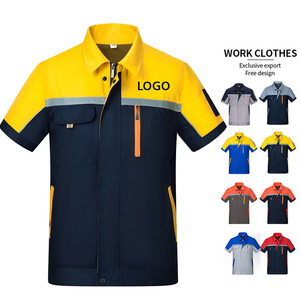
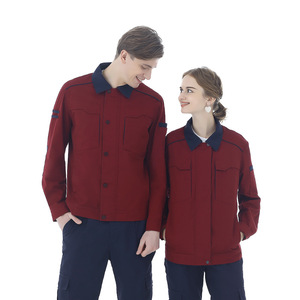
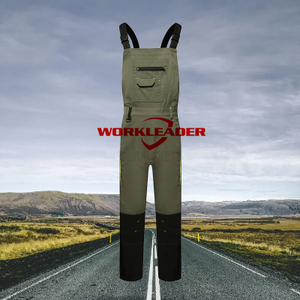
Engineered to conform with European Safety Standards (EN ISO 13688, EN 20471). Fully customizable by yarn construction, GSM density, seam reinforcing, and high-visibility retroreflective striping.
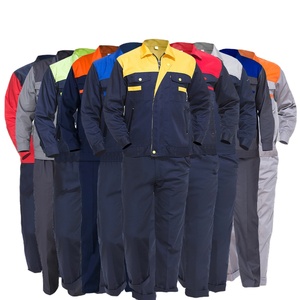

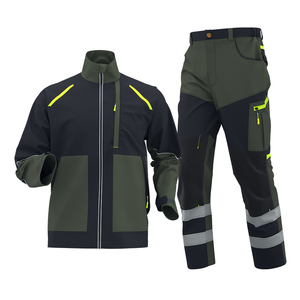
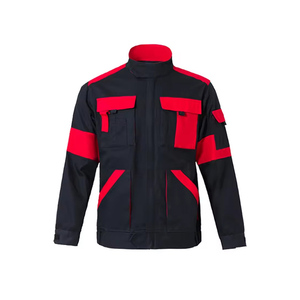
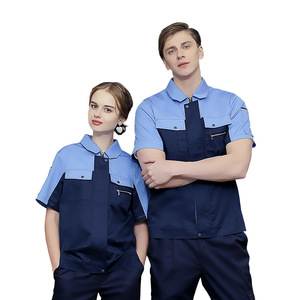
In global industrial apparel sourcing, regulatory compliance is no longer a peripheral checkpoint—it is the foundational pillar of market entry and liability mitigation. For corporate procurement directors, health and safety (HSE) managers, and international apparel brands, securing authentic CE Certified custom apparel represents a critical shield against legal exposure, workplace injury, and supply chain vulnerability.
CE marking on protective workwear serves as a mandatory conformity mark for garments placed within the European Economic Area (EEA), signaling compliance with Regulation (EU) 2016/425 on Personal Protective Equipment. As a vertically integrated manufacturer based in Ludhiana, Punjab (operating continuously since 1981), NG Apparels bridges the gap between high-volume garment engineering and rigorous laboratory verification.
Understanding the hierarchy of protective clothing standards is essential for B2B procurement teams. Workwear is categorized into three distinct PPE risk categories:
| PPE Category | Risk Level Covered | Applicable Standards | Factory Audit Requirements |
|---|---|---|---|
| Category I | Minimal risks (superficial mechanical injury, minor weather exposure) | EN ISO 13688 (General Requirements) | Internal Production Control (Module A) |
| Category II | Intermediate risks (cuts, abrasion, thermal hazard, high-visibility) | EN ISO 20471, EN 343, EN 11612 | EU Type-Examination by Notified Body (Module B) |
| Category III | Irreversible damage, fatal hazards (arc flash, dangerous chemicals) | EN ISO 11611, EN 13034, EN 1149-5 | Quality Assurance Verification (Module C2 or D) |
Our manufacturing plant operates under stringent Quality Management Systems (QMS) compliant with ISO 9001:2015. Every batch of cotton-polyester twill, ripstop nylon, or flame-retardant pyrovatex fabric undergoes rigorous pre-production testing for colorfastness to rubbing (ISO 105-X12), pH value neutral verification (ISO 3071), and dimensional change after home and industrial laundering (ISO 6330).
The modern mechanic, construction engineer, and logistics worker require workwear that combines ballistic durability with high ergonomic freedom. Traditional heavy cotton canvas often suffers from high moisture retention and slow drying times, whereas low-tier synthetic polyesters lack breathability and can melt under friction heat.
To overcome these operational limitations, our mill specializes in hybrid fiber matrices:
Eliminating intermediary sourcing agents restores clarity, protects intellectual property, and reduces procurement costs by 18% to 25% across bulk apparel contracts.
Operating from Ludhiana, Punjab—the textile heartland of India—since 1981. Three generations of master tailors and textile engineers oversee your production line directly.
From raw yarn sourcing to final sealed export cartons, every step stays under one roof. We protect your custom tech packs with strict NDA compliance and zero IP leakage.
As global enterprise buyers navigate supply chain volatility, decarbonization mandates, and evolving HSE regulations, the commercial landscape for industrial apparel is undergoing a fundamental structural shift. B2B buyers must adapt to five structural forces reshaping custom apparel manufacturing:
Driven by European Union regulations on eco-design, upcoming apparel shipments will require verifiable supply chain tracking from farm to fiber. Our factory integrates QR-coded lot tracking, providing enterprise clients with complete transparency on raw material origin, chemical compliance (REACH & OEKO-TEX Standard 100), and water efficiency metrics.
While nearshoring to Eastern Europe or Mexico offers shorter transit times, high labor overhead limits scalability. India’s vertically integrated textile hubs—specifically Ludhiana—provide the ideal equilibrium: master-grade tailoring, complete cotton and synthetic mill ecosystems, and container shipping turnarounds of 7 to 9 weeks door-to-door.
Workplace demographics are driving demand for activewear-inspired workwear. Industrial workwear is adopting features from athletic gear: moisture-wicking gussets, articulated knees, ergonomic 3D sleeve construction, and lightweight nylon-spandex stretch panels engineered into high-stress zones.
Enterprise procurement tenders increasingly mandate a minimum 30% recycled content threshold. We manufacture work jackets, polo uniforms, and coveralls using GRS-certified (Global Recycled Standard) post-consumer PET polyester blended with organic fair-trade cotton, reducing carbon footprints without sacrificing tear strength.
Every garment is engineered according to your exact mechanical and chemical specification parameters.
Incorporating high-tenacity filament gridwork to prevent puncture tears in heavy construction, mining, and industrial forestry applications.
Fluorine-free chemical coatings providing water repellency, oil resistance, and soil-release properties for automotive mechanics.
Woven carbon fiber threads integrated at 5mm intervals to dissipate electrostatic discharge in electronics and chemical workshops.
Heat-applied retroreflective tape passing 50 wash cycles at 60°C while retaining micro-prismatic luminance above 500 cd/(lx·m²).
Certified organic cotton and recycled polyester production routes complete with lot-level Transaction Certificates (TC).
Private label branding: heat-seal care labels, custom woven badges, branded polybags, and barcoded export cartons.
Clear, definitive answers to help enterprise procurement teams streamline vendor onboarding and mass production setup.
Our standard MOQ is 300 pieces per style/colorway, which can be split across a full size set (S to 5XL). For orders utilizing stock-supported dyed twills, lower MOQs can be evaluated. Custom yarn-dyed fabric development requires higher volumes (500–1,000 pcs) due to minimum dye vat sizes.
Typical production timelines run 7 to 9 weeks total: 1 week for tech pack feasibility costing, 2 weeks for prototype pattern cutting and pre-production (PP) sample approval, and 4 to 6 weeks for bulk sewing and inline QC. Air freight shipping adds 5–7 days; ocean freight adds 3–5 weeks depending on the destination port.
We source certified raw materials accompanied by lab test reports from accredited bodies (SGS, Intertek, TÜV). All retroreflective tapes, flame-retardant finishes, and high-visibility fabrics undergo pre-sewing verification. Official CE conformity documentation is provided with bulk shipments.
Yes. Because we operate an end-to-end, family-owned manufacturing facility without buying agents or sub-contractors, your proprietary tech packs, patterns, and artwork are never circulated to third-party shops. All digital CAD patterns are encrypted and archived strictly for your re-orders.
Absolutely. Our lab provides digital spectrophotometer color matching and supplies physical lab dips (A, B, C options) on your chosen fabric base within 5 business days for buyer sign-off before dye lot execution.
We operate under strict AQL 2.5 (Acceptable Quality Limit) guidelines for bulk garments, with AQL 1.0 option for safety-critical seams. Inspection phases include raw fabric 4-point system checking, inline stitching audits, needle detector screening, and final packaging checks.
Submit your tech packs, design sketches, or tender specifications today. Our engineering and merchandising teams will provide a detailed cost breakdown, material analysis, and sample schedule within 24 hours.
Contact Us