
Streetwear
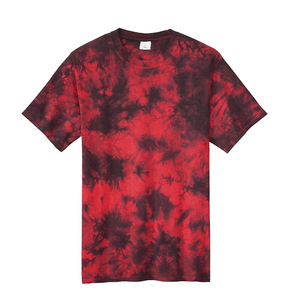
Direct-from-factory custom apparel execution backed by 3,000+ pattern blocks, certified organic raw materials, and strict CE standard quality assurance.
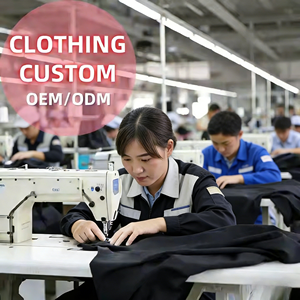
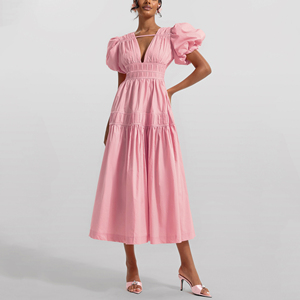
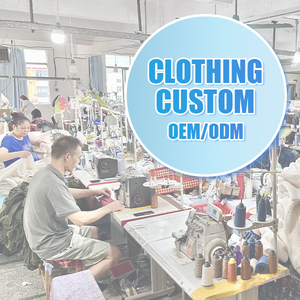
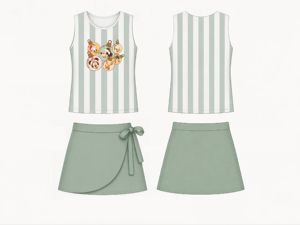
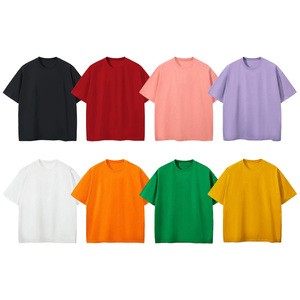
In an evolving global textile economy defined by stringent European Union regulatory directives, heightened consumer demand for chemical safety, and the imperative for absolute supply chain transparency, commercial buyers require far more than generic cut-and-sew contractors. Navigating international compliance—specifically CE Certification (Regulation EU 2016/425 for Personal Protective Equipment & technical workwear) alongside EN ISO 13688 general requirements—demands vertically integrated manufacturing control, documented yarn traceability, and advanced material engineering.
This technical whitepaper outlines the structural advantages of direct-factory OEM/ODM apparel manufacturing, detailing the operational frameworks, material science innovations, quality management protocols, and future procurement vectors that empower brand owners, enterprise retailers, and industrial workwear distributors to maximize profit margins while neutralizing compliance risks.
CE marking on apparel signifies compliance with essential health, safety, and environmental protection standards established for products sold within the European Economic Area (EEA). While basic fashion garments do not require CE compliance, specialized activewear, protective workwear, outdoor countrywear, and technical apparel fall under strict European safety frameworks.
Our manufacturing infrastructure in Ludhiana, Punjab (India) operates under fully documented ISO quality management standards, producing CE-ready garment series certified for tensile strength, colorfastness under heavy industrial washing, tear resistance, and non-toxicity.
Establishes mandatory ergonomic performance, aging characteristics, size designation, and non-hazardous chemical composition. Ensures raw textiles present no skin irritation or carcinogens (zero Azo dyes, heavy metals, or phthalates).
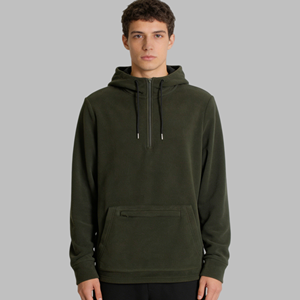
Categorizes protective activewear, agricultural apparel, and thermal jackets. Factory audit trails guarantee mechanical risk defense (puncture and abrasion resistance) for heavy-duty fleece and workwear hoodies.
Guarantees full chemical compliance for input yarns, reactive dyes, zip trims, and printed graphics. Every batch of 100% combed organic cotton and bamboo viscose undergoes rigorous spectrochemical verification.
Below is a breakdown of our standard physical and chemical quality metrics enforced across custom OEM/ODM production runs:
| Testing Metric | Industry Standard Target | NG Apparels Factory Standard | Commercial Benefit |
|---|---|---|---|
| Dimensional Stability (Shrinkage) | < 5.0% after 5 washes | < 2.0% (Knit) / < 1.0% (Woven) | Eliminates post-wash sizing distortion in streetwear & casualwear |
| Color Fastness to Washing & Rubbing | Grade 3-4 (ISO 105-C06) | Grade 4-5 (100% Certified Dyes) | Prevents color bleeding across multi-tone tie-dye & contrasting trims |
| Tensile & Tear Strength | EN ISO 13934-1 compliant | Exceeds ISO standard by +25% | Maximizes longevity in agricultural workwear & outdoor quarter-zips |
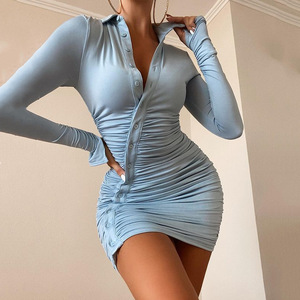
| Pilling Resistance | Grade 3 (2,000 rubs) | Grade 4-5 (Martindale 10,000+ rubs) | Maintains premium surface texture on brushed fleece & linen dresses |
| Defect Rate Tolerance | AQL 2.5 Major / 4.0 Minor | AQL 1.5 Major / < 5% Minor | Drastically minimizes retail customer returns and chargebacks |
The primary point of failure in international apparel sourcing is the reliance on third-party trading agents and non-integrated sourcing brokers. Sourcing agents introduce margin inflation, dilute technical specifications during translation, and frequently distribute proprietary tech packs to unverified sub-factories, exposing fashion labels to intellectual property theft.
Founded in 1981 in Ludhiana, Punjab, NG Apparels operates as a family-run, vertically integrated clothing manufacturer and fabric export house. Spanning three generations of apparel craftspeople on the same integrated factory floor, we combine traditional spinning and knitting expertise with modern CAD/CAM pattern grading and automated cutting systems.
From 140 GSM single jersey knit to 400 GSM heavy brushed fleece, we engineer raw textiles to exact buyer specifications, controlling stretch, hand-feel, and GSM density from yarn selection onward.
Accelerate prototype development with our pre-graded pattern block library across men's, women's, streetwear, sportswear, and linen silhouettes, cutting sampling lead times to 7–14 days.
Zero agent circulation. Artwork, pattern digital CAD files, and proprietary tech packs remain exclusively within our internal server architecture under formal non-disclosure agreements (NDAs).
100% fair-wage compliance, zero child labor, flexible working arrangements, and leadership positions held by master craftswomen with 20+ years of floor experience.
The global apparel manufacturing landscape is undergoing a systemic transition toward bio-based fibers, low-impact wet processing, hyper-customization, and agile supply chain structures. Procurement officers and brand strategists must adapt to several defining macro trends:
Brands are pivoting away from virgin synthetic polyesters toward GOTS-certified organic cotton, bamboo viscose, and recycled PET fleece blends. Transactional scope requires lot-level traceability documentation from yarn spinning to final garment packing.
Demand for oversized, drop-shoulder luxury streetwear tees (240–300 GSM) and custom cloud tie-dye treatments has surging globally. Success requires enzyme-pre-washed fabrics that maintain structured drape without harsh chemical odor.
Modern consumers expect multi-functional performance in daily wear. Advanced wet-end treatments—such as C0 DWR (durable water repellency), antimicrobial silver ion coatings, UV-cut 50+, and stain-resistant finishes—are now essential features.
Executing a seamless custom apparel manufacturing run requires structured coordination. Our end-to-end OEM/ODM production workflow spans three precise phases designed to eliminate errors and maintain strict delivery schedules.
Submit vector artwork, measurement charts, fabric GSM preferences, and trim specifications. Our merchandising team conducts a structural feasibility audit, identifies cost-optimization vectors, and provides a binding quote within 24 hours.
We cut and stitch a physical prototype for fit, seam elasticity, and fabric drape verification. Upon buyer approval, our master pattern engineering team grades the full size spectrum (XS to 5XL) and issues Pre-Production (PP) samples for final sign-off.
Bulk production runs over 4–6 weeks. Garments undergo inline and end-line AQL inspections, individual polybagging, barcode labeling, and moisture-sealed master carton packaging, followed by air or ocean door-to-door freight dispatch.
Addressing critical operational, regulatory, and logistics queries for international brand managers, procurement directors, and fashion entrepreneurs:
Our standard working MOQ is typically 300 pieces per style, which can be split across multiple colorways and a complete size run. For styles utilizing stock-supported, premium fabrics (such as standard 100% cotton jersey or 320 GSM fleece), we offer flexible lower-tier starting runs. Custom-milled fabric developments or custom yarn-dyeing projects require higher minimums due to industrial vat lot constraints.
We utilize raw inputs (yarns, dyes, zippers, drawcords) exclusively sourced from ISO-certified yarn spinners and accredited chemical labs. Every batch of protective workwear, outdoor quarter-zips, or medical scrubs undergoes physical strength, colorfastness, and chemical safety testing. Formal third-party test reports (Intertek / SGS / TÜV) are provided upon request.
The total factory lead time ranges from 7 to 9 weeks: 1 week for initial tech pack engineering and cost estimation, 2 weeks for physical prototype creation and PP sample approval, and 4 to 6 weeks for bulk industrial manufacturing and final quality inspection. Air freight adds 5–8 days for delivery, while ocean sea freight requires 4–6 weeks depending on the destination port.
Yes. We regularly manufacture hoodies, oversized tees, loungewear, and baby apparel using 100% GOTS certified organic cotton, bamboo viscose, and recycled polyester blends. Transactional certificates (TCs) and lot-level raw material traceability documents are supplied alongside export shipments to validate your brand's sustainability claims.
Because NG Apparels operates as an in-house manufacturer without third-party sourcing agents, your tech packs are never circulated to outside sub-factories. All vector artwork, custom pattern blocks, and brand tech packs are archived under password-protected server accounts bound by legally enforceable Non-Disclosure Agreements (NDAs).
Partner directly with a family-owned Indian manufacturing export house. Request our master fabric swatches, technical capabilities overview, and wholesale catalog today.