Certified protective wear solutions manufactured to exacting EU PPE Regulation 2016/425 standards, engineered for extreme durability, ergonomic comfort, and photometrical excellence.
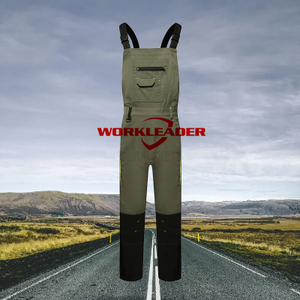
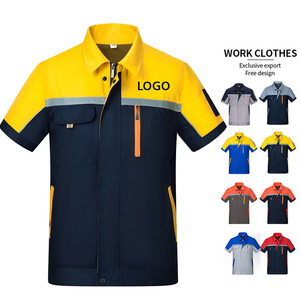
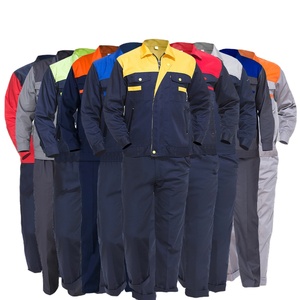

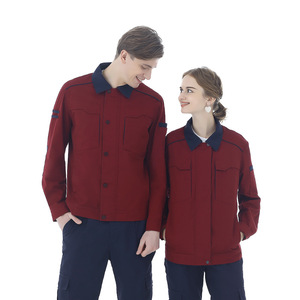
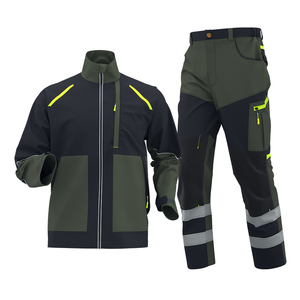
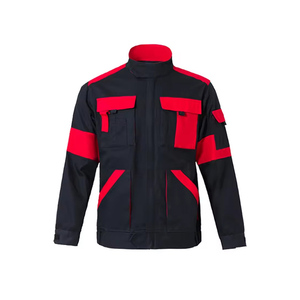
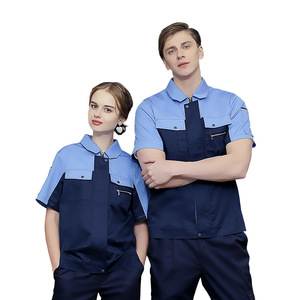
Operating directly out of our Ludhiana manufacturing complex, NG Apparels offers complete vertical integration—from raw yarn spinning and custom fabric weaving to pattern making, precision stitching, and door-to-door international logistics.
By bypassing third-party sourcing agents, your proprietary tech packs, safety specs, and retroreflective pattern blueprints remain strictly confidential. Directly working with our engineering team guarantees 100% clear technical communication, eliminating middleman markups and reducing production lead times by up to 21 days.
Unlike standard stock-garment distributors, we manufacture circular-knitted and woven fabrics matched precisely to your required GSM (from 120 GSM ultra-light mesh to 350 GSM heavy-duty oxford polyester). We engineer custom colorfastness, anti-pilling mechanical finishes, and flame-retardant chemistries at the mill level.
Our Ludhiana production facility operates under strict ethical guidelines. We guarantee fair living wages, safe ergonomic working environments, zero child labor, and flexible work schedules for female garment technicians. Our transparent open-door policy welcomes client audits and live virtual video walkthroughs.
Selecting a verified CE certified safety vest manufacturer requires an in-depth understanding of Personal Protective Equipment (PPE) Regulation (EU) 2016/425. Compliance is not merely placing reflective strips onto neon fabric; it involves photometric chromaticity performance, retroreflective coefficient validation ($R_A$), and rigorous Module B (EU Type Examination) and Module D (Quality Assurance of Production) audits.
EN ISO 20471:2013+A1:2016 mandates specific minimum surface areas of visible background fluorescent material and retroreflective tape. As a direct manufacturer, we engineer garments to satisfy all three distinct safety tiers:
The fluorescent background material must fall within precise color coordinates $(x, y)$ measured by a spectrophotometer under standard Illuminant D65. Our fluorescent yellow, fluorescent orange-red, and fluorescent red fabrics undergo strict colorfastness testing against daylight, perspiration, and industrial laundering (ISO 105 series).
| Compliance Standard | Target Region | Min. Class 2 Reflective Coefficient ($R_A$) | Primary Industrial Applications |
|---|---|---|---|
| EN ISO 20471:2013 | European Union / Global | ≥ 330 cd/(lx·m²) [Glass bead / Prismatic] | Highway, Rail, Construction, Maritime, Aviation |
| ANSI/ISEA 107-2020 | North America | ≥ 330 cd/(lx·m²) [Type R Performance] | DOT Roadways, Commercial Construction, Municipalities |
| AS/NZS 1906.4:2010 | Australia / New Zealand | ≥ 330 cd/(lx·m²) [Class F/R Material] | Mining, Infrastructure, Freight Transport & Logistics |
Depending on working microclimates, safety vest manufacturing relies on structural fabric selection:
As enterprise ESG targets intensify and regulatory bodies update occupational health frameworks, safety vest procurement is shifting from low-cost commodity purchasing to sustainable, technologically integrated protective assets.
Enterprise buyers across Europe and North America are prioritizing supply chain decarbonization. Future procurement contracts increasingly mandate Global Recycled Standard (GRS) verified rPET safety vests made from post-consumer plastic bottles. Combined with non-toxic OEKO-TEX Standard 100 certified fluorescent dyes, eco-friendly vests allow major construction conglomerates to hit Scope 3 emissions targets while maintaining full EN ISO 20471 compliance.
High-volume commercial fleet operators and construction firms are replacing manual PPE tracking with embedded, washable passive RFID tags. Encapsulated in heat-resistant silicone shells, these tags track vest issue dates, worker allocation, and total wash cycle counts. This ensures vests are automatically retired before reflective degradation compromises worker safety on-site.
Procurement heads are consolidating single-use safety vests into multi-norm protective wear. Modern high-vis vests are engineered to incorporate arc-flash protection (EN ISO 11612), anti-static carbon fiber grid threading (EN 1149-5), and liquid chemical splash resistance (EN 13034), allowing a single vest inventory to serve multi-hazard petrochemical, utility, and heavy-manufacturing environments.
Historically, unisex safety vests suffered from poor fit compliance, introducing snag hazards and restricting movement. Future procurement standards demand dedicated women’s protective tailoring (tapered waistlines, side-slit gussets, adjusted armholes) alongside expanded plus-size runs (up to 7XL), ensuring equal protection, comfort, and professional appearance for all workers.
How advanced textile engineering, micro-prismatic optics, and active illumination are reshaping the next generation of personal protective equipment.
Traditional glass-bead reflective tape degrades rapidly when wet or soiled. Advanced micro-prismatic retroreflective technologies utilize internal corner-cube reflectors bonded to vinyl backings, maintaining over 500 cd/(lx·m²) brightness even during heavy rain downpours and harsh marine wash-downs.
Passive reflective tape requires an external light source (such as vehicle headlights) to illuminate the wearer. Next-generation safety vests feature flexible, washable LED optical fiber strips powered by rechargeable lithium-polymer batteries, ensuring 360-degree visibility in total darkness or dense fog environments.
Heat stress is a major safety hazard in outdoor construction. Modern fabric development integrates micro-encapsulated Phase Change Materials (PCMs) within high-vis polyester knits. These thermoregulating linings absorb excess body heat when temperatures spike, releasing stored heat when temperatures drop.
Everything enterprise purchasing heads need to know about certified factory audits, minimum order quantities, private labeling, and export logistics.
Our standard MOQ for fully customized high-visibility safety vests is typically 300 pieces per style, which can be split across standard size runs (S through 5XL) and colorways. For stock-supported fluorescent fabrics, lower initial trial quantities can be accommodated. Custom yarn dyeing or mill-level specialized fabric development requires higher lot sizes based on dye vat capacities.
Every batch of high-visibility background fabric and retroreflective tape undergoes third-party lab testing (such as SATRA, TÜV Rheinland, or SGS) to verify chromaticity, luminosity factor, and retroreflective performance after repeated wash cycles. We provide complete EU Declaration of Conformity (DoC) documentation, Module B Type-Examination certificates, and technical files with every bulk export shipment.
Yes. We specialize in private label OEM/ODM manufacturing. We offer screen printing, high-density heat transfer logos, custom silicone badges, woven neck tags, barcoded hangtags, and individual polybag packaging. Our pattern master cutters can engineer specialized pocket configurations, clear ID card holders, radio loops, heavy-duty D-rings, and mic tabs directly onto your custom safety vests.
The typical timeline spans 7 to 9 weeks in total: 1 week for tech pack review and preliminary cost engineering, 2 weeks for physical prototype creation and pre-production sample (PP sample) sign-off, and 4 to 6 weeks for bulk factory production. Door-to-door delivery takes roughly 5 to 8 days by air freight or 4 to 6 weeks by ocean freight depending on your destination port.
All garments are folded individually and sealed inside heavy-duty, moisture-impermeable polybags. Packed goods are consolidated in heavy double-wall corrugated export cartons sealed with waterproof tape and exterior strap bands. Moisture-absorbing silica gel packs are inserted into every carton to eliminate mold risk during ocean transit through high-humidity maritime routes.
Because NG Apparels owns and operates its manufacturing facilities in Ludhiana without relying on external sourcing agents or middleman job-shops, your technical blueprints, measurement charts, artwork vector files, and pattern grading blocks remain securely locked within our internal CAD database under non-disclosure agreements (NDAs).
Consult with our engineering merchandisers to review your safety vest specifications, request certified fabric lab swatches, or receive an itemized factory direct price quotation within 24 business hours.