High-durability OEM/ODM tactical suits, ripstop coveralls, and high-visibility protective uniforms engineered for global defense, engineering, and security sector procurement.
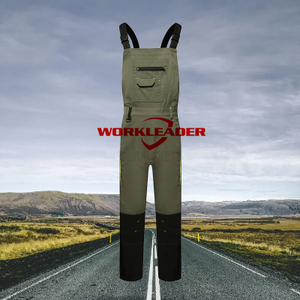
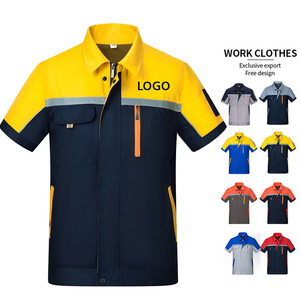
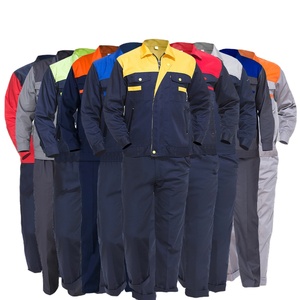

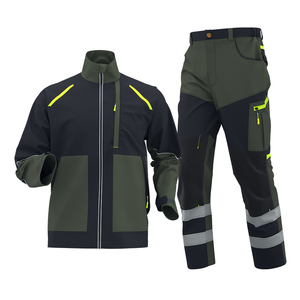
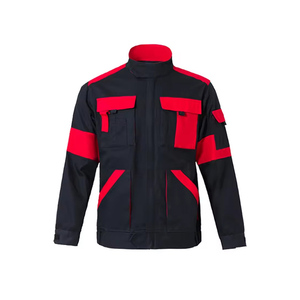
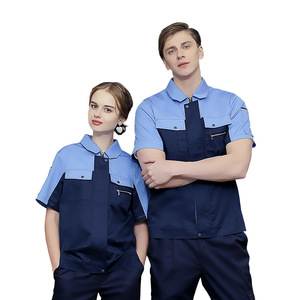
An authoritative technical guide on EU Personal Protective Equipment Regulation (EU 2016/425), fabric tensile engineering, and tactical supply chain validation.
Tactical gear and industrial workwear destined for European markets must comply strictly with Personal Protective Equipment (PPE) standard Regulation (EU) 2016/425. This certification enforces rigorous third-party auditing covering ergonomic comfort, non-toxicity of dyes (OEKO-TEX Standard 100), and mechanical protection.
Equipment is divided into Category I (minimal risk), Category II (intermediate risks such as mechanical cutting, thermal exposure, or high-visibility requirement EN ISO 20471), and Category III (life-threatening risks including chemical splatter and extreme thermal flash). Reliable OEM factories implement full lot-traceability for yarn, thread, and hardware components.
Tactical outerwear relies on high-tenacity CORDURA® nylon, Kevlar® reinforced weaves, and combed cotton-poly ripstop blends. Standard laboratory evaluation requires passing ISO 13934-1 (tensile strength) and ISO 13937-2 (tearing resistance via the Elmendorf method).
Cross-hatched reinforcement grids (e.g., 5mm x 5mm ripstop spacing) prevent tear propagation under extreme shear force. Modern tactical engineering incorporates 4-way stretch Nylon-Spandex panels around the crotch, knees, and lumbar regions to provide unconstrained mobility without degrading outer structural integrity.
For military, law enforcement, and electrical workshop applications, garments must withstand radiant flame and molten metal splash under EN ISO 11612 standards. Industrial chemical treatments (such as Pyrovatex® or Proban®) or inherent aramid fibers (Nomex®) are utilized during textile formation.
Fibers undergo vertical flame testing where zero char-length propagation and no aftermarket melting are permitted. Additionally, antistatic carbon filaments (EN 1149-5) are woven directly into grid patterns to prevent static discharge in combustible petroleum or aerospace industrial zones.
Operating continuously since 1981 in Ludhiana, India, NG Apparels brings 45 years of integrated vertical textile manufacturing, zero-middleman cost structures, and certified technical garment engineering.
Unlike sourcing brokers who outsource sewing across fragmented workshops, ourLudliana facility controls circular knitting, high-capacity weaving, technical dyeing, pattern grading, and automated stitching under one certified roof.
This eliminates double-markup sourcing margins, prevents design leakage to third parties, and ensures absolute batch-to-batch color consistency (delta E < 0.8) under spectral lab analysis.
Developing ergonomic tactical workwear from scratch can add 4 to 6 weeks to sampling timelines. Our internal pattern database houses over 3,000 field-tested, pre-graded CAD blocks engineered for international size ranges (S through 6XL).
Whether customized with multi-pocket load-bearing placement, radio loops, or reinforced knee pad slots, prototyping is completed in under 14 business days with over 99% first-sample technical precision.
Tactical procurement extends beyond mechanical durability; modern international buyers require verified human rights standards and ethical worker treatment. Our Ludhiana export factory operates under strict fair-trade principles: zero child labor, transparent audited payroll, equal-opportunity female leadership in QA and Supervisory teams, and flexible work schedules.
Furthermore, we regularly produce certified GOTS organic cotton, recycled polyester (GRS certified), and eco-friendly bamboo fiber tactical linings, providing buyers with full documentation trail from raw yarn source to delivered container shipping.
Comparative analytical matrix designed for B2B procurement teams and military textile engineers selecting optimal shell materials.
| Fabric Type | Composition & Weight | Tensile Strength (ISO 13934) | Abrasion Cycles (Martindale) | CE Certification Standard | Target Operational Environment |
|---|---|---|---|---|---|
| High-Tenacity Nylon Ripstop | 90% Nylon 6,6 / 10% Spandex (240 GSM) | > 1800 N | > 100,000 Cycles | EN ISO 13688 / Category II | Special Forces, Mountain Warfare, Tactical Police |
| Heavy-Duty Poly-Cotton Canvas | 65% Polyester / 35% Cotton (300 GSM) | > 1400 N | > 50,000 Cycles | EN ISO 20471 / EN 340 | Heavy Construction, Engineering Overalls, Logistics |
| Inherent Aramid Blend | 93% Nomex / 5% Kevlar / 2% P140 (200 GSM) | > 2100 N | > 80,000 Cycles | EN ISO 11612 (A1, B1, C1) | Electrical Workshop, Pilot Flight Suits, Naval Defense |
| Moisture-Wicking Elastic Synthetic | 88% Polyester / 12% Spandex (180 GSM) | > 950 N | > 35,000 Cycles | OEKO-TEX Class 1 / CE Cat I | Summer Tactical Undergarments, Mechanics Uniforms |
How smart textiles, sustainable synthetics, and near-infrared stealth technology are reshaping global defense apparel contracts.
Modern military procurement mandates that tactical fabrics suppress thermal signatures under Night Vision Goggles (NVGs). Advanced OEM suppliers utilize spectral-dye formulation to match NIR reflectance curves between 600nm and 1200nm wavelengths.
By preventing troops from glowing under infrared illumination, NIR-compliant uniforms significantly enhance battlefield survival in modern electronic warfare arenas.
Tactical operators and field mechanics often wear uniforms continuously for days in tropical or arid zones. Future workwear specifications integrate permanent SILVADUR™ silver-ion antimicrobial treatments and fluorine-free Durable Water Repellent (DWR) C0 finishes.
These bio-friendly eco-coatings repel water, oil, and sweat staining without degrading fabric breathability or releasing harmful PFAS chemicals into ecosystems.
Traditional heavy stitched webbing is rapidly being replaced by laser-cut synthetic composite panels (Hypalon/Cordura Laminates). Laser-cut MOLLE systems reduce overall tactical vest weight by up to 30% while eliminating thread fraying.
Concurrently, kinetic patterning incorporates articulated knee gussets, expandable stretch crotches, and internal neoprene pad pockets that flex naturally with human musculature movement.
Global defense agencies are actively diversifying away from single-source manufacturing hubs to mitigate geopolitical tariff disruptions and port bottlenecks. India’s vertically integrated cotton and synthetic textile corridors offer a secure, cost-efficient export alternative.
With door-to-door air freight lead times of 5-8 days and sea container routes reaching European and North American ports seamlessly, Indian manufacturing hubs provide reliable strategic agility.
Detailed technical answers regarding factory compliance, minimum order quantities, testing lab reports, custom tech packs, and production timelines.
Our standard working MOQ is typically 300 pieces per style, which can be split across standard colorways and a complete size range (S to 3XL). For styles utilizing stock-supported high-tenacity fabrics, initial orders can start at lower quantities. However, custom-dyed pantones or specialized inherent flame-retardant fabric developments require larger volume commitments due to fixed mill vat dyeing lot sizes.
Every fabric lot intended for CE compliance undergoes pre-production testing at accredited third-party laboratories (such as SGS, TÜV Rheinland, or Intertek). We provide comprehensive lab test reports covering tear resistance (ISO 13937-2), tensile strength (ISO 13934-1), color fastness to wash and light (ISO 105), and non-toxicity certificates (OEKO-TEX Standard 100) prior to cutting bulk production.
Total lead time generally spans 7 to 9 weeks: 1 week for CAD pattern engineering and tech pack feasibility sign-off; 2 weeks for prototype sample cutting and pre-production (PP) buyer approval; and 4 to 6 weeks for bulk garment manufacturing, inline AQL 1.5/2.5 inspection, and export packing. International air freight adds 5 to 8 days, while sea freight takes 4 to 6 weeks depending on destination port.
Yes, absolutely. Because we operate as a direct factory manufacturer without trading agents or middleman brokers, your proprietary tech packs, camouflage artwork, and custom sizing blocks never leave our internal system. We sign legally binding bilateral NDAs prior to file transfer, and all CAD patterns are archived securely in dedicated client folders for future repeat orders.
Yes. We source international brand-specified hardware including YKK® heavy-duty tactical zippers, VELCRO® brand hook-and-loop fasteners, Duraflex® quick-release buckles, and 3M™ Scotchlite™ reflective tapes (compliant with EN ISO 20471 Class 2/3). All metal trims are nickel-free, rust-resistant, and tested for salt-spray endurance.
Our primary manufacturing infrastructure is located at 270-A, Industrial Area-A, Ludhiana 141003, Punjab, India (approx. 45 minutes by air from New Delhi). Buyers and third-party inspection teams (e.g., QIMA, SGS, Bureau Veritas) are welcome for inline and final AQL audits. We also facilitate live remote video walkthroughs of active sewing and packaging lines on request.
Connect directly with our engineering team to request detailed product catalogs, physical fabric hand-swatches, laboratory certification reports, and factory-direct pricing quotes within 24 hours.