Explore our export-certified product lines optimized for high-performance apparel, athletic wear, luxury hoodies, and heavy-duty outerwear.
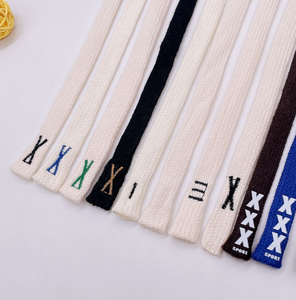
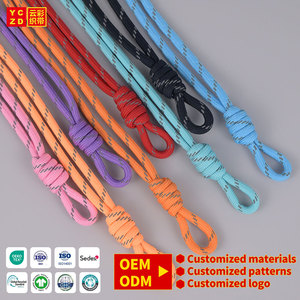
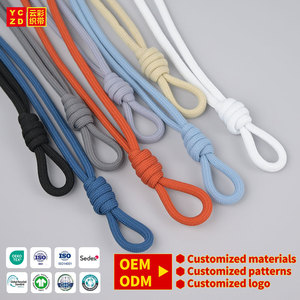
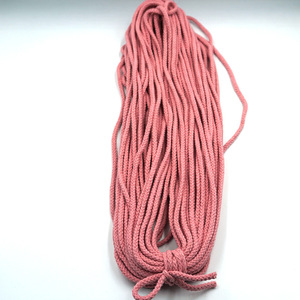
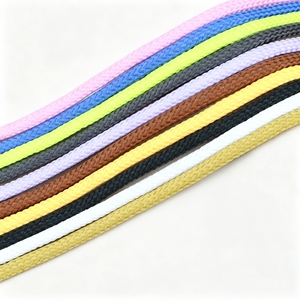
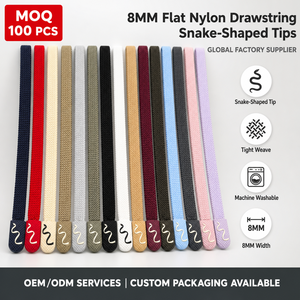
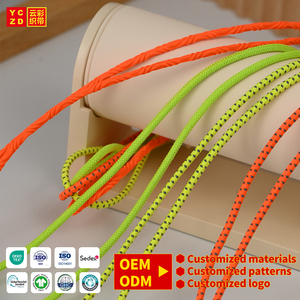
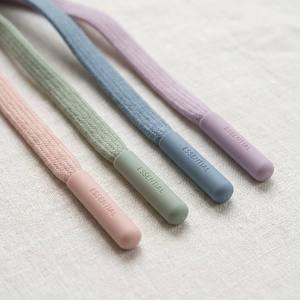
With over 45 years of collective textile engineering heritage, our facility operates at the nexus of high-speed automation, stringent metallurgical tipping processes, and certified sustainable chemical finishes. We bridge the gap between global brand design offices and bulk textile production.
We control polymer melting, DTY texturizing, and high-temperature pressurized yarn dyeing under one roof. This guarantees lot-to-lot color consistency (Delta E < 0.8) and eliminates middleman lead-time markups.
Our raw materials comply fully with REACH, OEKO-TEX Standard 100 Class I (safe for baby wear), and GOTS organic standards. Free from heavy metals, forbidden azo dyes, phthalates, and harmful NPEOs.
From transparent bio-acetate dipping and matte silicone dipping to laser-etched zinc alloy metal aglets, our automated high-speed tipping lines ensure peel strength ratings exceeding 120 Newtons.
A comprehensive engineering breakdown for sourcing directors, garment technologists, and apparel supply chain managers.
The mechanical performance of an apparel drawstring is fundamentally governed by its constituent fiber polymer. Sourcing teams must navigate three core categories based on functional end-use:
Draw Textured Yarn (DTY) Polyester: Manufactured via continuous texturizing of POY. Offers optimal elasticity, bulkiness, and exceptional colorfastness to light and laundering. Ideal for activewear and mass-market hoodies.
Nylon 6,6 High-Tenacity Filament: Delivers superior tensile strength and abrasion resistance compared to standard polyester. Selected for heavy-duty military apparel, tactical outerwear, and high-impact sports pants.
Combed Long-Staple Cotton: Provides an organic, matte aesthetic with superior knot retention. Ring-spun cotton reduces surface pilling, while paraffin wax coatings impart water resistance and a sleek structured drape.
Drawstring cord stability is dictated by braiding geometry (plait count) and core composition. Plaiting density determines surface smoothness, stretch resistance, and aglet adhesion:
16-Plait vs. 32-Plait Construction: A 16-plait braid creates a coarse, pronounced texture with high mechanical grip. A 32-plait braid creates a dense, silky-smooth outer shell designed for high-resolution jacquard logos and smooth eyelet gliding.
Core-Spun Dynamics: Solid cords utilize an inner filler core (polyester yarn or rubber strands). A core-spun structure prevents flat collapsing under tension, preserving a perfectly circular cross-section during garment wear.
| Cord Type & Material | Standard Diameter | Tensile Strength (N) | Color Fastness (Grade) | Recommended Apparel Application |
|---|---|---|---|---|
| 32-Plait Core-Spun Polyester | 5.0mm - 8.0mm | > 450 N | Grade 4.5 (ISO 105-C06) | Heavyweight Hoodies, Streetwear Sweatpants |
| Waxed 100% Combed Cotton | 4.0mm - 6.0mm | > 320 N | Grade 4.0 (ISO 105-X12) | Luxury Casualwear, Heritage Outerwear |
| Nylon 66 Flat Tubular Braid | 8.0mm - 12.0mm | > 600 N | Grade 4.5 (ISO 105-B02) | Tactical Gear, High-End Athletic Bottoms |
| Reflective Elastic Core Cord | 3.0mm - 5.0mm | > 280 N (180% Stretch) | Grade 4.0 (AATCC 61) | Running Jackets, Night Safety Activewear |
Standard heat-sealed acetate film applied via automatic tipping machinery. Clear, black, or color-matched. Provides a flush finish compatible with automated eyelet threading machines.
The cord ends are submerged in liquid silicone elastomer and vulcanized at high temperatures. Creates a flexible, rubberized tactile tip that resists cracking during commercial laundry cycles.
Premium metallic caps attached via mechanical crimping or micro-screw fixations. Finishes include gunmetal, brushed brass, matte black, and electroplated gold with custom laser logos.
Key technological transformations shaping global supply chains, regulatory mandates, and product development.
Global apparel brands are phasing out virgin synthetic fibers. Recycled polyester derived from ocean-bound plastic bottles offers identical tensile performance while reducing carbon footprints by up to 45%.
Integration of micro-glass bead glass fibers directly into the 32-plait braid matrix. Enhances urban runner visibility and fulfills ISO 20471 high-visibility safety criteria without sacrificing softness.
Replacing traditional petroleum acetates with PLA (Polylactic Acid) and wood-pulp derived bio-plastics that naturally decompose in industrial composting facilities within 180 days.
Laser engraving scannable micro-QR codes directly onto metallic aglets. Enables fashion brands to provide digital product passports (DPP), verifying authenticity and material origin.
Critical benchmarks for evaluating Chinese narrow fabric suppliers to mitigate lead-time risks and quality disputes.
When selecting a manufacturer in China, ensure they maintain an in-house laboratory equipped with digital tensile testing rigs, spectrophotometers for color matching, and washing colorfastness testers.
Demand lab dip approvals under standard lighting conditions (D65, TL84, CWF) prior to committing to bulk yarn dyeing. Verify yarn denier tolerances (± 2%) to prevent uneven cord thickness across dye lots.
Drawstring defects typically occur during the aglet crimping or cutting phase. Establish an Acceptable Quality Limit (AQL) of 1.0 for major defects (e.g., loose aglets, frayed tips, off-tone color migration).
Test aglet pull-off force by applying a continuous perpendicular load. Industrial standards require a minimum retention force of 80N for children's wear (safety compliance) and 120N for adult garments.
Direct answers to common procurement, technical customization, and export logistics queries.
Send us your tech pack, target specifications, or Pantone references. Our engineering team provides custom feasibility analysis and instant quotation within 24 hours.