Discover our high-performance technical apparel line crafted from sustainable bamboo blends, reinforced polyester, and specialized antimicrobial fibers for global B2B procurement.
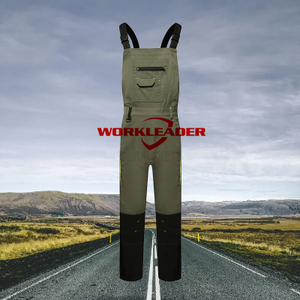
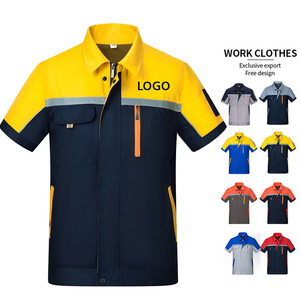
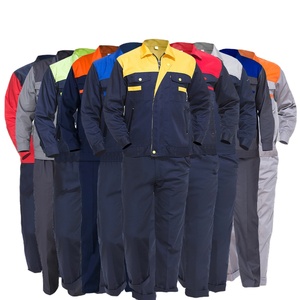

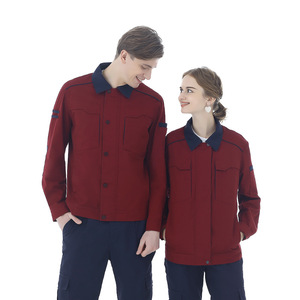
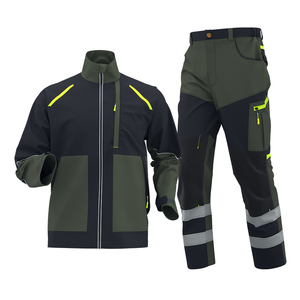
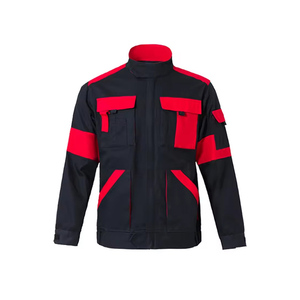
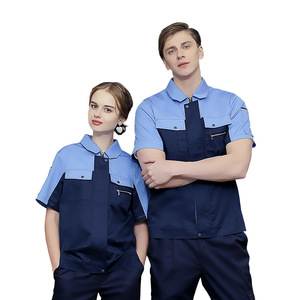
Quantifiable manufacturing excellence backed by four decades of textile engineering, closed-loop processing, and direct global export.
An authoritative guide for enterprise procurement officers, fashion brands, and industrial workwear sourcing managers navigating China's bamboo textile suppliers.
China commands over 70% of the world's commercial bamboo biomass, primarily centered on Phyllostachys edulis (Moso bamboo). Leading mills source exclusively from FSC-certified (Forest Stewardship Council) managed plantations in Zhejiang, Fujian, and Jiangxi provinces. Unlike conventional cotton, Moso bamboo matures within 3 to 5 years without synthetic pesticides, chemical fertilizers, or artificial irrigation, offering an unprecedented ecological footprint for scale apparel manufacturing.
Global procurement teams must differentiate between the three core processing routes. Bamboo Viscose (Rayon) utilizes sodium hydroxide and carbon disulfide, refined in modern Chinese plants with 95%+ chemical recovery. Bamboo Lyocell (NMMO Process) represents the gold standard of eco-friendly manufacturing, operating on a 99.7% closed-loop organic solvent loop. Mechanical Bamboo Linen (Bast Fiber) uses natural enzyme retting to extract pure mechanical fibers, delivering high-tenacity, slubbed textures similar to traditional flax linen.
Laboratory test benchmarks demonstrating the physical properties, moisture regain, and antibacterial performance of premier Chinese bamboo fabrics.
| Fabric Property / Metric | 100% Bamboo Lyocell | Bamboo / Organic Cotton (60/40) | Bamboo / Poly Workwear Blend | Conventional Comb Cotton |
|---|---|---|---|---|
| Moisture Regain Rate (%) | 13.0% - 14.5% | 11.2% - 12.0% | 7.5% - 8.5% | 8.5% |
| Dry Tensile Strength (cN/dtex) | 3.2 - 3.8 | 2.8 - 3.2 | 4.5 - 5.2 | 2.2 - 2.6 |
| Antibacterial Reduction (Staph) | > 99.1% (JIS L1902) | > 92.5% | > 85.0% (Treated) | < 15.0% |
| UV Protection Factor (UPF) | UPF 50+ (Natural) | UPF 40+ | UPF 35+ | UPF 15+ |
| Industrial Wash Cycle Life | 60+ Cycles | 80+ Cycles | 120+ Cycles | 45 Cycles |
| Standard Yarn Counts (Ne) | 20s, 30s, 40s, 60s, 80s | 24s, 32s, 40s | 16s, 20s, 32s | 16s - 40s |
Key market shifts driving global B2B supply chains, compliance requirements, and material innovation over the next decade.
By late 2026, European and North American customs standards will enforce full trace-to-plantation visibility. Top Chinese bamboo suppliers are embedding QR-enabled Digital Product Passports (DPP) tracking raw reed harvesting in Yibin or Anji all the way to greige spinning, wet processing, and final container dispatch.
Environmental regulations across Eastern China have mandated Zero Liquid Discharge (ZLD) infrastructure. Modern dyeing mills recycle up to 98% of process water using reverse osmosis and multi-stage evaporators, minimizing chemical effluents while securing stable production during peak environmental audit seasons.
The boundary between eco-apparel and heavy industrial workwear is dissolving. Supply chains are rapidly adopting intimate blends of bamboo micro-fibers with high-tenacity nylon 6,6, aramid, or recycled PET to produce flame-retardant, static-free, highly durable uniforms with natural moisture management.
Why tier-1 global apparel brands and commercial procurement groups partner directly with our vertically integrated Chinese mills.
By eliminating trading companies and third-party sourcing agents, we streamline technical communications directly between your design team and our master textile engineers. This direct structure prevents translation errors, reduces procurement margins by 15-22%, and protects proprietary patterns under strict non-disclosure agreements.
Accelerate your time-to-market. Our CAD pattern repository holds over 3,000 pre-graded blocks spanning workwear bib overalls, technical outerwear, medical scrubs, and activewear. First-article sampling is completed within 7 to 10 working days, backed by 3D digital draping software.
Every meter of fabric undergoes automated optical inspection for slubs, color consistency, and yarn flaws. Garments are audited under strict ISO 9001 and AQL 1.5/4.0 standards. Colorfastness, dimensional stability after washing, and seam strength reports are issued with every export container.
Our mills adhere to WRAP, SMETA (SEDEX 4-Pillar), and OEKO-TEX Standard 100 Class I specifications. Fair wages, ergonomic workstations, transparent payroll, and flexible shifts ensure zero labor turnover among key craftspeople, preserving high stitching consistency.
From initial tech pack analysis to sealed export shipping, our streamlined sequence guarantees project execution in 7 to 9 weeks.
Timeline: 1 Week
Submit your design specs, required GSM, pantone colors, and target measurement charts. Our textile laboratory prepares physical lab dips and lab strike-offs for color and hand-feel sign-off.
Timeline: 2 Weeks
We craft full pre-production (PP) samples featuring exact trims, woven labels, custom embroidery, and anti-static or water-repellent chemical finishes. Patterns are digitized and graded across all sizes.
Timeline: 4-6 Weeks
Bulk knitting/weaving runs on high-speed circular and rapier looms. Garments are inline inspected, steam finished, sealed in moisture-proof export cartons, and dispatched via FOB/CIF air or sea freight.
Answers to key technical, logistical, and commercial queries raised by global apparel buyers and supply chain managers.
Connect directly with our engineering team today for technical data sheets, sample swatch books, and direct-from-mill wholesale quotes within 24 hours.