Explore our engineered activewear, athletic sets, and heavy-duty performance uniforms. Vertically manufactured with custom GSM, 4-way stretch nylon-spandex blends, and reinforced seam construction.
An authoritative deep-dive into supply chain dynamics, technical fabric synthesis, vertical mill integration, and quality assurance benchmarks for wholesale activewear sets.
In the modern athletic apparel ecosystem, sourcing activewear sets directly from vertically integrated Chinese manufacturers yields a decisive cost and engineering advantage. Unlike regional assembly units that rely on third-party fabric jobbers, a true vertical manufacturer controls the entire production chain: raw yarn procurement (DTY/FDY nylon and spandex), circular gauge knitting (28G to 40G high-density machinery), batch dyeing, mechanical finishing, pattern grading, and automated laser cutting.
This end-to-end control minimizes fabric shade lot variations (∆E < 0.8), guarantees precise Grams per Square Meter (GSM) tolerances within ±3%, and ensures strict adherence to color fastness standards under ISO 105 protocols. For B2B importers, private labels, and corporate wholesalers, working with direct China mills removes middleman commission layers (saving 15–22% on FOB costs) while providing complete transparency over fiber integrity.
The global shift toward high-performance activewear sets has redefined technical textile requirements. Premium activewear relies heavily on micro-denier Nylon 6.6 blended with high-grade Elastane (Spandex) ranging from 15% to 28% concentration. Nylon 6.6 provides superior tensile strength (burst strength > 350 kPa), exceptional soft hand-feel, and enhanced heat resistance during sublimation printing or silicone logo heat transfers.
Concurrently, modern ESG imperatives have driven the widespread adoption of GOTS-certified organic cotton, bamboo viscose, and Global Recycled Standard (GRS) certified post-consumer recycled polyester (rPET). Chinese mills lead the industry in applying chemical and mechanical finishes, such as hydrophilic moisture-wicking coatings, silver-ion (Ag+) antimicrobial treatments (preventing odor-causing bacteria growth), UPF 50+ UV shielding, and PFC-free durable water repellency (DWR).
Strategic market projections for athletic apparel buyers, brand directors, and supply chain managers.
By 2026, over 60% of tier-one activewear retailers will require complete traceability for raw materials. China's leading mills are pioneering closed-loop water recovery systems in dye houses, recycling up to 85% of process water. Synthetic fabrics are shifting toward bio-based polyamides derived from castor bean oil, significantly reducing carbon footprints without compromising elasticity or durability.
Traditional cut-and-sew activewear is rapidly giving way to high-gauge seamless circular knitting technology (Santoni machinery). Seamless activewear sets feature target-zone ventilation, graduated compression mapping for muscular stability, and zero-chafing flat-seam structures, cutting garment waste by 30% during manufacturing.
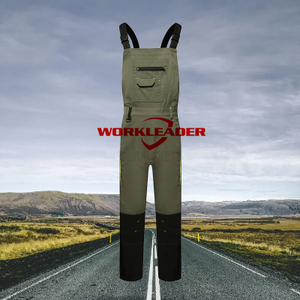
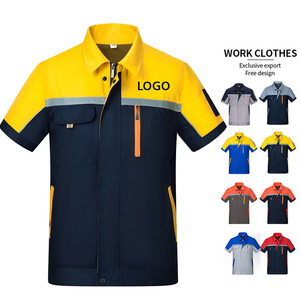
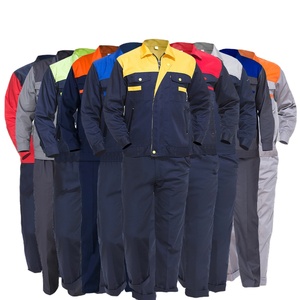
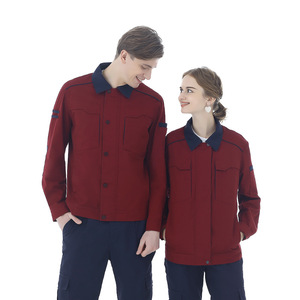
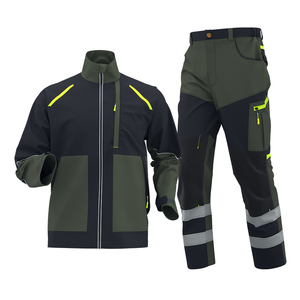
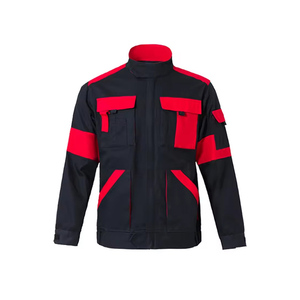
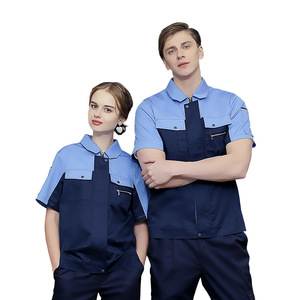
The line between performance activewear, lifestyle lounge sets, and utility workwear is blurring. Buyers are seeking multi-functional activewear sets constructed with heavy-duty spandex-blended twills, reflective safety accents, anti-wrinkle properties, and ergonomic gussets that transition seamlessly from physical labor to athletic conditioning.
A quantitative comparison matrix evaluating material standards, quality control tolerances, and production capabilities.
| Evaluation Parameter | Direct OEM China Factory (NG Apparels Standard) | Generic Wholesale Market Vendors |
|---|---|---|
| Fabric Composition & Weight | Custom engineered GSM (140-400 GSM); Exact fiber blend ratio verified via lab testing. | Stock fabrics with variable GSM (±15% variance); Unverified polyester ratios. |
| Color Fastness (ISO 105) | Grade 4.0 to 5.0 for washing, perspiration, and light exposure; Azo-free certified dyes. | Grade 2.5 to 3.5; Risk of color bleeding and unverified chemical dyes. |
| Seam Strength & Stitching | 4-Needle 6-Thread ISO 607 Flatlock seam; Reinforcement bartacks at stress points. | Standard 3-thread overlock; Prone to seam popping under high elastic stress. |
| Dimensional Stability | Shrinkage locked within < 3% after 20 commercial wash cycles (ISO 6330). | High shrinkage rates (> 7–10%); Shape distortion after initial laundering. |
| Quality Control Protocol | Inline AQL 1.5 / 2.5 Master Inspection; 100% metal/needle detection check. | Random spot checks; High minor and major defect rates (> 8%). |
| IP Protection & Tech Pack Security | Strict Non-Disclosure Agreements (NDAs); In-house CAD pattern archiving. | Designs often recirculated to sub-factories or sold on open markets. |
Backed by 45+ years of continuous garment export experience, our facility bridges technical innovation with ethical manufacturing excellence.
Because we operate direct manufacturing floors without sourcing agents or third-party intermediaries, your proprietary tech packs, vector artwork, and custom pattern blocks remain strictly confidential. Every project is archived in protected digital servers linked directly to your brand account.
Our master pattern makers utilize computerized CAD systems with over 3,000 pre-graded activewear blocks on file. We deliver initial physical fit prototypes within 7 to 10 days of tech pack sign-off, accelerating your time-to-market and reducing sampling revision cycles.
Our facility operates under strict fair-trade principles: zero child labor, transparent audited payrolls, fair living wages, and comprehensive safety management protocols (BSCI and Sedex SMETA audited). We offer certified eco-friendly materials backed by GOTS and OEKO-TEX Standard 100 documentation.
Clear answers to crucial questions regarding minimum order quantities, lead times, custom fabric development, and export logistics.
Our standard working MOQ is 300 sets per style/colorway, which can be split across a full size run (XS to 3XL). For orders utilizing stock-supported technical fabrics, MOQs can start at 150 to 200 sets. Custom yarn-dyed or bespoke fabric developments require higher volumes due to mill dye-lot minimums.
The complete production cycle typically spans 7 to 9 weeks: 1 week for tech pack evaluation and lab dip approval, 2 weeks for physical pre-production sample sign-off, and 4 to 6 weeks for bulk sewing, QC inspection, and export packing. Air freight delivery takes 5–8 days, while sea freight transit ranges from 3 to 5 weeks depending on destination port.
Yes. As a custom fabric manufacturer, we engineer knitted and woven textiles to your exact specifications. Provide us with your target GSM (e.g., 220 GSM 80/20 Nylon Spandex), desired compression level, and Pantone TPX/TCX codes. We provide physical lab dips and fabric swatches for buyer sign-off prior to bulk knitting.
We implement a three-tier Quality Assurance protocol following AQL 1.5/2.5 standards: (1) Raw material inspection for tensile strength, GSM, and color fastness; (2) Inline sewing inspection checking flatlock seam integrity, stitch density (10-12 stitches per inch), and measurement tolerances; (3) Final 100% garment inspection, needle detection, and export carton sealing.
Absolutley. We offer full OEM private labeling services including high-density woven neck labels, heat-transfer size prints, custom rubber/silicone badges, branded zipper pullers, eco-friendly recycled polybags, and custom retail hangtags printed with EAN/UPC barcodes.
We support standard international B2B trade terms including T/T (Telegraphic Transfer), L/C at sight, and Irrevocable Letters of Credit. Shipments are supplied with complete export paperwork: Commercial Invoice, Packing List, Certificate of Origin (Form E/FTA available), Bill of Lading, and material testing certificates.
Submit your design blueprints, tech packs, or sample inquiry. Our senior textile merchandising team will evaluate your technical specifications and provide a competitive FOB quotation within 24 hours.
Inquire Now