Engineered for high-durability environments, industrial laundries, and multi-hazard bio-protection. Directly manufactured with certified wash resistance.
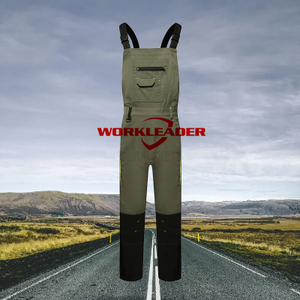
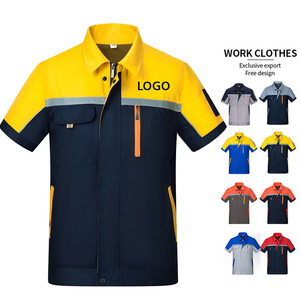
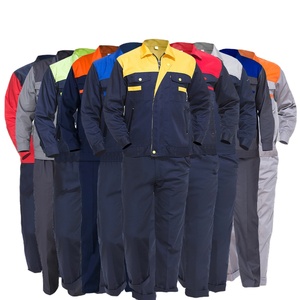

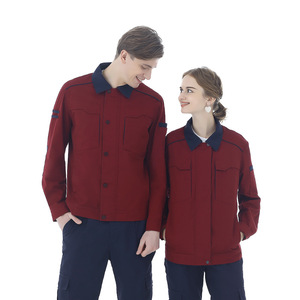
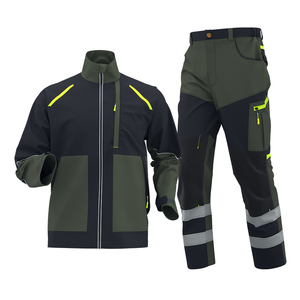
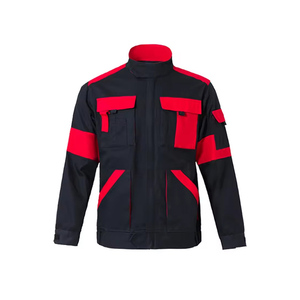
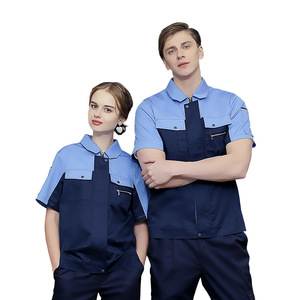
In the modern global industrial landscape, functional textiles have evolved far beyond basic physical protection and visual standardization. The demand for China wholesale antimicrobial fabric factories and direct OEM workwear manufacturers has surged due to heightened hygiene standards across healthcare, food processing, electronics manufacturing, construction, and heavy logistics industries. Antimicrobial fabrics are engineered to inhibit the growth of bacteria, fungi, algae, and viruses, thereby preventing fabric degradation, malodor development, and cross-contamination in hazardous work environments.
Understanding the technical complexities of antimicrobial textile integration requires analyzing both fiber science and surface chemistry. As a vertically integrated manufacturer with decades of specialized export experience, our facility combines spinning, knitting, weaving, functional finishing, and full garment assembly under one rigorous Quality Management System (QMS). By eliminating intermediaries and sourcing agents, procurement teams gain direct oversight over yarn composition, agent bonding mechanics, and international compliance testing.
Information Gain Insight: Standard surface-topical antimicrobial sprays deteriorate within 10 to 15 domestic wash cycles. High-tier industrial workwear requires masterbatch fiber melt-spinning integration or covalent organosilane chemical grafting, ensuring >99.9% antibacterial efficiency even after 50+ commercial high-temperature laundering cycles at 60°C.
Antimicrobial functionality in textiles is achieved through two main chemical methodologies: leaching (bound/unbound release) mechanisms and non-leaching (covalently bonded) mechanisms. Selecting the right mechanism depends on the end-use environment of the workwear coverall or protective uniform.
Why leading global apparel brands, industrial conglomerates, and safety distributors partner directly with our specialized manufacturing mill.
From raw yarn procurement, circular knitting, and shuttleless loom weaving to precision dyeing, antimicrobial finishing, pattern CAD design, and direct export dispatch. Total in-house control guarantees zero material substitution.
Every fabric lot undergoes rigorous laboratory testing for AATCC 100, AATCC 147, ISO 20743, and JIS L 1902 antibacterial performance. We supply traceable batch certification and safety documentation with every shipment.
Your tech packs, artwork, custom measurements, and proprietary fabric construction profiles are retained strictly within our internal system. We operate under strict non-disclosure agreements (NDAs) to protect your brand identity.
Selecting the optimal fabric specification for industrial workwear requires balancing tensile strength, breathability, abrasion resistance, and antimicrobial wash longevity. The table below outlines our standardized fabric offerings engineered for wholesale procurement.
| Fabric Composition | GSM Range | Antimicrobial Technology | Wash Fastness (Cycles) | Primary Industrial Applications |
|---|---|---|---|---|
| 65% Polyester / 35% Cotton Ripstop | 210 - 240 GSM | Silane Quat Covalent Bond | 50+ Industrial Launderings | Construction Eng, Mechanics, Field Overalls |
| 100% Polyester Heavy Duty Interlock | 260 - 320 GSM | Silver Nano-Particle Masterbatch | 100+ Domestic Launderings | Labor Protection Uniforms, Outerwear Jackets |
| 90% Nylon / 10% Spandex 4-Way Stretch | 160 - 190 GSM | Zinc Pyrithione Finishing | 30+ Active Laundries | Precision Mechanics, Workshop Technicians |
| 100% Premium Combed Cotton | 180 - 220 GSM | Bio-Based Chitosan Extract | 40+ Eco Launderings | Electrical Workshop, Cleanroom Base Layers |
| 80% Cotton / 20% Polyester Blend | 190 - 230 GSM | Dual Ag+ / Anti-Odor Complex | 60+ Commercial Launderings | Auto Repair, Logistics, Summer Work Coveralls |
The global industrial protective apparel market is undergoing rapid technological convergence. Procurement executives, safety officers, and private label apparel brands must align their supply chain strategies with emerging regulatory standards and material innovations.
Regulatory bodies such as EU REACH, US EPA (FIFRA), and OEKO-TEX are tightening restrictions on unbound heavy metal runoff from industrial laundries. Modern procurement strategies prioritize non-leaching organosilane chemistry and bio-functional polymers that permanently bind to the fiber matrix, preventing chemical shedding into aquatic ecosystems during washing.
Single-function textiles are rapidly becoming obsolete in industrial B2B sourcing. Buyers increasingly specify multi-hazard protective fabrics that seamlessly integrate:
Traditional manufacturing contracts demanded massive minimum order quantities (MOQs) of 5,000+ pieces per colorway. Advanced China wholesale factories now utilize digital pattern grading, automated fabric spreading, and stock-supported custom yarn programs to offer Low MOQ flexible production runs (starting at 300 pieces per style). This enables private label brands to test new market niches without tying up excessive working capital.
A common pitfall in lower-tier workwear manufacturing is sacrificing worker comfort for physical durability. Professional engineers, mechanics, and site operators require dynamic range of motion, thermal regulation, and structural fabric resilience.
Industrial uniforms undergo continuous stress at high-friction zones including knees, elbows, shoulders, and pocket corners. Our fabric development team utilizes reinforced Ripstop cross-hatch weaving structures (incorporating high-tenacity filament polyester alongside soft combed cotton yarns). Tensile strength is evaluated using the ASTM D5034 Grab Test and Martindale Abrasion Resistance testing (ISO 12947-2), reaching over 50,000 friction cycles without yarn rupture.
Maintaining air permeability (ISO 9237) while applying functional liquid/antimicrobial coatings requires specialized stenter frame drying controls. By precisely regulating chemical liquor pick-up percentages (typically 65% - 75% wet pick-up) during the pad-dry-cure process, our finishing engineers ensure that micro-pores within the yarn structure remain unblocked. This preserves natural breathability and moisture vapor transmission rates (MVTR > 5000 g/m²/24h), keeping workers cool in high-temperature factory environments.
Quality Assurance Protocol: Every shipment of workwear coveralls and jackets passes an AQL 1.5 Major / 2.5 Minor inspection protocol. Garments undergo dimensional stability testing (AATCC 135) to ensure shrinkage remains strictly under ±3% after repeated industrial laundering.
Direct technical and commercial guidance for purchasing managers, importers, and brand owners.
Our standard working MOQ is 300 pieces per style for garments using factory-supported fabric colors. For fully custom-dyed pantone fabrics or specialized fiber masterbatch formulations, the MOQ is typically 1,000 meters per colorway to accommodate yarn dyeing lot sizes.
We perform batch-level testing using international standard methods including AATCC 100 (Quantitative Antibacterial Evaluation), AATCC 147 (Halo Zone Quality Test), and ISO 20743. Official lab reports from accredited third-party labs (SGS, Intertek, or TÜV) can be arranged upon request.
Yes. We offer complete OEM/ODM customized branding services including embroidery, screen printing, high-frequency heat transfer logos, custom woven neck labels, hangtags, and EN ISO 20471 certified reflective strip applications.
Sample prototype development takes 7 to 10 working days. Upon pre-production sample approval, bulk manufacturing requires approximately 4 to 6 weeks depending on garment complexity. Global air freight transit takes 5–8 days, while sea freight ranges from 3 to 5 weeks.
We utilize organosilane covalent crosslinking agents and silver-ion masterbatch extrusion techniques specifically engineered to withstand commercial laundry temperatures up to 60°C – 75°C and alkaline wash conditions without losing antibacterial efficacy.
Yes. Our in-house pattern masters and merchandising specialists can translate physical garment samples or rough design sketches into complete technical tech packs, including measurement charts, grading scales, and fabric GSM specifications.
Elevate your private label product line or corporate workwear contract with factory-direct pricing, certified technical performance, and full supply chain transparency.
Contact Us