
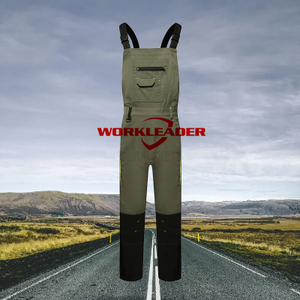
Customized Unisex Breathable Plus Size Contrast Bib Overall Uniform
Fabric: Cotton/Poly/Spandex Blend
Weight: 240 - 280 GSM
Feature: Breathable & Ergonomic Stretch
Inquire Now
Explore our core OEM product capabilities engineered with elastic stretch memory, tear-resistant nylon-spandex weaves, and moisture-wicking technology for activewear and industrial environments.

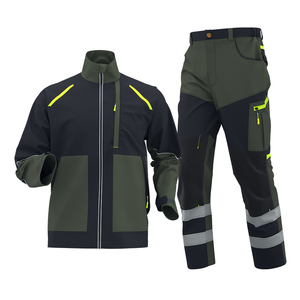
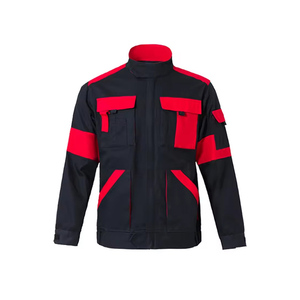
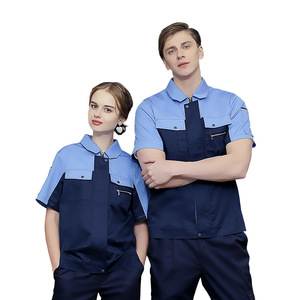
A comprehensive technical overview for textile engineers, procurement officers, and private label apparel founders evaluating OEM Spandex (Elastane) production facilities.
Spandex (polyether-polyurea copolymer) consists of soft polymer segments that provide long elongation capacity and hard urethane segments that link molecular chains to prevent permanent deformation. In OEM factory settings, achieving optimal stretch recovery requires exact thermo-fixation parameters during heat setting on stenter frames (typically 185°C to 195°C).
Improper heat setting leads to spandex degradation, loss of module recovery, and fabric curling. Our vertically integrated mill controls tensionless dyeing and stenter stabilization to maintain dynamic stretch retention over 100+ industrial wash cycles.
When engineering stretch fabrics for medical, athletic, or heavy workwear applications, yarn wrapping technology is critical:
| Fabric Classification | Composition Ratio | Weight (GSM) | Elongation Capacity | Key OEM Application |
|---|---|---|---|---|
| Nylon High-Compression Spandex | 75% Nylon 6,6 / 25% Spandex | 220 - 320 GSM | 180% - 220% (4-Way) | Performance Activewear, Cycling Bibs, Compression Sleeves |
| Polyester Mechanical Workwear Stretch | 92% Poly / 8% Spandex | 180 - 260 GSM | 120% - 140% (2-Way/4-Way) | Quick-Dry Workshop Uniforms, Factory Overalls, Scrubs |
| Cotton-Rich Heavyweight Stretch Twill | 96% Cotton / 4% Spandex | 260 - 340 GSM | 25% - 40% (Comfort Flex) | Construction Pants, Tactical Work Wear, Industrial Jackets |
| Sustainable Recycled Eco-Spandex Blend | 85% rPET / 15% Recycled Elastane | 200 - 280 GSM | 150% - 180% (4-Way) | GOTS / GRS Certified Sustainable Activewear & Apparel |

Operating from Ludhiana, India since 1981, NG Apparels brings three generations of textile mastery under one roof. Unlike sourcing agents who add 15-30% middleman margins and circulate confidential buyer tech packs across unvetted sub-factories, our vertical infrastructure integrates circular knitting, woven fabric milling, pattern grading, custom dyeing, and garment assembly into a seamless supply chain.
This single-roof control eliminates communication lag, ensures absolute design confidentiality, and maintains strict adherence to buyer measurement charts with a first-sample accuracy rate exceeding 99%.
Request Factory Virtual TourKey shifts driving global supply chain procurement strategies for fashion brands, workwear distributors, and technical apparel companies over the next decade.
Global buyer regulations (such as the EU Digital Product Passport) are pushing factories away from virgin petroleum-derived spandex toward bio-succinic acid elastane and GRS-certified recycled spandex blends. OEM mills with lot-level yarn traceability documents will gain significant procurement priority.
Traditional rigid workwear is rapidly losing market share to hybrid spandex-cotton work uniforms. Modern utility workers, mechanics, and logistics technicians demand 4-way mechanical stretch ripstop fabrics that permit full range-of-motion without compromising abrasion resistance.
B2B procurement orders increasingly stipulate post-dyeing chemical functionalization. OEM buyers now demand antimicrobial silver-ion treatments for medical scrubs, UPF 50+ UV blockers for outdoor construction gear, and non-PFC water-repellent (DWR) coatings integrated into stretch textiles.
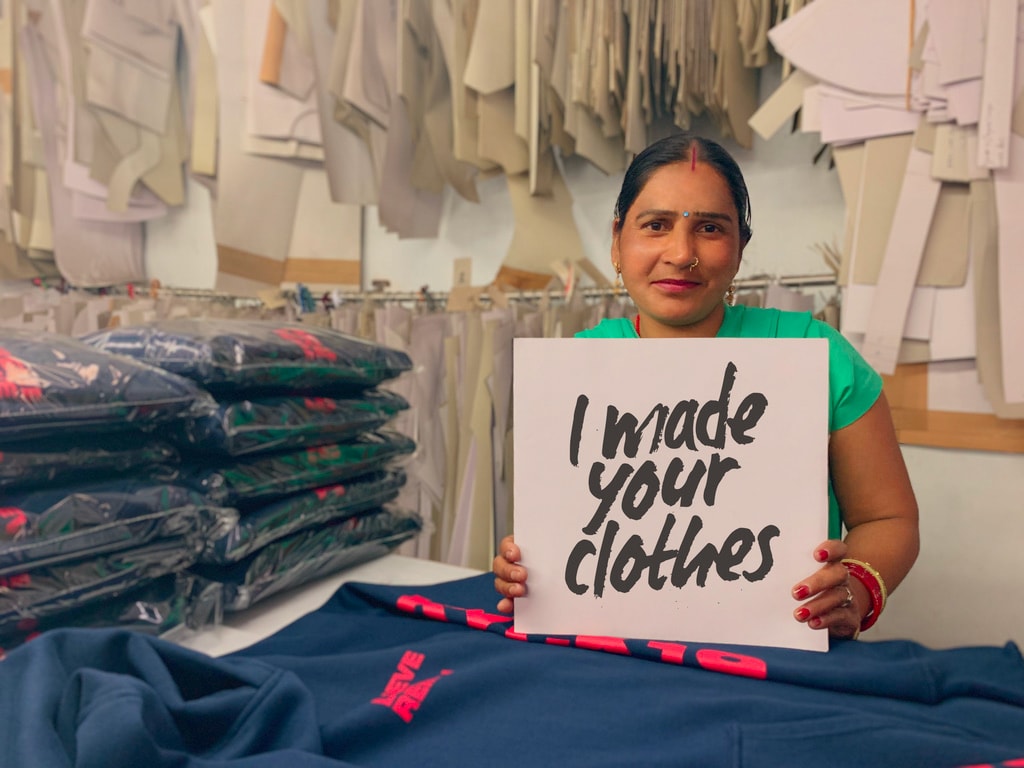
Our Ludhiana manufacturing complex operates under strict fair-trade principles. With fair living wages, safe ergonomic work environments, and no child labor, our experienced seamstresses and pattern masters bring over two decades of technical expertise to every stitch.
Every bulk order undergoes three-stage quality inspection:
Addressing essential technical, logistical, and commercial inquiries for brands sourcing spandex and custom workwear fabrics directly from OEM factories.
Our standard working MOQ for custom dyed or engineered spandex fabric formulations is typically 300 to 500 pieces per style/colorway. For stock-supported yarn structures or running fabric bases, MOQs can start significantly lower. Custom yarn-dyeing runs require fixed lot sizes to guarantee color consistency across batches.
Spandex filaments are sensitive to excess thermal exposure and oxidative atmospheric yellowing. We utilize high-grade antioxidants during yarn wrapping and control our stenter frame heat-setting temperatures within strict ±2°C windows. Furthermore, all synthetic elastane stretch fabrics are washed using chlorine-neutralizing agents during finishing.
Typically, plan for 7 to 9 total weeks for factory execution: 1 week for technical pack audit and costing, 2 weeks for prototype pattern cutting and pre-production (PP) sample approval, and 4 to 6 weeks for bulk knit/weave, dyeing, assembly, and final QC. Air shipping takes 5–8 days, while sea freight requires 4–6 weeks depending on destination port.
Yes. We regularly manufacture activewear, hoodies, and workwear using GOTS-certified organic cotton blended with spandex, as well as GRS-certified recycled polyester/spandex. Full lot-level transaction certificates (TCs) and supply chain traceability documents are provided with every delivery.
Because NG Apparels is a direct family-owned mill without third-party sourcing agents, your tech packs, CAD pattern blocks, and proprietary fabric blends remain inside our Ludhiana plant. We execute non-disclosure agreements (NDAs) prior to tech pack review and store all digital patterns on secure, buyer-segregated servers.
Upon request, every fabric lot can be supplied with accredited lab testing reports covering ASTM D2594 (Elastic Properties of Low-Power Woven/Knit Fabrics), dimensional stability after washing (shrinkage <3%), color fastness to perspiration and rubbing (Grade 4+), and seam slippage resistance.