Factory-direct OEM/ODM solutions utilizing recycled polyesters, organic cottons, and ergonomic tear-resistant weaves tailored for global engineering and industrial safety standards.
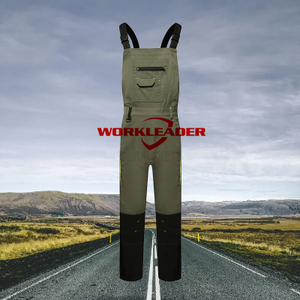
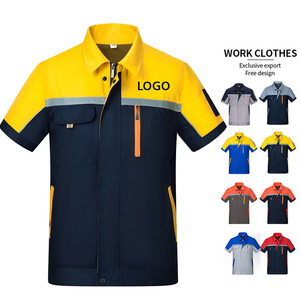
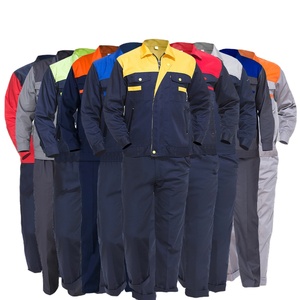

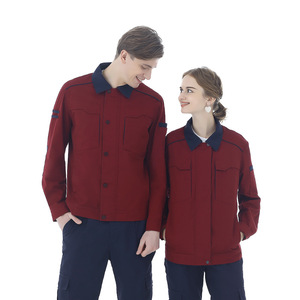
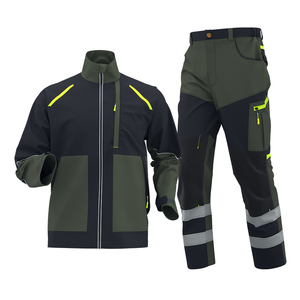
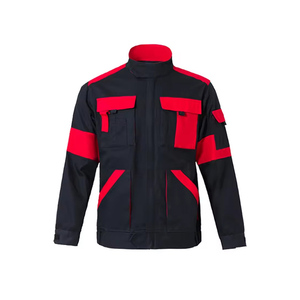
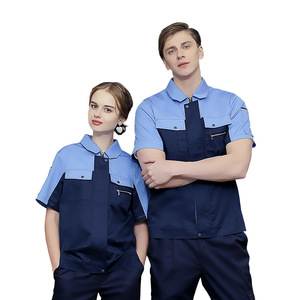
Combining over 45 years of industrial apparel manufacturing heritage with modern closed-loop sustainable fabric innovation.
We operate fully vertically integrated circular knitting, weaving, eco-dyeing, pattern making, and garment assembly facilities under one roof in Ludhiana, India. By eliminating third-party sourcing agents, your tech packs stay 100% confidential and pricing remains transparent.
Our sustainable material inventory includes GOTS-certified organic cotton, Global Recycled Standard (GRS) post-consumer recycled polyester (rPET), eco-viscose bamboo, and linen blends. Transaction certificates (TC) are provided per shipment lot to guarantee audit authenticity.
We engineer specialized functional finishes directly onto raw fabrics: PFC-free Durable Water Repellency (DWR), bio-based antimicrobial barriers, UPF 50+ UV protection, flame retardancy, and oil/stain repellency tested to ISO and ASTM international standards.
An in-depth analysis of regulatory shifts, material engineering advancements, and circular supply chain requirements for global fashion brands and workwear procurement managers.
The global textile manufacturing landscape is undergoing a systemic transition driven by strict European Union Eco-Design for Sustainable Products Regulation (ESPR) and mandatory Corporate Sustainability Due Diligence Directives (CSDDD). Enterprise buyers are no longer assessing suppliers solely on FOB unit costs; Scope 3 carbon footprint performance and water stewardship are now critical procurement metrics.
As a leading OEM/ODM sustainable fabrics factory, our facility incorporates Zero Liquid Discharge (ZLD) effluent treatment systems, recycling up to 92% of process water during yarn dyeing and fabric finishing. By shifting from coal-fired boilers to biomass energy inputs, our textile mill has reduced embedded carbon per kilogram of finished fabric by 34% compared to conventional Asian manufacturing hubs.
A major historical challenge in sustainable workwear sourcing was the compromise between eco-friendly materials and extreme mechanical performance requirements (such as high tensile strength, tear resistance, and color fastness under high-temperature washing). Modern raw material engineering has bridged this gap.
By blending high-tenacity GRS recycled polyester filaments with long-staple organic combed cotton, our R&D lab produces hybrid twill and ripstop fabrics ranging from 140 GSM to 400 GSM. These fabrics match or exceed traditional virgin synthetic workwear textiles in ISO 13934-1 strip tensile testing while reducing petroleum-based resin dependency by over 65%.
Verified lab parameters demonstrating how engineered eco-fabrics deliver uncompromising durability for industrial workwear applications.
| Fabric Parameter | Standard Virgin Poly-Cotton Workwear | NG OEM/ODM Eco-Twill Ripstop | Verification Standard |
|---|---|---|---|
| Material Composition | 65% Virgin Poly / 35% Conventional Cotton | 65% GRS Recycled Poly / 35% GOTS Organic Cotton | GRS & GOTS Certified |
| Tensile Strength (Warp/Weft) | 1100 N / 850 N | 1250 N / 940 N (Reinforced Micro-Ripstop) | ISO 13934-1 |
| Tear Resistance | 28 N | 35 N | ISO 13937-2 |
| Dimensional Stability (Industrial Wash 60°C) | ± 4.0% | < ± 2.5% (Pre-shrunk Thermo-setting) | ISO 6330 |
| Water Repellency Finish | C8 / C6 Fluorocarbon DWR | Bio-based PFC-Free DWR (Plant Derived) | AATCC 22 / ISO 4920 |
| Carbon Footprint Reduction | Baseline (0%) | -42% CO2e Savings | LCA ISO 14044 Verified |
How our OEM/ODM manufacturing facility stays ahead of international regulatory, technological, and environmental standards.
Designing workwear for end-of-life recyclability. We are expanding mono-material fabric constructions (100% Recycled Polyester or 100% Organic Cotton) that enable seamless mechanical shredding and chemical recycling without garment disassembly.
Advancing dyehouse technology beyond traditional water baths. Dry dyeing using pressurized liquid carbon dioxide completely eliminates wastewater discharge while increasing dye fixation efficiency across synthetic fibers.
Integrating thermal regulation phase-change materials (PCM) and conductive threads into durable workwear fabrics, catering to extreme industrial environment safety and mechanic ergonomic feedback.
From 3D CLO software prototyping—which reduces physical sample waste by 70%—to real-time tracking of bulk fabric knitting, dyeing, and door-to-door freight dispatch via customer dashboard portals.
Comprehensive answers regarding our OEM/ODM fabric development, minimum order requirements, sampling protocols, and international shipping logistics.
Our standard MOQ for custom-manufactured garments is 300 pieces per style, which can be split across colors and a standard size set. For specialized custom fabric development (specific GSM, custom color dyeing, or technical coatings), the MOQ relies on yarn dye lot sizes—typically starting at 500 meters for circular knits and 1,000 meters for woven textiles. Orders built on stock-supported eco-fabrics can accommodate lower trial volumes.
We provide complete Scope and Transaction Certificates (TC) for every certified fabric batch. This includes Global Organic Textile Standard (GOTS) for organic cotton, Global Recycled Standard (GRS) for post-consumer recycled polyester/nylon, and OEKO-TEX Standard 100 Class I/II certificates confirming zero harmful substance residues. Traceability documentation is issued directly with your shipping manifests.
Total factory lead time typically ranges between 7 to 9 weeks:
• Week 1: Tech pack feasibility evaluation, yarn costing, and CAD pattern grading.
• Weeks 2–3: Prototype development, lab-dip color matching, and pre-production sample (PPS) delivery.
• Weeks 4–8: Bulk fabric knitting/weaving, eco-dyeing, cutting, inline quality inspection, and garment finishing.
Door-to-door delivery takes approximately 5 to 8 days via express air freight or 4 to 6 weeks via sea ocean freight.
We operate strictly as a direct mill and manufacturer—we never utilize sourcing agents or sub-contracting third parties. All proprietary CAD patterns, tech packs, measurement sheets, and logo artwork remain strictly inside our owned Ludhiana facility under non-disclosure agreement (NDA) protocols. Your blocks are securely archived under your dedicated brand account for seamless seasonal reorders.
Yes. We specialize in adding advanced mechanical and chemical functional finishes directly to eco-friendly fabric bases. Options include PFC-free Durable Water Repellent (DWR), eco-friendly flame retardant (FR) treatments, anti-static carbon filament weaving, bio-based antimicrobial coatings, and heavy-duty industrial wash color-fastness treatments.
Our main factory and fabric mill are located at 270-A, Industrial Area-A, Ludhiana 141003, Punjab, India (conveniently accessible via short domestic flight from New Delhi). We maintain an open-door policy for physical factory visits, third-party ethical audit agencies (BSCI/SMETA), and real-time live video walkthroughs of active production lines during working hours (9 AM – 7 PM IST, Mon–Sat).
Send us your design blueprints, target GSM specifications, or garment tech packs. Our expert merchandising team provides comprehensive cost breakdowns and engineering feasibility analysis within 24 hours.