Engineered for extreme durability, ergonomic flexibility, and strict workplace safety compliance. Explore our core OEM/ODM product capabilities below.
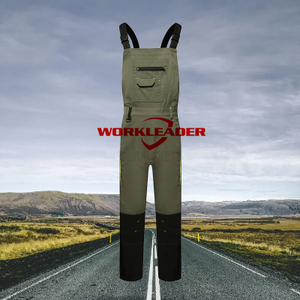
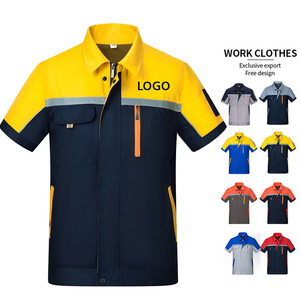
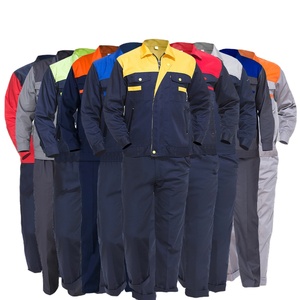

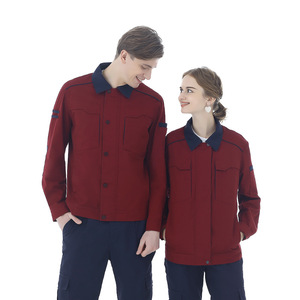
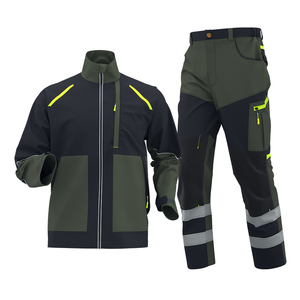
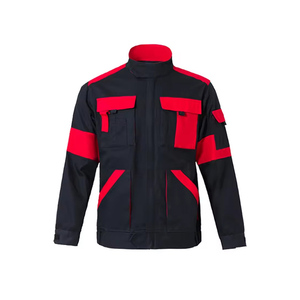
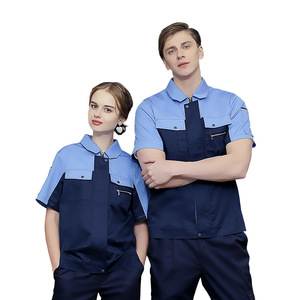
In the modern international apparel and industrial textile supply chain, brand owners, procurement directors, and corporate uniform outfitters face severe friction caused by intermediary trading houses and sourcing agents. Sourcing agents introduce margin inflation, delay critical technical modifications, and often disperse proprietary tech packs across unvetted sub-contractors, introducing risks of design infringement and quality variance.
Operating out of our fully integrated manufacturing hub in Ludhiana, Punjab, India, NG Apparels stands as a three-generation, family-owned OEM/ODM woven fabric factory and custom apparel exporter. Since 1981, we have maintained unified operational control over spinning, circular knitting, shuttleless weaving, automated dyeing, functional finishing, and custom garment construction under a single roof. This vertical integration guarantees complete traceability, uncompromising quality control, and direct communication between your procurement team and our senior textile engineers.
Comprehensive technical capabilities from raw fiber processing to finished export-ready industrial workwear.
High-tensile ripstop, heavy cotton twill, duck canvas, and mechanical stretch synthetics produced on high-speed rapier and air-jet looms with precise warp and weft control.
Engineered chemical and mechanical surface treatments including C0 PFC-free DWR (Durable Water Repellent), anti-static carbon threading, flame resistance (EN ISO 11612), and antimicrobial coatings.
Over 3,000 pre-graded master pattern blocks ready for immediate customization. Master pattern makers achieve 99% tech-pack accuracy on first prototype submissions.
Integration of retro-reflective bands certified to EN ISO 20471 Class 1, 2, and 3 standards. Double and triple-needle flat-fell stitching for load-bearing seam reinforcement.
GOTS-certified organic cotton, recycled polyester (rPET) derived from post-consumer waste, and bamboo viscose blends complete with transaction certificate (TC) traceability.
Custom barcoding, individual polybagging, water-resistant heavy-duty export carton packaging, and door-to-door air/sea freight forwarding documentation handled natively.
A comparative technical analysis of high-performance woven textiles manufactured for industrial uniform, activewear, and protective clothing buyers.
| Fabric Construction | Blend Composition | Weight Range | Tear Strength (Warp/Weft) | Primary Application | Key Compliance / Finish |
|---|---|---|---|---|---|
| Industrial Ripstop Twill | 65% Polyester / 35% Cotton | 210 - 280 GSM | ≥ 28N / 24N | Heavy Construction Overalls & Bibs | Abrasion Resistant, Color Fastness Grade 4-5 |
| High-Tenacity Stretch Canvas | 92% Nylon / 8% Spandex | 160 - 220 GSM | ≥ 35N / 30N | Mechanic & Logistics Ergonomic Workwear | 4-Way Stretch, Quick-Dry Moisture Wicking |
| Flame-Retardant Drill | 100% Treated Cotton | 300 - 350 GSM | ≥ 22N / 20N | Electrical Workshop & Welding Coveralls | EN ISO 11612, Anti-Static Carbon Thread |
| Lightweight Summer Poplin | 60% Cotton / 40% Polyester | 140 - 180 GSM | ≥ 18N / 15N | Factory Assembly & Hot-Climate Uniforms | Breathable Air Permeability > 120 mm/s |
| Sustainable Heavy Canvas | 100% GOTS Organic Cotton | 280 - 380 GSM | ≥ 25N / 22N | Eco-Friendly Private Label Apparel | GOTS Certification, Zero Harmful Dyes |
As international labor standards tighten and corporate environmental, social, and governance (ESG) mandates become binding, procurement strategies within the industrial workwear and technical apparel sectors are shifting rapidly. Procurement directors must navigate dynamic market changes driven by smart textile integration, strict chemical regulations, and supply chain agility.
Traditional 100% rigid cotton work uniforms are increasingly being replaced by engineered nylon-spandex and cotton-poly flex blends. Modern mechanics, construction engineers, and field technicians require 4-way mechanical stretch that accommodates dynamic bending and reaching without compromising seam integrity. By integrating high-tenacity nylon with elastomeric threads, factories can produce lightweight (180 GSM) uniforms that deliver 200% higher abrasion resistance than conventional 300 GSM cotton drill textiles.
Global regulatory bodies (including EU REACH and US EPA guidelines) are phasing out per- and polyfluoroalkyl substances (PFAS) historically used in liquid-repellent fabric treatments. The market has rapidly pivoted toward C0 fluorocarbon-free Durable Water Repellent (DWR) matrixes. These bio-based hydrophobic coatings modify the surface energy of woven cotton and polyester yarns, causing water and water-based industrial oils to bead up and roll off without exposing workers or manufacturing runoff to persistent fluorochemical accumulators.
Lead-time reduction is now a primary competitive differentiator. Traditional OEM sampling cycles often suffered from 4 to 6 weeks of back-and-forth pattern revisions. Modern vertically integrated mills bypass this latency by maintaining extensive digital CAD libraries containing thousands of pre-graded master blocks (coveralls, bibs, multi-pocket cargo trousers, and utility jackets). When a client submits a new tech pack, pattern masters grade and tweak established baseline blocks, reducing prototype turnaround times down to 7–10 days.
With the exponential expansion of electronics manufacturing, EV battery assembly plants, and chemical processing facilities, demand for ESD (Electrostatic Discharge) compliant workwear has surged. Modern woven manufacturing incorporates conductive grid networks of carbon-filament or stainless-steel micro-yarns spaced every 5mm to 10mm within the warp and weft. This permanently dissipates static charge accumulation, mitigating spark ignition risks in volatile workshop environments.
Clear, technical answers regarding minimum order quantities, fabric development, quality assurance, and global export shipping procedures.
Our standard production MOQ is typically 300 pieces per style, which can be split across multiple sizes and up to 2 distinct colorways. For custom yarn-dyed woven fabrics or proprietary chemical finishes requiring specialized dye-house minimums, the MOQ may scale to 500–1,000 meters of fabric. However, styles utilizing our in-stock technical base fabrics can accommodate smaller initial pilot runs for market validation.
The standard end-to-end manufacturing timeline spans 7 to 9 weeks. This includes: Week 1 for technical tech pack audit, lab-dip color matching, and bill of materials costing; Weeks 2–3 for CAD pattern grading, prototype cutting, and pre-production sample approval; Weeks 4–7 for mass weaving, dyeing, cutting, stitching, and inline AQL inspection; and Weeks 8–9 for export packing and air/sea dispatch.
Yes. We regularly produce industrial workwear compliant with EN ISO 11612 (Flame and Heat Protection), EN ISO 20471 (High Visibility), EN 1149-5 (Electrostatic Properties), and NFPA 2112. Fabric lots are independently tested for tear strength, seam slippage, dimensional stability after industrial laundering, and color fastness under ISO standards before garment cutting begins.
Because NG Apparels operates as an in-house manufacturer rather than a trading agent, your original tech packs, artwork, measurement specs, and custom logos never leave our facility. We sign formal Non-Disclosure Agreements (NDAs) prior to sample development, and all physical patterns and digital CAD files remain securely archived under your brand’s isolated account.
We strictly adhere to the AQL 2.5 / 4.0 International Inspection Standard. Quality control occurs across four distinct checkpoints: 1) Raw fabric inspection using 4-point fabric scoring systems; 2) Pre-production cut-panel audits; 3) Inline stitching inspection on active sewing lines; and 4) Final end-line garment measurement checks, metal/needle detection, and packaging verification prior to carton sealing.
Absolutely. We manufacture custom garments using GOTS-certified organic cotton, recycled polyester (GRS compliant), organic linen, and eco-friendly bamboo blends. Full transaction certificates (TCs) and raw yarn origin documentation are provided alongside shipments so that your brand’s sustainability compliance claims remain fully defensible.
Our main manufacturing complex is situated at 270-A, Industrial Area-A, Cheema Chowk, Ludhiana 141003, Punjab, India—approximately 45 minutes by air from New Delhi. We maintain an open-door policy for scheduled buyer visits, third-party ethical audits (BSCI/SMETA), and real-time video walkthroughs of active sewing and weaving lines.
Partner directly with India’s leading vertically integrated OEM/ODM woven fabric factory. Submit your tech pack or design specifications today for a rapid feasibility analysis and competitive direct-factory quotation within 24 business hours.
Inquire Now