
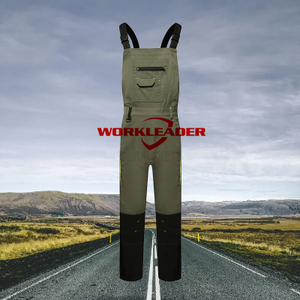
Engineered for extreme wear, industrial thermal insulation, and multi-climate utility. Manufactured in-house under strict ISO 9001 and OEKO-TEX Standard 100 specifications.
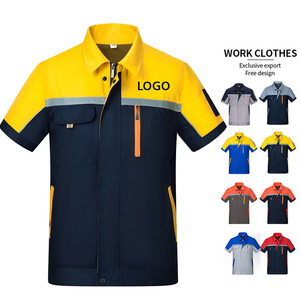
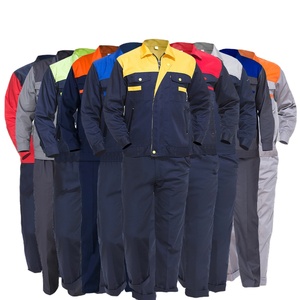

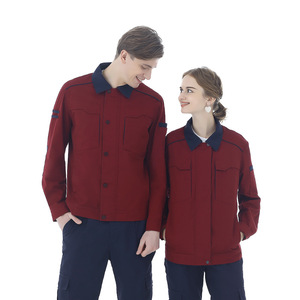
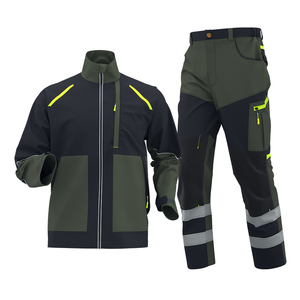
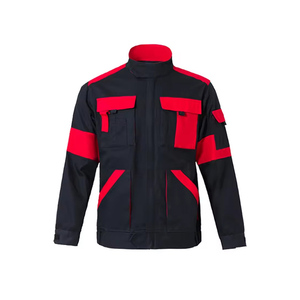
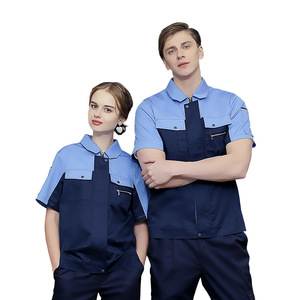
In the global apparel procurement landscape, selecting the right fleece fabric supplier requires going far beyond simple price-per-yard metrics. Fleece fabric—spanning microfleece, polar fleece, French terry, double-brushed sherpa, and technical grid fleece—is a complex knit construction dependent on precise yarn counts, napping/brushing mechanics, shearing uniformity, and anti-pilling chemical finishes. As international apparel brands, technical workwear suppliers, and outdoor apparel labels demand higher durability, thermal efficiency, and environmental compliance, identifying top-tier direct fabric mills and vertically integrated exporters has become a critical operational priority.
This industry whitepaper evaluates the top global fleece fabric supply ecosystems, analyzing key technical benchmarks, quality assurance protocols, sustainable fiber transitions (including GRS-certified recycled PET and GOTS-certified organic cotton), and direct-from-mill manufacturing advantages.
Key Procurement Insight: Sourcing fleece fabrics directly from integrated fabric mills with in-house circular knitting, dyeing, brushing, and garment sewing cuts intermediary markups by 18% to 27%, while providing total traceability for yarn lot integrity and AQL 1.5 quality compliance.
When shortlisting high-performance fleece fabric exporters, procurement directors and apparel engineers evaluate mills based on specific material parameters. Below is the standardized technical specification benchmark applied across premium fleece fabric production:
| Fleece Fabric Category | Typical Weight (GSM) | Fiber Composition | Performance Finishing | Primary Application |
|---|---|---|---|---|
| Microfleece | 140 - 200 GSM | 100% Recycled Polyester / Micro-denier Filament | Anti-Pilling Grade 4-5, Moisture Wicking | Base layers, lightweight pullovers, babywear |
| Polar Fleece | 220 - 320 GSM | 100% Polyester / Cotton-Poly Blend | Two-Side Brushed, One-Side Anti-Pill | Jackets, mid-layer thermals, industrial workwear |
| Tech Grid Fleece | 180 - 260 GSM | 92% Polyester, 8% Elastane / Spandex | 4-Way Stretch, Hydrophobic Coating, Grid Channels | Activewear, tactical gear, mountaineering mid-layers |
| Heavyweight Sherpa / Teddy Fleece | 340 - 450 GSM | Cotton/Poly blend face with High-Pile Poly back | High Thermal Retention, Soft Touch Shearing | Heavy winter outerwear, lined hoodies, work coveralls |
| Sustainable Organic Fleece | 280 - 380 GSM | 100% GOTS Organic Cotton / Recycled Blend | Enzyme Wash, Low-Impact Certified Dyes | Eco-luxury streetwear, sustainable casualwear |
Operating out of Ludhiana, Punjab—India’s historic center for textile knitting and apparel manufacturing—NG Apparels has delivered vertically integrated fabric and custom clothing manufacturing since 1981. Spanning over four decades of family-owned manufacturing legacy, NG Apparels combines old-world craftsmanship with modern circular knitting technology, direct yarn dyeing, and specialized mechanical finishing.
Unlike traditional sourcing intermediaries or buying agents who broker orders to third-party sub-contractors, NG Apparels executes the full garment cycle under one roof. This integrated structure eliminates agent commissions, prevents trade-secret leakage of custom tech packs, and guarantees absolute yarn-to-garment traceability for over 2,400 global brands across 30+ export destinations.
Why leading global fashion houses, workwear buyers, and outdoor apparel brands choose NG Apparels as their primary fabric mill and export partner.
We knit, weave, dye, brush, cut, stitch, and package under direct factory management in Ludhiana. By bypassing sourcing agents, buyers eliminate 15-25% in hidden commissions and retain direct oversight over production timelines.
Our circular knitting machinery accommodates yarn counts from 10s to 40s combed cotton, recycled polyester filaments, and elastane blends. We custom-engineer GSM (140 to 450+ GSM), pile height, and stretch profiles according to your exact tech pack specifications.
Your proprietary design blueprints, patterns, and custom fabric formulations remain entirely inside our secured infrastructure. Archived under dedicated brand accounts, your trade designs are never circulated to external third-party suppliers.
Elevate fleece garments with hydrophobic DWR (Durable Water Repellent) coatings, antimicrobial treatments, anti-static carbon filament integration, UV protection (UPF 50+), and industrial fire-retardant (FR) finishes.
Our streamlined 3-stage manufacturing process—Tech Pack Audit (1 Wk), Prototype & PP Sample Approval (2 Wks), Bulk Production & Export Packaging (4-6 Wks)—ensures your order arrives at port or door on schedule.
We supply GOTS (Global Organic Textile Standard) and GRS (Global Recycled Standard) lot-level transaction certificates with bulk shipments, defending your brand's sustainability claims in international consumer markets.
The global fleece market is undergoing a seismic technological shift driven by environmental legislation, decarbonization goals, and advancing material science. Procurement teams sourcing fleece fabric and constructed apparel must align their supply chains with three dominant industry vectors over the next decade:
Traditional polyester fleece releases micro-plastics during standard domestic laundering. Leading global exporters are investing in low-shedding filament yarn structures, mechanical shearing treatments that eliminate loose surface fibers, and ocean-degradable polyester polymers. Furthermore, closed-loop recycled PET (rPET) derived from post-industrial fabric waste—rather than merely clear plastic bottles—is fast becoming the mandatory baseline for tier-1 European and North American buyers.
Monolithic heavy fleece is increasingly replaced by engineered grid structures and hybrid composite constructions. Tech grid fleece uses interior geometric channels to trap warm air while drastically increasing moisture vapor transmission during high-exertion activities. Modern apparel production integrates these knitted grid panels with abrasion-resistant woven overlays at elbows and shoulders—a staple design trend in contemporary workwear and alpine activewear.
With environmental audits becoming a key component of Google’s E-E-A-T evaluation for manufacturer transparency, top mills in India are implementing supercritical CO2 waterless dyeing technologies and C0 non-fluorinated durable water repellents (DWR). These innovations reduce industrial effluent while meeting strict EU REACH compliance guidelines.
To transition from initial tech pack submission to door-delivered bulk product without friction, NG Apparels executes a structured three-tier workflow:
Clear, authoritative answers to essential questions regarding minimum order quantities, custom fabric development, quality standards, and export logistics.
Our standard working MOQ for private label garment production is typically 300 pieces per style, which can be split across multiple colors and a full size set. For custom fabric dyeing or special fiber development (such as custom GRS recycled polyester or specific GSM knits), MOQs start at 300 kg per color lot due to mill dyeing vat dimensions.
Pilling resistance is controlled through three stages: using high-tenacity long-staple combed cotton or micro-filament synthetic yarns, controlling the depth of mechanical wire-brushing, and applying specialized anti-pilling resin finishes during final fabric processing. We routinely achieve ASTM D3512 / ISO 12945-2 Grade 4 to Grade 5 pilling resistance ratings.
Yes. We regularly manufacture hoodies, fleece jackets, activewear, and workwear using GOTS-certified 100% organic cotton and GRS-certified recycled polyester (rPET). Full traceability documentation and Transaction Certificates (TCs) are provided with every shipped order.
Total factory lead time is approximately 7 to 9 weeks: 1 week for tech pack evaluation, 2 weeks for prototype and pre-production sample sign-off, and 4 to 6 weeks for bulk knitting, dyeing, assembly, and inspection. Sea freight transit adds 3 to 5 weeks depending on destination port, while express air freight delivers in 5 to 8 business days.
We source bespoke YKK or custom-branded zippers, heavy-duty drawcords, silicone or leather badges, high-visibility reflective tapes (3M Scotchlite compliant), woven main labels, and heat-transfer wash tags to meet your exact brand guidelines and international nickel-free standards.