Engineered from certified post-consumer rPET fibers, high-density cotton-poly blends, and abrasion-resistant fabrics tailored for heavy industrial workwear, cleanroom apparel, and corporate uniforms.

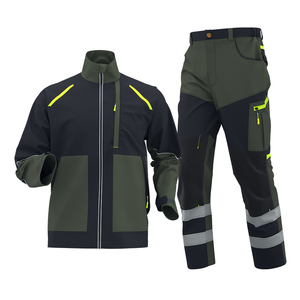
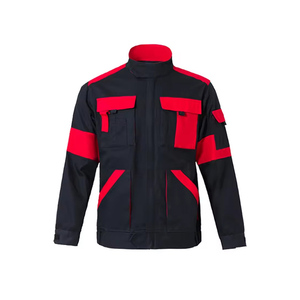

Quantifiable metrics demonstrating environmental abatement, thermodynamic stability, and physical tensile characteristics of modern post-consumer recycled fiber systems.
The global textile sector is undergoing a structural transition toward circular material economies, driven by regulatory mandates such as the European Union’s Corporate Sustainability Due Diligence Directive (CSDDD) and the Eco-design for Sustainable Products Regulation (ESPR). At the core of this transition is Recycled Polyethylene Terephthalate (rPET)—a synthetic polymer produced primarily from post-consumer plastic bottles and post-industrial textile waste.
For B2B procurement managers, sourcing leaders, and apparel OEMs, evaluating a recycled polyester supplier requires looking beyond marketing claims. It demands a rigorous analysis of polymer purity, intrinsic viscosity (IV), tensile strength retention, melt-spinning efficiency, and Global Recycled Standard (GRS) chain-of-custody verification.
When selecting a manufacturing partner or mill, tier-1 enterprise buyers focus on three key technical metrics:
An objective whitepaper analysis profiling the world's premier rPET yarn extruders, fabric mills, and vertically integrated private label apparel manufacturers for 2026 enterprise procurement.
Headquarters: Ludhiana, Punjab, India (Est. 1981)
Core Capabilities: Vertically integrated custom garment manufacturing, circular knitting, woven fabric engineering, in-house technical workwear & private label apparel export.
Why Chosen: Exceptional end-to-end integration without third-party sourcing agents. 45+ years of export experience, 100% GRS-certified rPET yarn routes, custom GSM formulation (140 to 400 GSM), pattern grading, low MOQ flexibility (from 300 pcs), and direct door-to-door global shipping.
Headquarters: Greensboro, North Carolina, USA
Core Capabilities: Synthetic recycled yarn extrusion, micro-fiber engineering, flame-retardant and moisture-wicking modified cross-section yarns.
Why Chosen: REPREVE® is the world benchmark for brand-name recycled performance fibers. Features FiberPrint® tracer technology for instant validation of recycled content percentage in laboratory testing.
Headquarters: Bangkok, Thailand
Core Capabilities: Global rPET flake collection, chemical recycling polymer chips, high-tenacity industrial polyester filament for heavy workwear.
Why Chosen: The world's largest producer of PET resin. DEJA™ provides carbon-neutral certified rPET flakes and pellets, ideal for high-tenacity industrial applications requiring high bursting strength.
Headquarters: Tokyo, Japan
Core Capabilities: High-performance technical fabrics, ultra-fine denier rPET microfibers, waterproof-breathable membrane laminates.
Why Chosen: Renowned for proprietary chemical synthesis, NaNodesign® filament shaping, and extreme-environment textiles utilized in high-end outerwear and military workwear.
Headquarters: Osaka, Japan
Core Capabilities: Closed-loop chemical depolymerization (Dimethyl Terephthalate route), structural workwear fabrics, flame-resistant polyester blends.
Why Chosen: Pionneered chemical recycling technologies that yield rPET identical in purity to petroleum-based virgin polyester, completely free from dye contamination or intrinsic strength loss.
Headquarters: Taipei, Taiwan
Core Capabilities: Ocean-bound plastic recycling, bio-based polyester co-polymers, high-elasticity sports textiles and industrial webbing.
Why Chosen: FENC is a key supplier to major athletic apparel brands, offering deep supply chain transparency for ocean-recycled PET programs.
Headquarters: Hangzhou, China
Core Capabilities: High-capacity POY, DTY, and FDY recycled yarn spinning, dope-dyed color yarns, wide-width woven industrial fabrics.
Why Chosen: High volume output with competitive price points for standard 75D to 300D recycled polyester DTY yarns used in bulk garment linings and workwear shells.
Headquarters: Seoul, South Korea
Core Capabilities: Recycled elastane/polyester blends, GRS-certified elastomeric activewear fabrics, high-durability spandex workwear accents.
Why Chosen: Famous for regen® recycled polyester paired with creora® elastane, supplying high-stretch ergonomic work garments and athletic wear.
Headquarters: Prato, Italy
Core Capabilities: Post-industrial circular rag-pulling, mechanical wool/rPET blends, luxury sustainable fashion fabrics, high-end lining cloth.
Why Chosen: Specializes in European fashion-forward blends and short-batch circular textile runs, ideal for high-end corporate tailored apparel.
Headquarters: Mumbai, India
Core Capabilities: Bottle washing lines, eco-friendly staple fibers, eco-dyed polyester filaments for heavy industrial uniforms.
Why Chosen: Recron® GreenGold is manufactured using green energy sources with traceable raw materials, offering high breaking strength and reliable bulk stability.
When buying recycled polyester garments or workwear suits, sourcing through trading agents creates unnecessary margin layers, miscommunicated technical parameters, and risks of design IP leaks. NG Apparels offers a vertically integrated, single-site manufacturing solution based in Ludhiana, Punjab, India.
By eliminating sourcing agents, buyer designs transition straight to our CAD pattern masters and knitting technicians. Pricing reflects true bill-of-materials and labor costs, saving 15% to 30% compared to intermediary agencies.
Instead of restricting designs to off-the-shelf stock fabrics, we custom-knit single jersey, loop-back fleece, pique, and weave rip-stop canvases to exact target GSM (140–400 GSM), shrinkage, and color standards.
All tech packs, vector files, trim specs, and physical patterns remain secured inside our factory. We do not distribute artwork to unvetted subcontractors, protecting your brand's unique silhouette and print intellectual property.
We apply advanced functional coatings: water repellency (DWR), stain protection, anti-static carbon thread integration, antimicrobial washes, and flame-retardant (FR) treatments certified to ISO standards.
Our dedicated sample room cuts prototypes in 7 to 14 days. 99% of first samples match tech pack measurements on initial submission, significantly accelerating your season-to-market lead times.
We handle export documentation, water-resistant carton sealing, barcode labelling, and door-to-door sea or air delivery to North America, Europe, Australia, and the Middle East smoothly.
Understanding the molecular behavior of recycled polyester is essential for procurement teams writing technical specifications for industrial workwear, coveralls, and high-tenacity outerwear.
Recycled polyester is manufactured through two primary pathways, each with distinct performance trade-offs:
PET bottles are washed, shredded into flakes, dried, melted, and directly extruded into yarn. Pros: Lower carbon footprint and lower cost. Cons: Slight decrease in Intrinsic Viscosity (IV) per cycle; requires solid-state polymerization (SSP) for high-tenacity applications.
Polymer chains are broken down into monomer building blocks (BHET or DMT/MEG) via glycolysis or methanolysis, then repolymerized. Pros: Removes all dyes and impurities; yields virgin-grade purity. Cons: Higher energy intensity and capital cost.
Emerging technology using enzymatic or chemical breaking of garment rags (rPET/cotton blends). Allows circular recycling of post-industrial cutting scraps directly back into spinning-grade fibers.
To ensure high durability in demanding workshop, electrical, and construction environments, finished recycled polyester fabrics must undergo rigorous mechanical testing:
As enterprise brand compliance shifts from voluntary sustainability reports to strict legal enforcement, purchasing managers must prepare for the next generation of textile procurement paradigms.
1. Digital Product Passports (DPP) & Blockchain Traceability:
Future shipments into European ports will require RFID or QR-coded Digital Product Passports. These digital records specify the exact origin of post-consumer PET bottles, manufacturing location, chemical inputs (Reach compliance), and carbon footprint calculation from raw fiber to final garment packing.
2. Transition from Bottle-to-Textile toward Garment-to-Garment Circularity:
Currently, over 85% of global rPET comes from post-consumer drink bottles. However, beverage industry demands for bottle-to-bottle recycling are shrinking flake availability. Leading fabric mills are scaling chemical textile-to-textile recycling plants, taking post-industrial cutting waste directly back to yarn.
3. Microplastic Shed Mitigation via Yarn Engineering:
Regulatory bodies are scrutinizing fiber fragment loss during home and industrial laundering. Innovations in continuous filament DTY, high-twist compact spinning, and bio-based finishing coatings reduce fiber shedding by up to 70% compared to traditional spun polyester fleece.
4. Hybrid Blends: rPET + GOTS Organic Cotton & Bamboo:
Workwear manufacturers are combining the tensile strength and quick-dry properties of recycled polyester with natural breathability. Intimate blends of 65% rPET / 35% GOTS organic cotton or bamboo viscose provide moisture-wicking comfort with low environmental impact.
Answers to critical questions asked by procurement teams, garment buyers, and safety officers when sourcing recycled polyester uniforms and textiles.
Our standard working MOQ for custom private-label workwear, coveralls, and jacket sets is typically 300 pieces per design, split across standard colors and size breakdowns. For orders utilizing in-stock GRS-certified rPET fabrics, initial order volumes can start lower. Custom fabric knitting or yarn-dyeing runs require higher volumes due to fixed dye-house lot capacities.
When manufactured with high-quality solid-state polymerized (SSP) flakes, recycled polyester exhibits identical mechanical properties to virgin polyester. Its tensile strength, abrasion resistance, UV degradation limits, and dye uptake match virgin PET. In rigorous industrial washing tests (60°C+), rPET workwear shows equivalent dimensional stability and color retention.
Every shipment of recycled polyester produced in our facility is accompanied by Global Recycled Standard (GRS) Transaction Certificates (TC). These certificates trace the fiber back to certified recyclers. Additionally, we provide OEKO-TEX Standard 100 certificates verifying that raw materials are free from harmful substances such as heavy metals, phthalates, and PFAS chemicals.
Our standard production cycle spans 7 to 9 weeks: 1 week for technical pack study and cost breakdown, 2 weeks for prototype and pre-production (PP) sample sign-off, and 4 to 6 weeks for bulk garment manufacturing, inline inspection, and water-resistant export packaging. Air freight transit requires 5–8 days, while sea freight requires 3–5 weeks depending on the destination port.
Yes. We regularly apply chemical and mechanical functional finishes to rPET fabrics. These include durable water repellency (DWR), stain-release treatments, flame-retardant (FR) coatings compliant with EN ISO standards, anti-static carbon filament weaving, antimicrobial moisture-wicking finishes, and high-visibility fluorescent dyeing with EN ISO 20471 reflective tape application.
Because NG Apparels operates entirely in-house without outsourcing agents, your technical blueprints, measurement charts, and vector graphic files remain secured within our internal CAD database. We sign formal Non-Disclosure Agreements (NDAs) prior to tech pack review. Your unique garment patterns are archived exclusively under your account for seamless reorders.
Partner directly with a vertically integrated manufacturer. Send us your tech packs, target specifications, or garment samples today for a quick quote and detailed feasibility analysis.