Explore our engineered apparel sets manufactured directly in our Ludhiana facility. Built with pre-shrunk fabrics, ergonomic grading, and heavy-duty reinforced stitching for international buyer specifications.
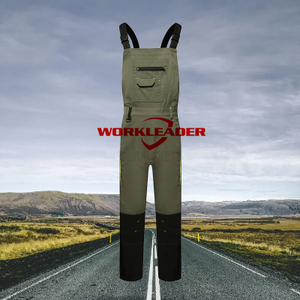
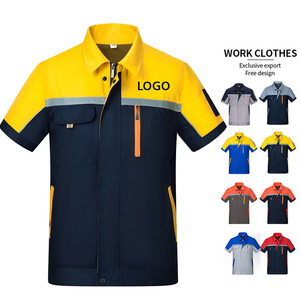
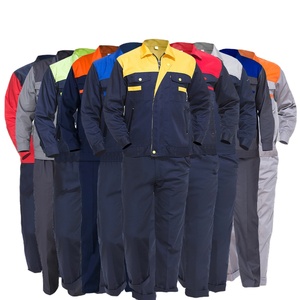
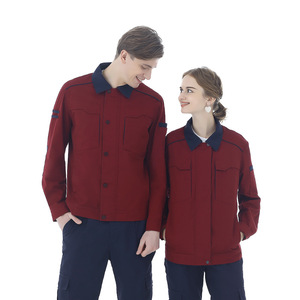
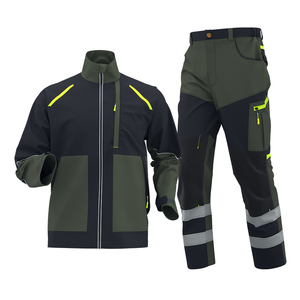
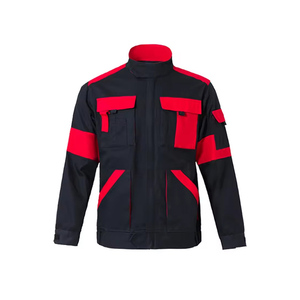
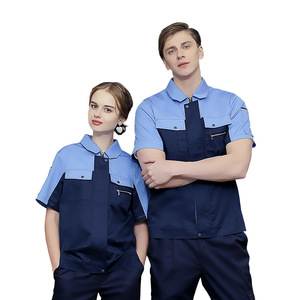
Operating continuously since 1981 in Ludhiana, Punjab, NG Apparels bridges technical textile innovation with ethical direct-to-brand export execution.
We eliminate third-party buying agents. By maintaining an in-house fabric mill and garment assembly floor, you communicate directly with the production engineers. This guarantees full tech pack privacy, 15-20% cost savings, and zero miscommunication.
Unlike stock-lot assemblers, we manufacture knit and woven cloth from raw yarn. Whether you require 140 GSM lightweight sleepwear jersey, 220 GSM modal spandex loungewear, or heavy-duty ripstop workwear, we lock exact GSM, stretch, and hand-feel.
We are experts in GOTS-certified organic cotton, bamboo viscose, recycled polyester (rPET), and eco-friendly reactive dyeing. Full lot traceability documents are supplied with every export shipment for brand auditing transparency.
A detailed breakdown of fabric specs, fiber compositions, and construction techniques required for high-margin global sleepwear, loungewear, and utility export lines.
In the luxury sleepwear segment, satin pyjama sets demand ultra-smooth surface friction to minimize skin irritation during sleep. Leading global exporters utilize 19-22 momme Mulberry Silk or specialized 120 GSM filament viscose satin. Key construction parameters include French seams (preventing fraying after repeated wash cycles) and 100% silk-wrapped piping along lapels and chest pockets.
Eco-conscious consumers are driving massive demand for GOTS-certified organic sleep sets. Utilizing 30s or 40s single-combed organic yarn with a 2x2 rib knit structure provides natural 4-way elastic recovery without synthetic elastane addition. Exporters prioritize low-impact, AZO-free reactive dyes to achieve baby-safe hypoallergenic compliance across North American and European retail standards.
Winter loungewear requires superior thermal insulation without excessive bulk. Exporters manufacture 280-340 GSM double-brushed micro-fleece pyjama sets featuring anti-pilling chemical finishes (grade 4.0+ ISO 12945-2 test rating). Double-needle cover-stitching on raglan sleeve joints ensures zero tear under tensile stress.
Thermoregulating nightwear is one of the fastest-growing search categories. Viscose derived from bamboo possesses cross-sectional micro-gaps that afford 3x higher breathability than standard cotton. Blended with 5% elastane at 180 GSM, these sets deliver unmatched softness and cool-to-touch tactile feedback.
Traditional yarn-dyed plaid and tartan flannel sets remain staple seasonal sellers. High-tier manufacturing involves pre-yarn dyeing followed by a dual-sided mechanical brushing (napping) process. This creates microscopic air pockets for thermal warmth while guaranteeing dimensional stability (< 3% shrinkage under ISO 6330 laundering testing).
| Category Set | Primary Fiber Composition | Target GSM | Weave / Knit Type | Key Testing Standard |
|---|---|---|---|---|
| Luxury Satin Pyjama | 100% Viscose / Mulberry Silk | 110 - 130 GSM | Filament Satin Weave | ISO 12945-2 (Pilling Resistance) |
| Organic Lounge Set | 100% GOTS Combed Cotton | 160 - 200 GSM | Single Jersey / 2x2 Rib | GOTS / OEKO-TEX Standard 100 |
| Thermoregulating Set | 95% Bamboo Modal / 5% Spandex | 180 - 210 GSM | Interlock Knit | AATCC 195 (Moisture Management) |
| Heavyweight Utility Set | 65% Polyester / 35% Cotton | 240 - 300 GSM | 3/1 Fine Twill / Ripstop | ISO 13934 (Tensile Strength) |
| Winter Fleece Pyjama | 100% Micro-Polyester Fleece | 280 - 320 GSM | Double Brushed Knit | ISO 6330 (Dimensional Stability) |
How leading global brands are adjusting their supply chain criteria to navigate cost volatility, regulatory pressure, and consumer expectations over the next decade.
Modern garment exporters rely on AI-assisted CAD marker placement, reducing fabric offcut waste from 15% down to under 3%. This significantly lowers raw material consumption costs for volume OEM orders while fulfilling strict scope 3 emissions targets.
Upcoming EU and US import mandates require complete garment traceability—from raw cotton ginning to final sewing. Exporters with vertically integrated spinning, knitting, and dyeing infrastructure provide transparent blockchain-ready batch logs for seamless custom clearance.
The convergence of sleepwear and activewear has sparked rapid growth in micro-encapsulated Phase Change Materials (PCM). These eco-friendly chemical coatings absorb thermal energy when body heat spikes and release it as body temperature drops during REM sleep cycles.
An inside look at our 3-stage quality assurance protocol executed in our Ludhiana factory floor.
Upon receiving your tech pack, our pattern masters generate 3D CAD blocks within 72 hours. We run spectrophotometer color matching for lab dips (Pantone TPX/TCX) and execute initial fabric shrinkage tests before bulk cutting starts.
During automated cutting and stitching lines, dedicated QA auditors monitor stitch density (SPI - stitches per inch), elastic tension consistency, seam allowance tolerances (+/- 0.5cm), and trim durability under ISO AQL 2.5 standards.
Finished sets undergo steam press tunnel finishing, metal detection screening, individual eco-polybag packing, and heavy-duty 7-ply water-resistant corrugated carton sealing to withstand international ocean freight transit.
Essential operational answers for brand owners, buyers, and supply chain managers planning OEM/ODM export runs.
Our standard working MOQ is typically 300 sets per design, which can be split across multiple colorways and a full size run (XS to 3XL). For styles utilizing stock-supported knit yarns or standard woven colors, we can accommodate lower trial runs. Custom mill fabric developments with specialized yarn dyeing require higher MOQs to match dye-vat lot capacities.
Total lead time averages 7 to 9 weeks in total: 1 week for tech pack review and cost engineering, 2 weeks for prototype physical sampling and pre-production sign-off, and 4 to 6 weeks for bulk garment manufacturing and inline inspection. Air freight delivery adds 5–7 days, while ocean freight typically takes 3 to 5 weeks depending on destination ports.
Yes. NG Apparels regularly manufactures organic cotton pyjama sets, loungewear hoodies, and bamboo nightwear. We supply complete transaction certificates (TC) and fiber origin documentation for every certified fabric batch, ensuring your brand's sustainability messaging is 100% defensible under global regulatory frameworks.
We operate entirely in-house without third-party sourcing agents. Your technical packs, CAD measurement charts, print artwork, and pattern blocks are never circulated to outside subcontractors. All design files are encrypted and archived under strict Non-Disclosure Agreements (NDAs) exclusively linked to your buyer account.
Absolutely. We perform spectrophotometer Pantone matching (TPX/TCX) for lab dips. Additionally, we source or manufacture custom woven brand labels, heat-transfer neck prints, branded drawcords, nickel-free metal hardware, custom hangtags, and custom printed biodegradable polybags tailored to your retail specifications.
Our primary factory is located at 270-A, Industrial Area-A, Cheema Chowk, Ludhiana 141003, Punjab, India (approx. 45 minutes by air from New Delhi). We welcome brand buyers, third-party inspection teams (such as SGS, Intertek, Bureau Veritas), and offer live interactive video walkthroughs of active production lines during working hours.
Send us your tech pack, design sketch, or target specification sheet. Our expert merchandising team will review feasibility, fabric availability, and provide an all-inclusive FOB/CIF price quote within 24 hours.