NG Apparels — clothing manufacturer India logo
Our Story +
Products +
Ethical Manufacturing
Resource +
FAQs Contact Us

Top China Softshell Fabric Manufacturers & Technical Outerwear Suppliers

Comprehensive B2B Sourcing Guide: Engineering 3-Layer Bonded Laminates, Hydrostatic Performance Membranes, Ergonomic Workwear, and Direct Factory Supply Chains.

Industrial & Technical Softshell Apparel Solutions

Engineered for harsh environments, high durability, and ergonomic precision. Select a design block to launch direct factory sampling.
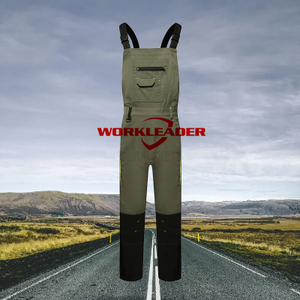
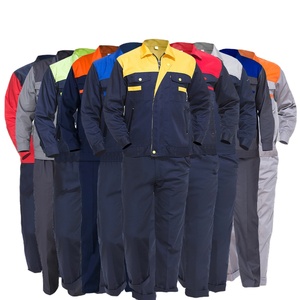
Customized Unisex Breathable Plus Size Contrast Color Bib Overall Work Coverall Uniform for Construction Engineers

Customized Unisex Breathable Contrast Bib Overall Work Coverall

High-Density Twill / Reinforced Knees Send an Inquiry
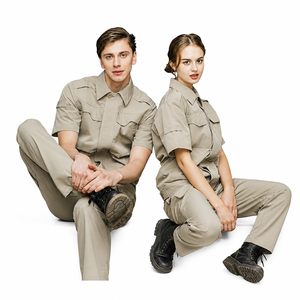
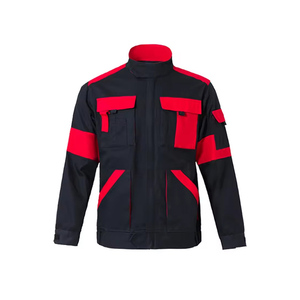
Wholesale High Quality Working Clothes Durable Uniform Set Workwear Custom Design Short/long Sleeves Work Jacket Men - LOW MOQ

Durable Multi-Pocket Men's Workwear Jacket & Uniform Set

Water-Repellent Softshell / Low MOQ Send an Inquiry
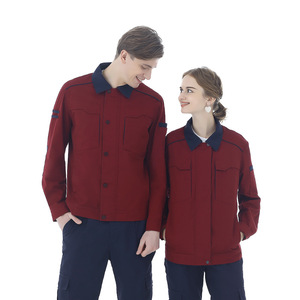
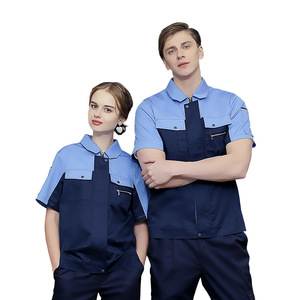
100% Polyester Wear Resistant Worker Clothes Set Labor Protection Work Uniforms Custom Logo Size Workwear

100% Polyester Wear-Resistant Industrial Labor Protection Suit

Abrasion Resistance / Custom Logo Send an Inquiry
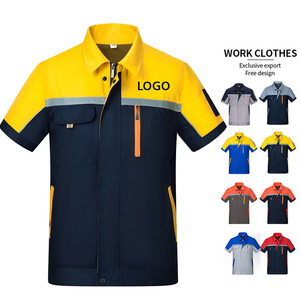
Quick Dry Short Sleeve Workwear Set Breathable High Elasticity Nylon Spandex Workshop Uniform For Factory Mechanic

Quick-Dry High-Elasticity Nylon Spandex Mechanic Workshop Set

4-Way Stretch / Moisture Wicking Send an Inquiry
Abrasion Resistant Workwear Suit Long Sleeve Cotton Polyester Mechanic Uniform for Factory Workshop

Long-Sleeve Poly-Cotton Abrasion Resistant Workshop Uniform

Heavy-Duty Weave / Reinforced Seams Send an Inquiry
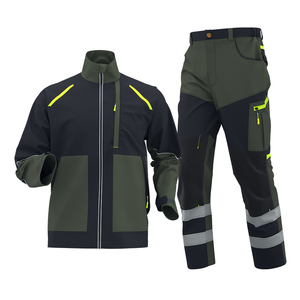
Customized Factory Rip-Resistant Work Wear Construction Workshop Uniforms With Reflective Strips Men Workwear Overalls

Rip-Resistant Construction Workwear Overalls with Reflective Strips

EN ISO 20471 / Ripstop Laminate Send an Inquiry
Cotton Labor Uniforms Electrical Workshop Resistant Multi Pocket Mechanic's Overalls Uniform

Electrical Workshop Multi-Pocket Cotton Utility Overalls

Anti-Static Treatment / Ergonomic Fit Send an Inquiry
Summer Cotton Blend Work Uniform Set Breathable Moisture Wicking Short Sleeve Coverall For Auto Repair Logistics Workshop

Summer Breathable Cotton-Blend Coverall for Logistics & Auto Repair

Lightweight / Fast Moisture Release Send an Inquiry
45+
Years Manufacturing Lineage
10,000mm+
Hydrostatic Head Standard
3,000+
Active Pattern Blocks
<0.5%
AQL Defect Rate Target

Technical Deep-Dive: The Engineering Behind Modern 3-Layer Softshell Fabrics

In modern industrial safety apparel, military-spec gear, and premium technical outdoor garments, 3-Layer Softshell Laminates represent the ultimate synergy of climate protection, thermal management, and mechanical durability. Unlike legacy 2-layer coated fabrics that trap perspiration or rigid 3-layer hardshells that restrict movement, softshell fabric architectures engineered by leading Chinese textile manufacturers rely on advanced lamination techniques that bond three distinct functional materials into a unified micro-climatic shield.

Understanding the exact structural physics of softshell fabric is paramount for B2B procurement managers, technical product developers, and apparel brand owners. Sourcing high-performance softshells requires a rigorous evaluation of membrane pore sizes, delamination resistance, water column pressures, and stretch recovery performance.

1. Face Fabric (Outer Layer)

Typically woven from high-tenacity 75D or 100D Polyester/Nylon yarn with 4-way spandex stretch. Engineered with mechanical abrasion resistance (Martindale test > 50,000 rubs) and treated with C0 DWR (PFC-free durable water repellency).

2. Microporous Membrane (Middle)

The technical heart of the laminate. Monolithic TPU (Thermoplastic Polyurethane) or ePTFE (expanded Polytetrafluoroethylene) membranes feature billions of microscopic pores per square inch—smaller than water droplets but larger than vapor molecules.

3. Fleece Backer (Inner Layer)

Brushed micro-fleece, grid fleece, or 3D honeycomb mesh (ranging from 140 GSM to 280 GSM). Captures insulating micro-air pockets while aggressively wicking internal sweat away from skin toward the breathability membrane.

Hydrostatic Head vs. Breathability (MVTR) Performance Metrics Matrix

When shortlisting China softshell fabric manufacturers, relying solely on commercial sales sheets is insufficient. Sourcing teams must audit third-party testing protocols (such as ISO 811 for hydrostatic pressure and JIS L1099 B1 for moisture vapor transmission rate). Below is an industry reference matrix used by elite technical workwear procurement specialists:

Performance Tier Hydrostatic Head (ISO 811) Breathability MVTR (JIS L1099 B1) Primary Industrial Application Lamination Adhesive Type
Standard Utility 3,000 mm – 5,000 mm H2O 3,000 g/m²/24h General Factory & Logistics Uniforms Solvent-based Dot Lamination
Industrial Toughness 8,000 mm – 10,000 mm H2O 5,000 g/m²/24h Construction, Electrical & Rail Engineering PUR Hot-Melt PUR Glue
Extreme Technical 15,000 mm – 20,000 mm H2O 10,000+ g/m²/24h Offshore Energy, Alpine & Rescue Workwear ePTFE Hydrophilic Membrane Bond

2026–2030 Global Sourcing Trends in Softshell & Technical Workwear

The global softshell fabric market is undergoing a seismic shift driven by strict environmental mandates (such as the EU REACH restrictions and PFAS bans) alongside demands for smart industrial ergonomics. Top tier Chinese fabric mills are investing heavily in green chemistry and high-efficiency circular knitting-to-lamination infrastructure.

PFAS-Free (C0) Fluorine-Free DWR

Global buyer compliance now demands complete elimination of C8 and C6 fluorocarbons. Modern China manufacturers utilize silicone-based and plant-derived polymer finishes that preserve stain repellency and water-beading while maintaining strict zero-PFAS environmental compliance.

Recycled PET & Bio-TPU Membranes

Sustainability is no longer optional. Leading softshell mills construct 100% rPET (Recycled Polyethylene Terephthalate) face fabrics coupled with bio-based TPU membranes derived from castor oil—drastically reducing the carbon footprint per linear meter without sacrificing delamination strength.

Why Partnering with Vertically Integrated China Manufacturers Matters

Managing an international garment supply chain presents distinct operational challenges: delamination after industrial laundering, shade variance between bulk production lots, inconsistent seam sealing, and inflated broker markups. Utilizing a direct-factory model with full vertical integration resolves these critical pain points.

Zero Intermediary Overhead

Direct engagement with integrated weaving, dyeing, laminating, and garment sewing operations removes trading agent margins (saving 15%–25% on FOB pricing) while eliminating cross-language specification errors during tech-pack execution.

In-House Physical & Chemical Testing

Every bulk lot undergoes rigorous internal laboratory validation: Martindale abrasion resistance, ISO 2411 delamination peel strength, colorfastness under accelerated washing, and seam-burst force metrics prior to container loading.

Agile Prototyping & Low MOQ

By keeping stock ground cloths and modular pattern blocks on file (over 3,000 ready blocks), preliminary physical sample jackets can be cut and delivered in as few as 7–14 days, accelerating time-to-market for brand launches.

Frequently Asked Sourcing & Technical Questions

Key considerations for procurement specialists, quality engineers, and apparel brand founders.

What causes delamination in softshell garments and how is it prevented?
Delamination occurs when the adhesive bond between the face fabric, TPU membrane, and fleece backer breaks down—typically after exposure to industrial laundering or sub-zero temperatures. Top-tier manufacturers prevent this by utilizing Reactive Polyurethane (PUR) hot-melt adhesive applied via precision micro-dot roller technology. PUR adhesives form cross-linked chemical bonds that withstand over 50 industrial wash cycles at 60°C and maintain peel strengths exceeding ISO 2411 standards (> 15 N/5cm).
What are the standard Minimum Order Quantities (MOQs) for custom softshell fabric and workwear?
For fully custom-dyed and custom-laminated softshell fabrics (where specific pantone colors, GSM weights, and membranes are specified), typical fabric MOQs range from 800 to 1,200 meters per colorway. For finished garment manufacturing (such as workwear jackets, overalls, and uniforms), working MOQs generally start at 300 to 500 pieces per style. However, if your order leverages stock-supported softshell colors, MOQs can be reduced to as low as 100 pieces per design block.
How does seam-taping work on 3-layer softshell fabrics?
Because needle punctures during garment assembly ruin waterproof integrity, technical softshell jackets require seam sealing. A specialized 3-layer hot air seam-sealing tape (matching the fleece or mesh backing) is applied using automated thermal bonding equipment at precise temperature, pressure, and speed parameters to ensure zero water ingress through stitch lines under high hydrostatic pressure testing.
Which international safety standards can China softshell workwear comply with?
Custom technical workwear produced in accredited Chinese facilities can be tailored to meet EN ISO 20471 (High Visibility Workwear), EN 343 (Protection Against Rain and Bad Weather), EN 1149 (Anti-Static Properties), OEKO-TEX Standard 100 (Human-Ecological Safety), and GOTS (Global Organic Textile Standard for organic cotton fleece backings). Full test documentation and lot traceability certificates are provided prior to export dispatch.
What is the typical production timeline from Tech Pack to Door-to-Door Delivery?
The standard lead time encompasses three main phases: 1) Tech pack feasibility review, lab-dip color matching, and master pattern grading (1 week); 2) Physical prototype cutting and pre-production (PP) sample sign-off (2 weeks); and 3) Bulk weaving, lamination, garment sewing, inline AQL 2.5 quality control inspection, and export packing (4 to 6 weeks). Air freight shipping takes 5–8 business days, while sea freight door-to-door transit spans 25–40 days depending on destination port.

Ready to Elevate Your Technical Outerwear & Workwear Supply Chain?

Connect directly with our engineering team for custom fabric development, lab-dip requests, sample tech-pack costing, and bulk sourcing consultations.

Send an Inquiry