Direct factory manufacturing with low MOQs, standardized quality assurance, and custom branding tailored for global distributors.

In the contemporary macroeconomic landscape, procurement executives, retail brand managers, and industrial enterprise buyers face unprecedented volatility across global textile supply chains. Selecting the top trusted bulk clothing exporter and exporters requires evaluating parameters far beyond unit FOB pricing. It demands a rigorous assessment of vertical production integration, technical fabric engineering capacity, ethical labor compliance, and transparent export logistics.
As a family-owned, vertically integrated manufacturing powerhouse and direct garment export hub since 1981, NG Apparels (headquartered in Ludhiana, Punjab, India) has spent over four decades establishing a benchmark for global garment exports. With direct oversight across circular knitting, precision weaving, custom yarn dyeing, technical garment finishing, and automated CAD pattern development, our facility eliminates reliance on third-party sourcing intermediaries. This single-roof operational paradigm directly addresses the primary pain points of enterprise procurement: margin dilution, intellectual property exposure, and inconsistent quality control.
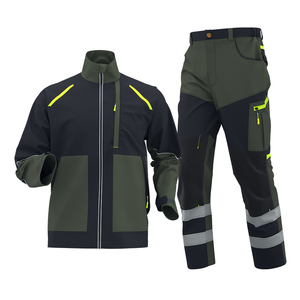
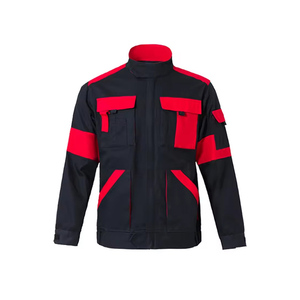
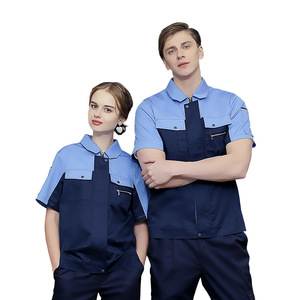
True operational authority in textile manufacturing is forged on the factory floor. Operating 45 minutes by air from New Delhi, our manufacturing infrastructure combines generational craft expertise with automated production control systems. By managing custom private label development for over 2,400 global apparel labels across 30 countries, our technical team maintains an exhaustive library of over 3,000 pre-graded pattern blocks across diverse garment typologies—ranging from high-specification industrial workwear and flame-retardant engineer coveralls to GOTS-certified organic cotton fleece hoodies, medical scrubs, and technical activewear.
| Manufacturing Dimension | Direct Factory Exporter (NG Apparels) | Third-Party Trading Companies & Agents |
|---|---|---|
| Cost Structure | Factory-direct pricing; zero intermediary margins or hidden markups. | 15% – 35% commission overhead added across sub-contractors. |
| Quality Assurance (QA) | Inline AQL 2.5 inspection, dedicated QA lab, lot traceability. | Unpredictable spot checks; fragmented accountability across factories. |
| IP & Design Protection | In-house CAD design security; patterns archived under encrypted accounts. | Tech packs frequently circulated among multiple unverified suppliers. |
| Fabric Customization | Engineered GSM, custom weave construction, functional finish application. | Limited to off-the-shelf stock fabrics with fixed specifications. |
| Ethical Compliance | Documented fair-wage structure, SEDEX-audited, zero child labor. | Opaque supply chain trails; potential subcontractor compliance risks. |
Architected to streamline private label garment production from concept to door-to-door global delivery within 7 to 9 weeks.
We do not constrain designs to stock textiles. From 140 GSM lightweight single jersey to 400 GSM heavyweight brushed fleece, 100% combed cotton, and technical poly-spandex blends, we engineer custom weight, stretch, hand-feel, and shrinkage profiles.
Enhance workwear and activewear performance through chemical and mechanical finishing options: C6/DWR water repellency, UV protective coating (UPF 50+), antimicrobial silver-ion treatments, moisture-wicking capillary technology, and fire-retardant compliance.
Full supply chain transparency for eco-conscious lines. We manufacture certified organic cotton garments, recycled polyester (rPET) outerwear, and bamboo viscose shirts, delivering lot-level transaction certificates for bulletproof sustainability compliance.
The global textile and apparel export industry is experiencing a structural pivot. Importers, brand managers, and corporate procurement directors are optimizing their sourcing mix to mitigate geopolitical friction, rising freight tariffs, and increasingly stringent environmental mandates. Sourcing strategies are rapidly shifting toward high-reliability direct manufacturers who can deliver technical sophistication, low minimum order quantities (MOQs), and accelerated time-to-market cycles.
Global buyer sentiment has moved away from hyper-concentrated manufacturing zones toward established, vertically self-reliant export hubs like India. Facilities located in major textile epicenters such as Ludhiana benefit from direct domestic cotton access, robust yarn-spinning infrastructure, and advanced garmenting machinery. By sourcing directly from a vertically integrated exporter, brands insulate themselves against fabric procurement delays, currency fluctuations, and third-party vendor insolvencies.
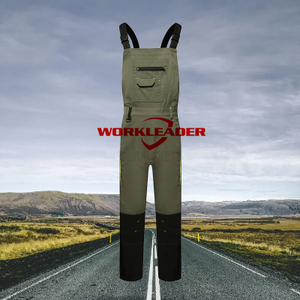
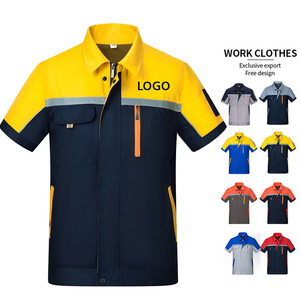
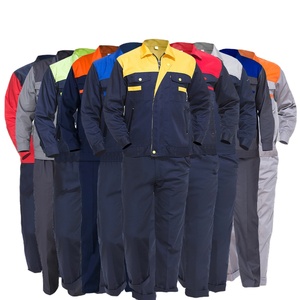
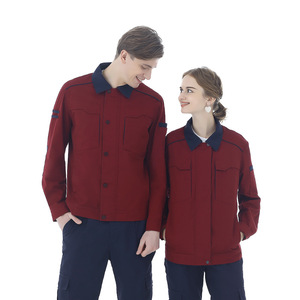
As documented in our product recommendations, workwear is no longer treated as a generic commodity. Modern enterprise workwear demands dynamic ergonomic tailoring, multi-functional fabric blends, and integrated safety compliance features. Key technical trends include:
The traditional fashion timeline of 16 to 24 weeks is obsolete. Leading bulk clothing exporters now utilize 3D CAD pattern manipulation software and standardized grading systems. By translating buyer tech packs into digital twin renderings, first-sample approval rates reach over 98%, cutting prototype lead times down to 10–14 days and enabling bulk production completion within 4 to 6 weeks.
To assist global purchasing managers, sourcing executives, and private label founders in conducting thorough due diligence, we have synthesized clear answers to the most critical operational queries.