Direct factory manufacturing featuring bio-barrier finishes, silver-ion treatments, and high-durability protective fabrics designed for European compliance standards.

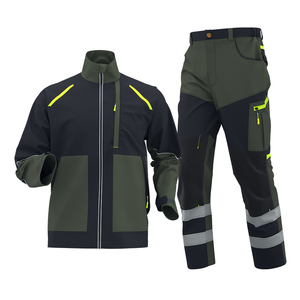
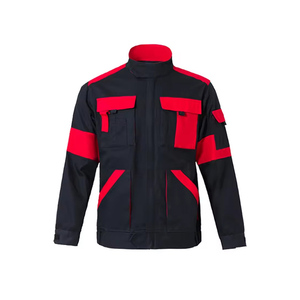
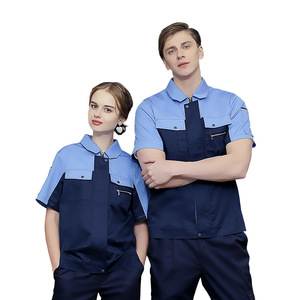
In contemporary European industrial and medical ecosystems, functional textiles have transitioned from simple protective barriers to active biological safety matrices. As a direct-from-mill custom apparel manufacturer and technical fabric exporter established in 1981, NG Apparels provides state-of-the-art chemical and mechanical antimicrobial fabric finishing solutions engineered specifically for Austrian enterprises, industrial laundries, healthcare institutions, and technical workwear brands.
To satisfy rigorous procurement specifications across Austrian federal states—from Vienna's medical centers to Styria's industrial plants—we employ four distinct antimicrobial finishing vectors depending on end-use stress and laundering protocols:
Forms a non-leaching, physically destructive molecular 'spike' array on synthetic and natural fibers. Bacteria are drawn to the positively charged nitrogen atom and destroyed via cell wall lysis without releasing harmful biocides into skin microflora.
Controlled-release inorganic silver chloride carriers incorporated into spun yarn or pad-dried onto fabric. Silver ions interact with bacterial DNA and metabolic enzymes, proving exceptionally potent against Gram-positive (Staphylococcus aureus) and Gram-negative (Klebsiella pneumoniae) strains.
Specifically developed for high-humidity alpine, outdoor, and heavy-work environments. Influx of zinc ions disrupts cellular membrane transport, suppressing both odor-causing bacteria and fungal spore generation (Trichophyton mentagrophytes).
Sourced from upcycled natural biopolymers for GOTS-certified organic lines. Provides gentle, non-toxic bacteriostatic protection ideal for baby clothing, skin-contact medical undergarments, and eco-conscious fashion labels in Austria.
Every meter of treated fabric produced at our Ludhiana manufacturing facility undergoes standardized testing prior to garment conversion and export shipment to Central Europe:
| Testing Standard | Target Microorganisms | Efficacy Threshold | Primary Austrian Application |
|---|---|---|---|
| ISO 20743 / JIS L 1902 | S. aureus, K. pneumoniae | > 99.9% (Log 3 reduction) | Hospital Linen, Medical Scrubs, Cleanroom Suits |
| AATCC Test Method 100 | Gram-positive & Gram-negative | Quantitative 99.9% kill rate | Industrial Mechanic Coveralls, Electrical Uniforms |
| EN 13795 Compliance | Bacterial penetration (Dry & Wet) | Barrier level 1 to level 4 | Surgical Drapes, ICU Isolation Gowns |
| ISO 18184 (Antiviral) | Feline Coronavirus, Influenza A | > 99% viral infectivity reduction | Public Transport & Emergency First Responder Wear |
| OEKO-TEX Standard 100 | Biocidal chemical residue analysis | Class I (Baby safe) & Class II | Base Layers, Alpine Sports Wear, Workwear Shirts |
Austria’s economic geography demands tailored textile engineering rather than one-size-fits-all manufacturing. We deliver custom knit and woven garments with localized functional finishes optimized for regional climatic and regulatory requirements:
Austrian clinics operating under strict ÖNORM EN 13795 and human-ecology standards require medical scrubs, lab coats, and bed linen capable of withstanding industrial autoclaving and 90°C thermal disinfection. Our poly-cotton blends with dual silver-ion and fluid-repellent DWR finishes prevent cross-contamination in high-intensity care zones.
Ski resort operators, mountain rescue services (Bergrettung), and cable car maintenance teams work in cold, high-perspiration, damp environments. Antimicrobial zinc finishes combined with 3-layer laminated softshells prevent internal mildew growth and sweat-induced odor during multi-day alpine deployments.
Manufacturing plants require rugged, abrasion-resistant workwear coveralls. We apply durable flame-retardant (FR) treatments alongside silane-quat antimicrobial coatings, giving engineers active protection against oil-derived microbes and skin irritation during long machinery shifts.
Navigating European textile import rules requires exact chemical transparency. Austrian buyers must ensure imported biocidal textiles comply fully with European Union frameworks:
Eliminating middleman agents to offer complete vertical control, heritage manufacturing quality, and seamless European door-to-door delivery.
Operating continuously since 1981 in Ludhiana, India. Three generations of textile expertise across circular knitting, weaving, specialized wet processing, pattern grading, and precision garment assembly.
No sourcing agents or third-party brokers taking margin cuts or misinterpreting technical comments. Direct communication with our engineering and merchandising floor guarantees complete transparency.
Your custom tech packs, garment artwork, and proprietary pattern blocks are strictly archived under your corporate account and never shared or recirculated across external factories.
Documented living wages, transparent payroll, strict prohibition of child labor, and a strong female supervisory workforce (over 20+ years avg tenure) ensuring superior craft consistency.
Working MOQs starting at 300 pieces per style across size runs. In-house fabric development allows custom GSM, color matching, and special finishes without astronomical minimums.
Water-resistant export packaging, full customs documentation, and seamless air (5–8 days) or sea freight (4–6 weeks) right to your central warehouse in Vienna, Graz, or Innsbruck.
Direct answers regarding custom fabric finishing, certification compliance, minimum order quantities, and sample turnarounds.
Our standard production MOQ is typically 300 pieces per style, split across a standard size breakdown and custom colorways. For custom-knitted or custom-woven mill developments requiring specialized chemical padding bath runs, MOQs are determined by yarn dye lot sizes, but we offer stock-supported technical fabrics to accommodate smaller trial runs for new Austrian workwear brands.
We conduct standardized lab testing following ISO 6330 industrial washing procedures up to 50, 75, and 100 cycles at elevated temperatures (60°C to 75°C). Efficacy is validated via ISO 20743 (quantitative bacterial reduction) before dispatch, and lab certificates are attached to your export documentation.
Yes. We exclusively utilize OEKO-TEX Standard 100 approved and EU BPR compliant chemical active substances (such as silver chloride matrix complexes and organosilane quats). Complete chemical safety data sheets (MSDS) and REACH compliance declarations are provided with every shipment into Austria.
Plan for approximately 7 to 9 weeks total manufacturing time: 1 week for tech pack feasibility and costing review, 2 weeks for prototype physical sample and PP fit approvals, and 4 to 6 weeks for bulk fabric finishing, cutting, stitching, and QC. Transit time via air freight takes 5 to 8 days, while sea freight to European ports takes 4 to 6 weeks.
Absolutely. We specialize in multi-functional fabric finishing. Our chemical engineering team regularly formulates dual- and triple-action finishes combining silane-quat or silver-ion antimicrobial defense with fluorocarbon-free DWR (water repellency), anti-static threads, flame retardancy (FR), or UV-blocking (UPF 50+) properties on single-layer or multi-layer technical textiles.
We welcome buyer visits and third-party auditing teams (SGS, Intertek, Bureau Veritas) to our factory at Industrial Area-A, Ludhiana, India (approx. 45 minutes by flight from New Delhi). For Austrian procurement managers who cannot travel, we offer live HD video walkthroughs of our knitting, dyeing, antimicrobial padding, and garment assembly lines.
Send us your tech packs, target fabric GSM, required wash durability cycles, and quantity requirements. Our technical merchandising team will provide a comprehensive cost evaluation and feasibility report within 24 hours.
Inquire Now