Engineered for high-abrasion environments, regional assembly plants, and industrial maquiladoras across North America.
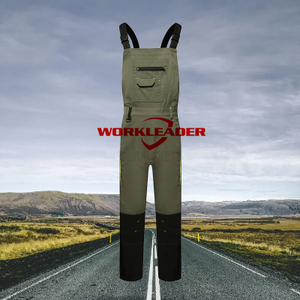
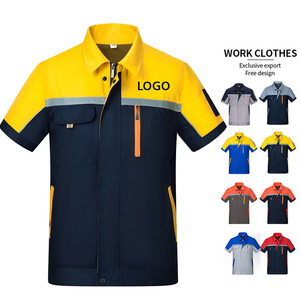
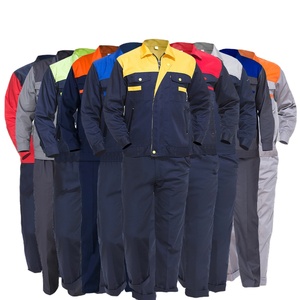
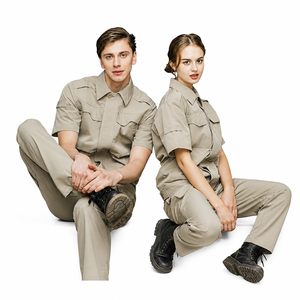
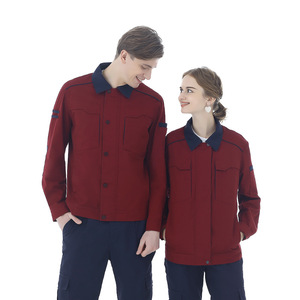
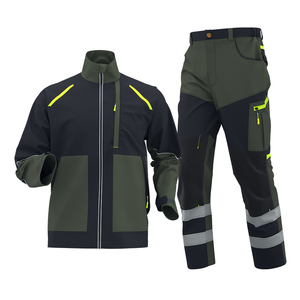
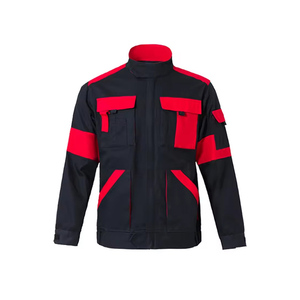
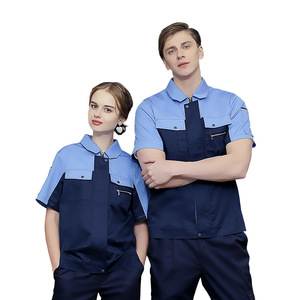
As international supply chains shift toward nearshoring to optimize lead times and lower freight exposure, Mexico has emerged as an indispensable hub for high-grade denim fabric weaving and industrial garment manufacturing. Fueled by preferential trade structures like the USMCA (T-MEC Rules of Origin, Chapter 62), industrial buyers across the United States, Canada, and Latin America are increasingly shifting orders from traditional East Asian suppliers to mill-direct operations operating in central Mexican textile hubs such as Puebla, Tehuacán, Torreón, and Aguascalientes.
“Integrating mill-direct denim weaving with fully compliant USMCA yarn-forward manufacturing reduces delivery lead times from 35 days (Asia ocean freight) to just 3 to 5 days overland border delivery to major U.S. logistics nodes.”
Our integrated mill and export facility bridges the gap between raw fabric development and full-package apparel exporting. By combining vertically controlled yarn dyeing, custom shuttleless rapier weaving, and automated garment stitching under one strict quality assurance system, we provide regional brands, workwear distributors, and industrial maquiladoras with consistent denim textiles tailored to exact tensile strength, GSM weight, and wash specification requirements.
Detailed technical parameters across our primary industrial and commercial denim weave constructions.
| Denim Fabric Class | Weight (oz / GSM) | Yarn Construction | Composition Breakdown | Tensile Strength (ASTM D5034) | Primary Industrial Application |
|---|---|---|---|---|---|
| Heavy Industrial Duck Denim | 14.5 – 16.0 oz / 450 GSM | Ring-Spun Slub (Warp & Weft) | 100% Long-Staple Cotton | Warp > 1,200 N / Weft > 950 N | Heavy Construction, Mining, Structural Welding Coveralls |
| Performance Flex-Stretch Denim | 10.5 – 12.0 oz / 320 GSM | Combed Compact Dual-Core | 92% Cotton / 6% T400 / 2% Elastane | Warp > 850 N / Weft > 650 N | Automotive Assembly, Logistics, High-Mobility Workwear |
| Flame-Retardant (FR) Treated Denim | 12.5 – 14.0 oz / 400 GSM | Heavy-Duty Twill Weave | 88% FR Cotton / 12% High-Tenacity Nylon | Warp > 1,100 N / Weft > 880 N | Electrical Utilities, Petrochemical Refineries, Foundry Work |
| High-Tenacity Ripstop Hybrid Denim | 11.0 – 13.0 oz / 350 GSM | Cross-Grid Ripstop Weave | 75% Cotton / 25% Cordura® Poly-Nylon | Warp > 1,400 N / Weft > 1,100 N | Factory Mechanics, Tactical Workwear, Heavy Warehousing |
| Lightweight Workwear Chambray | 6.5 – 8.5 oz / 240 GSM | Fine Count Carded Yarn | 60% Cotton / 40% Recycled Polyester | Warp > 600 N / Weft > 500 N | Hot-Climate Agriculture, Summer Auto-Repair Shirts |
Engineering specialized fabric constructions to meet the environmental and rigorous mechanical challenges of regional industries.
Locations: Bajío Region (Guanajuato, Querétaro, San Luis Potosí)
Technicians require low-lint, scratch-resistant stretch denim outfits. Our micro-flex cotton-poly-elastane blends prevent surface scratching during vehicle assembly while retaining shape memory after 100+ industrial wash cycles.
Locations: Sonora, Zacatecas, Chihuahua
Subsurface and open-pit operations demand heavyweight 15 oz 100% ring-spun denim coveralls with high tear-propagation resistance. We engineer thick indigo-dyed warp yarns with sulfur-black bottoms to withstand sharp rock contact and high mineral dust abrasion.
Locations: Mexico City Metropolitan Area, Guadalajara, Monterrey
Structural teams need breathable yet puncture-resistant work jeans. Our 13 oz ripstop denim incorporates reinforced nylon cross-threads and anti-UV finishing to protect outdoor crews against intense solar radiation and mechanical stress.
Locations: Nuevo Laredo, Tijuana, Ciudad Juárez
Warehouse handlers and freight operators demand moisture-wicking denim trousers. We apply eco-friendly bio-wash enzyme treatments to 10 oz lightweight stretch denim to optimize thermal regulation in high-temperature freight hubs.
Locations: U.S. Nearshoring Brands & Boutiques
From vintage stone-washed slub denim to dark indigo authentic selvage aesthetics, our mill formulates custom wash menus (stone wash, acid wash, laser whiskering) that meet international retail trend specifications.
Market dynamics driving buyers to demand sustainable, high-tech, and rule-compliant denim fabric formulations.
Environmental regulations in Mexican industrial basins (such as the Atoyac River region in Puebla) are strict. Modern mills must utilize Zero Liquid Discharge dyeing technology that recycles up to 98% of process water. Our continuous indigo-rope dyeing lines use certified hydrosulfite-free chemistry to minimize chemical oxygen demand (COD).
Modern workwear denim is no longer just cotton. Mexican enterprise buyers prioritize multi-norm functional denim treated for liquid repellency (C0 fluorocarbon-free hydrophobic coatings), antimicrobial odor resistance for warm climates, and flame retardancy certified to NFPA 2112 international safety standards.
To qualify for zero-tariff duty status when exporting finished garments into the U.S. market, denim apparel must adhere strictly to the USMCA "Yarn-Forward" rule of origin. We provide full traceability documents, yarn mill certificates, and lot-level origin auditing to protect buyers against customs penalties.
In response to global brand sustainability mandates, denim fabric manufacturing is integrating recycled cotton (post-industrial textile waste) and GRS-certified recycled polyester (rPET) from plastic bottles. These circular fiber blends maintain tear strength while reducing virgin cotton water footprint by up to 40%.
Combining 45+ years of Indian textile heritage with seamless direct export service to Mexican nearshoring partners.
We operate without third-party brokers, sourcing agents, or trading intermediaries. Your tech packs, wash formulas, and target measurement charts go straight to our floor engineers, saving up to 15-20% in agent margin roll-ups and eliminating cross-language misinterpretation risks.
With over 3,000 ready patterns on file (covering unisex overalls, multi-pocket cargo work pants, mechanics jackets, and utility vests), our team cuts prototyping lead times in half. First-sample accuracy routinely exceeds 99% against submitted tech packs.
Every roll of denim fabric and finished garment shipment undergoes strict inline, mid-line, and final AQL 2.5 quality control. We verify yarn count uniformity, dimensional stability after washing, colorfastness to crocking, and nickel-free hardware release.
Direct answers regarding minimum orders, custom fabric developments, wash lab dip timelines, and export logistics.
For custom denim fabric weaving and specialized indigo dyeing (custom GSM, stretch blend, or functional finish), our minimum production run is typically 3,000 meters per fabric construction. For finished garments (jeans, jackets, workwear coveralls), our standard working MOQ is 300 to 500 pieces per style, split across sizes and colors. Orders utilizing stock-supported mill denim can start at lower volume thresholds.
We manage complete end-to-end export logistics. Ocean freight containers are routed via major Mexican Pacific ports (Manzanillo, Lázaro Cárdenas) or Gulf ports (Veracruz, Altamira), with typical ocean transit times of 22 to 28 days. For urgent sample sets or pre-production approval runs, air freight reaches Mexico City (MEX) or Guadalajara (GDL) within 5 to 7 days. All shipments include detailed commercial invoices, packing lists, bill of lading, and certificate of origin documents.
Yes. For brands manufacturing in Mexico for tax-free duty export into the United States and Canada, we engineer denim using certified yarn lots and supply complete fiber provenance records. Our team provides the precise documentation required by Mexican customs brokers (Agentes Aduanales) to ensure smooth entry into IMMEX/Maquiladora production tracks.
Our laundry facilities perform enzyme bio-washing, pumice stone washing, acid washing, bleach fading, laser whiskering, and ozone bleaching for eco-friendly distress aesthetics. For industrial workwear, we apply chemical treatments including oil-and-water repellency, soil release, flame retardancy (NFPA 2112/ASTM D6413 certified), and anti-static coatings.
Our standard production timeline spans 7 to 9 weeks: 1 week for tech pack auditing and feasibility confirmation, 2 weeks for pattern drafting, prototype cutting, and lab dip wash sign-off, and 4 to 6 weeks for bulk fabric weaving, garment stitching, quality control, and export packaging.
Because all production occurs in-house within our family-owned facility without sub-contracting or middleman agents, your design tech packs, custom pocket patterns, brand labels, and artwork remain 100% confidential. Patterns are archived securely in our CAD server under your brand account for rapid reorder execution.