Custom Private Label Workwear Engineered for Mechanical Strength, High Visibility, Thermal Resilience, and Ergonomic Daily Utility.
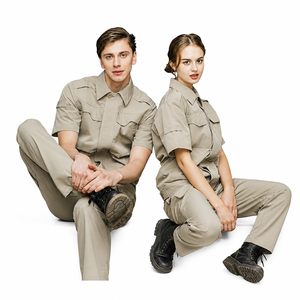
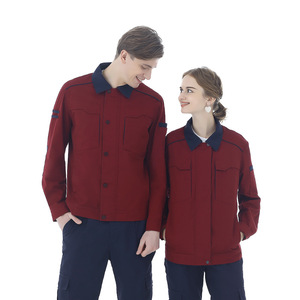
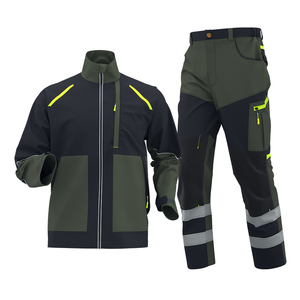
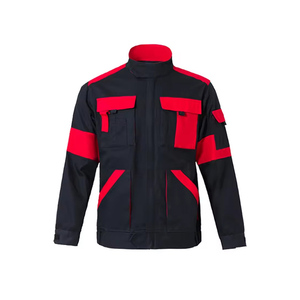
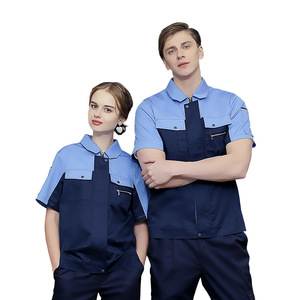
As global supply chains realign to prioritize vertical integration, raw material security, and cost efficiency, Pakistan has emerged as a premier hub for industrial workwear and personal protective equipment (PPE) garment manufacturing. With direct access to long-staple Indus cotton, advanced synthetic spinning facilities, and centuries of textile mastery concentrated across Faisalabad, Karachi, Lahore, and Sialkot, Pakistani workwear manufacturers provide international buyers with a distinct competitive edge.
Unlike regional trading intermediaries or third-party sourcing agents that inflate margins and fragment quality control, top-tier Pakistani OEM garment manufacturers operate fully integrated production systems. From raw yarn spinning and custom weave formulation (such as heavy-duty duck canvas, tear-resistant ripstop, and 2/1 twill) to specialized chemical finishing, computer-aided pattern grading (CAD), and direct port shipping, every phase of production is managed under strict international standards including ISO 9001, OEKO-TEX Standard 100, and EN ISO 20471 compliance.
| Fabric Type | GSM Range | Tensile Strength (Warp/Weft) | Primary Industrial Application | Key Performance Standard |
|---|---|---|---|---|
| 100% Cotton Canvas / Twill | 240 - 380 GSM | > 1200 N / 900 N | Heavy Engineering, Welding, Electrical Utilities | EN ISO 11612 (Heat & Flame Protection) |
| 65/35 Poly-Cotton Ripstop | 190 - 260 GSM | > 1400 N / 1100 N | Civil Construction, Logistics, Plant Mechanics | ISO 13934-1 Abrasion Resistance |
| Nylon-Spandex 4-Way Stretch | 160 - 220 GSM | Flexural Recovery > 98% | Automotive Technicians, High-Mobility Assembly | Quick-Dry ISO 6330 Wash Fastness |
| Hi-Vis Poly-Twill + Retro-Reflective | 200 - 300 GSM | Luminance Factor > 0.70 | Road Infrastructure, Airport Logistics, Mining | EN ISO 20471 Class 2 / Class 3 |
Modern industrial environments present multi-hazard risks ranging from thermal flash fires and arc flashes to liquid chemical splashes and high-abrasion physical wear. Our manufacturing infrastructure incorporates specialized fabric finishing technology directly at the mill level, enabling private label clients to order customized protective workwear tailored to their local regulatory mandates.
Durable Pyrovatex and Proban polymer treatments engineered into 100% cotton and rich blends, maintaining flame-resistant performance up to 50+ industrial laundering cycles under ISO 14116 guidelines.
C6 and fluorine-free water repellent (DWR) and oil-repellent nano-coatings applied via padding and stenter curing, shielding technicians working in petroleum, oil, and liquid chemical facilities.
Continuous grid weaving of continuous conductive carbon or stainless steel fibers (1% to 3%) to prevent electrostatic discharge hazards in semiconductor manufacturing, explosive chemical processing, and sensitive electronics assembly.
Reinforced grid-pattern weaving utilizing high-tenacity polyester or Cordura nylon yarns, preventing tear propagation in high-stress zones such as knees, elbows, and utility pocket attachments.
Fluorescent dye bath processes combined with certified 3M Scotchlite or equivalent glass-bead retro-reflective tape, ensuring 360-degree visibility in low-light and hazardous transit zones.
Silver-ion liquid finishes that inhibit bacterial growth and sweat degradation, crucial for long-shift summer industrial workwear and medical work apparel in warm climates.
Workwear cannot be engineered with a single universal template. Climatic variations, regional regulatory bodies, and specific job-site hazards mandate tailored construction parameters. Below are the primary deployment scenarios where our Pakistani-manufactured workwear delivers optimal performance across regional and global export destinations.
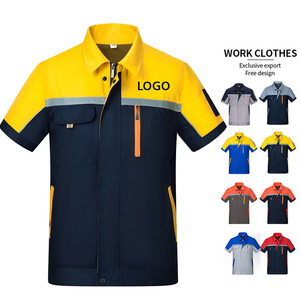
Engineered with 65/35 poly-cotton twill (260 GSM), featuring scratch-free concealed snap buttons, elasticized waistband expansion panels, dynamic 4-way stretch flex zones, and soil-release wash treatments for continuous oil exposure.
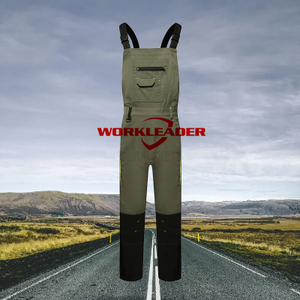
High-durability bib overalls and coveralls built for severe outdoor wear. Incorporates breathable contrast panels, reinforced ruler and hammer pockets, knee pad inserts, and EN ISO 20471 compliant retro-reflective tape.
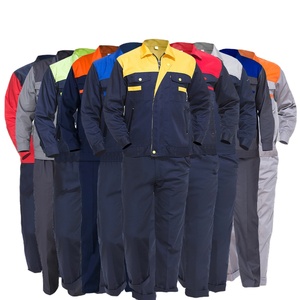
Manufactured using inherently flame-retardant (IFR) or treated 100% cotton canvas with integrated anti-static carbon filaments. Designed with non-sparking brass zippers, storm flaps, and triple-needle stitched crotch gussets.
Lightweight, high-stretch nylon-spandex and breathable poly-cotton blends optimized for repetitive movement, fast moisture evaporation, ergonomic tool pouch storage, and continuous commercial laundry durability.
Non-conductive, arc-flash protection garments utilizing 100% heavy cotton weave (300+ GSM) with dielectric nylon zippers and flame-resistant thread construction under NFPA 70E guidelines.
Ultra-breathable 180-210 GSM fine-yarn cotton-blend work shirts and coveralls with built-in mesh cooling vents under arms and back yoke, specifically formulated to resist UV fading and extreme desert heat.
The industrial workwear manufacturing sector in Pakistan is undergoing a major technological transformation. Driven by international compliance demands, ESG (Environmental, Social, and Governance) requirements from European and North American buyers, and the expansion of domestic industrial corridors, several macro trends are shaping the future of workwear production:
Global brand procurement teams are aggressively transitioning from conventional synthetic fibers to Global Recycled Standard (GRS) certified recycled polyester (rPET) derived from post-consumer plastic bottles, combined with GOTS-certified organic cotton. Pakistani mills are at the forefront of this trend, delivering GRS-traceable poly-cotton workwear twills that reduce carbon footprint without compromising tensile or tear strength.
Traditional rigid workwear is rapidly being replaced by hybrid active-work garments. Mechanized stretch yarns, spandex-blended utility panels, and articulation seams at knees and elbows allow industrial technicians to maneuver in tight spatial environments comfortably. This trend has significantly boosted demand for nylon-spandex workshop sets and modern slim-fit engineer bibs.
Rising inflation and margin pressure have forced international distributors, equipment vendors, and corporate buyers to bypass traditional European and Middle Eastern trading houses. Direct factory integration with Pakistani exporters yields 15% to 30% cost savings while providing direct access to technical pattern makers and sample production units.
Building on over 45 years of continuous family-owned textile manufacturing heritage since 1981, our facility bridges the gap between technical engineering precision and competitive export execution. We operate with an absolute commitment to quality transparency and buyer IP security.
No trading companies or sourcing agents. Speak directly to pattern masters and production directors.
Custom yarn spinning, weaving, and dyeing tailored to exact buyer GSM, color Pantone, and hand-feel.
Strict non-disclosure protocols. Tech packs, custom blocks, and artwork are never shared with external mills.
Sealed export cartons, complete custom clearance documentation, and direct FOB / CIF shipping worldwide.
Essential guidance for corporate procurement officers, safety apparel distributors, and private label brand managers looking to initiate OEM workwear manufacturing in Pakistan.
Our standard working MOQ is 300 to 500 pieces per style, which can be split across colorways and a full size set (S through 5XL). For styles utilizing stock-supported poly-cotton fabrics, lower trial quantities can be accommodated. Custom yarn-dyed or specialized technical fabrics require higher runs due to dye-house lot minimums.
Production typically requires 7 to 9 weeks in total: 1 week for tech pack evaluation and cost modeling, 2 weeks for physical prototype and pre-production (PP) sample sign-off, and 4 to 6 weeks for bulk sewing, quality inspection, and packaging. Air freight shipping takes 5 to 8 days, while ocean freight takes 3 to 5 weeks depending on destination port.
Yes. We regularly manufacture utility apparel matching EN ISO 20471 (High Visibility), EN ISO 11612 (Heat & Flame), EN 343 (Rain Protection), ANSI/ISEA 107, and NFPA 2112 standards. Test certificates from accredited laboratories (SGS, Intertek, UL) can be provided upon request.
Our CAD pattern department utilizes standardized sizing charts for European, North American, Middle Eastern, and Asian fit specifications. We accommodate specialized request parameters including extra-long inseams, plus-size chest grading, and ergonomic articulated sleeve patterns.
We enforce a 4-stage Quality Assurance system: Incoming Raw Material Testing (yarn count, tear strength, color fastness), Inline Sewing Inspection, Mid-line AQL 2.5 auditing, and 100% End-line Visual & Trim Inspection before water-resistant cartoon sealing.
Absolutely. We offer complete private labeling services including custom embossed metal snaps, heavy-duty branded zippers (YKK or custom), silicone or woven sleeve badges, heat-transfer neck labels, barcode polybags, and retail hangtags built to your visual identity.
Send us your tech pack, design sketch, or reference sample. Our engineering team will return a comprehensive feasibility report, material recommendations, and direct factory quotation within 24 hours.