Engineered for high-stress operation, compliance with EN ISO standards, and localized deployment across Flanders, Wallonia, and Brussels.
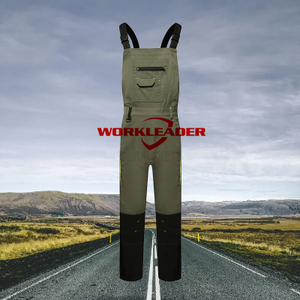
Engineered for construction engineers and industrial tactical teams requiring high-mobility bib coverage, multi-pocket utility storage, and reinforced knees.
Get a Quote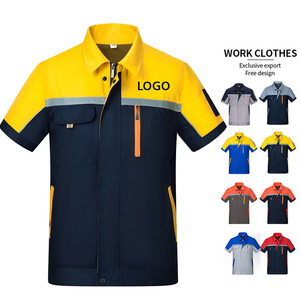
Ergonomic dual-sleeve tactical jacket and pant sets. Ideal for corporate security details, perimeter force units, and maintenance mechanics.
Get a Quote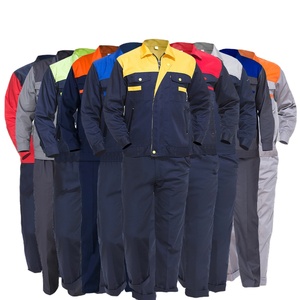
High-density polyester protective suits treated for tear-resistance and color-fastness under harsh industrial washing conditions.
Get a Quote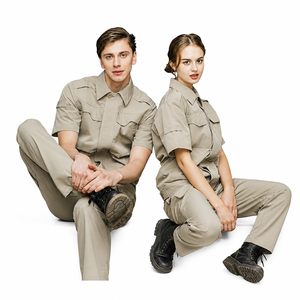
Lightweight nylon-spandex active weave providing maximum dynamic flexibility for factory technicians and rapid-response tactical teams.
Get a Quote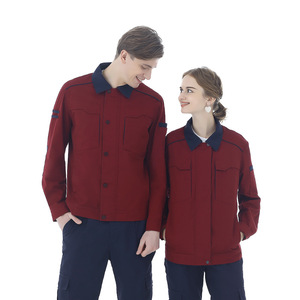
Tough cotton-poly blended suit built with double-stitched bar-tacks for operational endurance in maritime maintenance and dockside security.
Get a Quote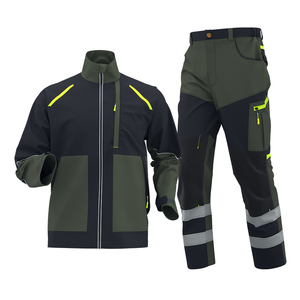
3M-style high-visibility reflective integration across chest and limbs, providing night-shift security compliance and safety visibility.
Get a Quote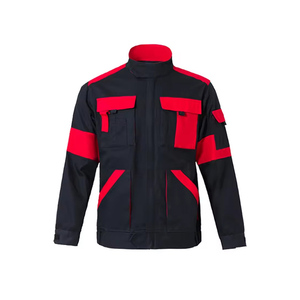
100% natural cotton construction designed to prevent electrostatic discharge in sensitive technical, electrical, and tactical operations.
Get a Quote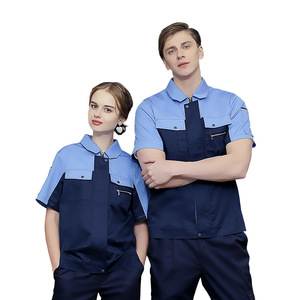
Optimized for warm-weather logistics operations, combining sweat evaporation channels with robust tear-resistant weaving.
Get a QuoteBelgium occupies a central geopolitical role within the European Union and NATO, hosting major military headquarters, international diplomatic institutions, and critical logistical arteries such as the Port of Antwerp-Bruges. Consequently, the demand for specialized tactical gear manufacturers & suppliers in Belgium requires a sophisticated understanding of rigorous European specifications, environmental compliance, and high-performance material science.
Modern tactical gear must balance protection, ergonomics, and durability under severe operational environmental stress. As an integrated fabric mill and garment export house, our production lines formulate custom textile constructions tailored to specific operational requirements:
| Fabric Formulation | Composition & GSM | Primary Performance Metrics | Target Operational Application |
|---|---|---|---|
| Polyester-Cotton Ripstop | 65% Poly / 35% Cotton (210 - 245 GSM) | High tensile strength, anti-tear grid pattern, color-fast to UV exposure | Patrol uniforms, field tactical pants, military fatigue shirts |
| Nylon-Spandex Active Weave | 90% Nylon / 10% Elastane (160 - 190 GSM) | 4-way stretch elasticity, rapid moisture vapor transmission, hydrophobic | Rapid-response tactical shirts, inner-layer mechanics wear |
| Cordura® Reinforced Canvas | 500D / 1000D Nylon Matrix | Extreme abrasion resistance (>50,000 Rub cycles), puncture mitigation | Tactical load-bearing vests, elbow/knee patch reinforcements |
| ESD Anti-Static Cotton | 98% Combed Cotton / 2% Carbon Grid | Surface resistivity < 10^9 Ω, breathable natural fiber comfort | Electrical maintenance uniforms, ordinance handling protection |
Beyond baseline weaving, tactical gear delivered to Belgian buyers undergoes accredited surface finishing treatments:
Targeted apparel solutions designed specifically for regional climate conditions, legal mandates, and operational environments across Belgian sectors.
The damp, salt-rich, and heavy industrial environment of Belgium's primary port demands tactical workwear featuring high-level corrosion resistance (plastic/nylon YKK zips), EN ISO 20471 Class 3 high-visibility contrast strips, and windproof storm-flap barriers.
Urban tactical units operating in Brussels require high-mobility outerwear with hidden MOLLE attachment points, ergonomic crotch gussets, and discrete badge fasteners compliant with Belgian Federal and Local Police visual identity guidelines.
Operating under Wallonia's dense woodland and rugged terrain requires thermal-insulated mid-layers paired with tear-resistant 500D Ripstop outer shells capable of withstanding rough forest brush and low temperatures.
Key regulatory and industrial shifts influencing tactical gear purchasing decisions across the Benelux region.
Belgian defense and municipal procurement mandates strictly enforce European REACH regulations. Apparel imports must be certified free from azo dyes, heavy metals, and toxic PFAS water-repellents. Modern procurement officers demand full supply chain audit documentation down to the yarn-spinning lot.
Tactical gear is shifting from static clothing to dynamic equipment platforms. Belgian private security firms and industrial teams demand uniforms pre-fitted with integrated cable-routing channels for communications gear, bodycam mounts, and lightweight modular armor pockets.
Operating as a family-owned custom garment factory and direct export mill since 1981, NG Apparels removes third-party trading intermediaries. This direct structure offers significant operational advantages for Belgian importers, brand owners, and procurement personnel:
Unlike standard apparel exporters who source off-the-shelf fabric from third-party markets, we knit, weave, and finish custom fabrics in-house. We match exact GSM, stretch memory, and color standards without material compromises.
Our experienced pattern engineering department evaluates your blueprint, standardizing measurement tolerances, stitch densities, and seam stress points before fabric cutting begins—ensuring high first-sample approval rates.
Because we do not work through sourcing agents, your proprietary tactical designs, camouflage patterns, and tech packs remain strictly within our facility, avoiding distribution to unvetted subcontractors.
Every garment is manufactured under transparent, fair-trade working conditions with zero child labor, documented living wages, and complete social compliance. Buyers are welcome to inspect our facility in person or via live video audits.
Essential guidance on minimum order quantities, shipping logistics to Belgium, compliance, and custom production timelines.
Our standard working MOQ is 300 pieces per style, allowing flexible breakdown across size sets and color options. For custom-dyed specialized technical fabrics, higher fabric lot sizes may apply, whereas stock-supported tactical fabrics can be ordered in lower initial volumes.
The total factory lead time ranges from 7 to 9 weeks: 1 week for tech pack review and costing, 2 weeks for prototype/pre-production sample approval, and 4 to 6 weeks for bulk sewing and finishing. Express air freight to Brussels Airport takes 5-8 business days, while ocean freight to the Port of Antwerp typically takes 4-5 weeks.
Yes. All raw yarns, dyes, chemical finishes, and metallic trims (such as nickel-free snaps and zippers) strictly follow EU REACH standards. Test documentation and material safety data sheets (MSDS) can be provided alongside your export documentation.
Absolutely. We specialize in full OEM/private label manufacturing. You can provide vector tech packs, physical reference samples, or specification sheets. We handle pattern digitizing, custom screen/sublimation printing, embroidery, and specialized trim sourcing.
We provide full export documentation including Commercial Invoice, Packing List, Bill of Lading / Airway Bill, and Certificate of Origin (COO). Shipments can be terms FOB, CIF, or Delivered Duty Paid (DDP) depending on your logistics preference.
Consult directly with our textile engineers and merchandising experts. Send us your tech pack or product specification to receive a transparent quote and feasibility review within 24 hours.
Get a Quote