Engineered for high-durability apparel lines, technical workwear, and fast-turnaround export production across Sri Lanka’s major manufacturing zones including Katunayake, Biyagama, and Seethawaka FTZs.
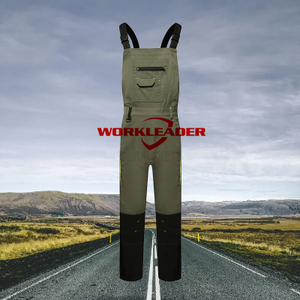
12oz Heavy Denim / Rip-Resistant Canvas
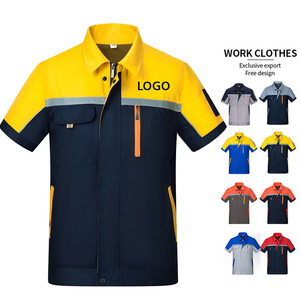
Cotton-Poly Indigo Slub Blend
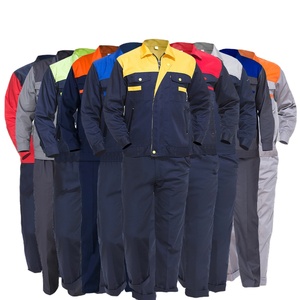
High Tensile Poly-Denim Structural Weave
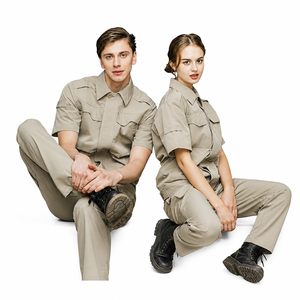
4-Way Stretch Performance Denim Alternative
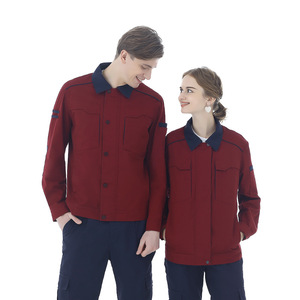
Reinforced 3/1 Right Hand Denim Twill
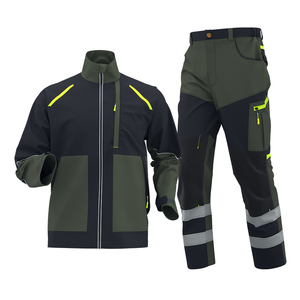
Reflective High-Vis Safety Denim
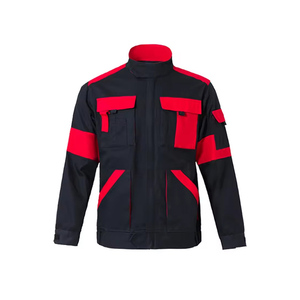
100% Breathable Cotton Utility Denim
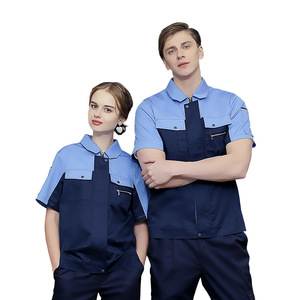
Lightweight 6.5oz Tropical Denim Blend
Sri Lanka’s apparel manufacturing industry—renowned globally under the moniker "Garments Without Guilt"—holds an esteemed position in high-end woven, denim, and activewear production. Major garment conglomerates such as MAS Holdings, Brandix Apparel Limited, and Hirdaramani Group, alongside specialized BOI (Board of Investment) registered factories, rely heavily on ultra-reliable yarn-dyed woven and denim fabric supply chains. China remains the indispensable global powerhouse for raw cotton processing, advanced rope-dyeing technology, and synthetic blend innovations.
Navigating the global denim mill landscape requires a granular understanding of textile engineering, ocean freight logistics across the Bay of Bengal, duty drawback mechanisms under Sri Lankan BOI regulations, and environmental wash compliance. As a vertically integrated textile manufacturer established in 1981, our facility bridges the gap between high-capacity Chinese yarn-spinning/weaving mills and Sri Lankan garment export facilities. By eliminating intermediary trading agencies, direct mill partnership ensures strict adherence to color-fastness, tensile strength, and eco-certified finishing protocols demanded by tier-1 brands in North America, Europe, and the UK.
Direct import of high-grade denim rolls via direct ocean container shipping from China ports (Ningbo, Guangzhou, Shanghai) to the Port of Colombo yields a 14% to 22% reduction in landed fabric cost compared to regional stockist prices. Furthermore, customized fabric specifications—such as pre-sanforized slub patterns and Tencel-blended 4-way stretch denim—can be engineered to exact yield requirements, eliminating cut-room fabric waste in Sri Lankan factories.
Selecting the optimal denim substrate depends on the garment’s functional application, intended wash process (laser, ozone, enzyme, or stone wash), and climate requirements of the target consumer market. The table below details our core denim fabric series exported directly to Sri Lankan apparel manufacturers.
| Fabric Code | Weight (oz/sq.yd) | Composition Breakdown | Weave Structure | Dyeing Technique | Primary Application |
|---|---|---|---|---|---|
| DN-RIG-145 | 14.5 oz | 100% Ring-Spun Cotton | 3/1 Right Hand Twill | Pure Indigo Rope Dye (12 Dips) | Heavy Workwear Overalls, Heavyweight Heritage Jeans |
| DN-STR-115 | 11.5 oz | 92% Cotton, 6% T400, 2% Spandex | Broken Twill / Slub Warp | Indigo + Sulfur Black Topped | Premium Stretch Fashion Denim, Ergonomic Workwear |
| DN-LGT-075 | 7.5 oz | 65% Cotton, 35% Viscose/Tencel | 2/1 Left Hand Twill | Eco-Liquid Indigo Dye | Tropical Shirts, Lightweight Summer Coveralls, Kidswear |
| DN-RIP-100 | 10.0 oz | 80% Cotton, 18% Poly, 2% Antistatic Fiber | Rip-Stop Grid Weave | Sulfur Black Vat Dyeing | Industrial Safety Uniforms, Reflective Stripped Overalls |
| DN-ECO-120 | 12.0 oz | 50% Recycled Cotton, 50% Organic Cotton | 3/1 Standard Cross Twill | Waterless Aniline-Free Indigo | GSP+ European Sustainable Retail Collections |
We utilize open-end (OE) spinning for high-durability industrial utility wear, ring-spun yarns for classic slub characteristics, and dual-core elastane technology (T400 + Spandex) to ensure 98% shape recovery after 50 industrial laundry cycles.
All exported denim rolls undergo rigorous sanforization processes, ensuring residual fabric shrinkage is maintained under 3% in both warp and weft dimensions, eliminating panel distortion during automated cutting in Colombo facilities.
Specifically formulated to react predictably with Jeanologia® laser engraving and e-Flow ozone washing equipment widely deployed across Sri Lankan green-certified wash houses.
Sri Lanka’s apparel ecosystem is divided into distinct specialized manufacturing zones, each with unique technical requirements for raw denim fabric and completed workwear garments. Understanding these localized application scenarios ensures seamless integration into factory assembly lines.
Primary Hubs: Katunayake FTZ, Biyagama FTZ, Seethawaka Export Processing Zone.
Factories operating within Sri Lanka’s BOI zones specialize in full-package production for top-tier Western buyers (EU, US, UK). These facilities require continuous roll-to-roll shade consistency (5000+ yards per dye lot) within Delta-E < 0.8 limits. Our denim series is packed with moisture-barrier wrapping to survive ocean transit and integrate directly into automated Gerber or Lectra cutting spreads.
Primary Hubs: Colombo Port Expansion Area, Hambantota Industrial Zone, Maritime Maintenance Yards.
The rise of major port logistics, naval engineering, and industrial construction across Sri Lanka has surged the demand for rugged 100% cotton and poly-cotton denim coveralls. Fabrics must feature tear strength exceeding 35N and tensile strength over 600N to withstand aggressive mechanical stress in tropical climate conditions.
Primary Hubs: Colombo Retail Sector, Kandy, Galle, Kurunegala Commercial Distributors.
Domestic Sri Lankan fashion brands require lightweight, breathable denim fabrics (6oz to 9.5oz) suitable for high humidity levels. Blends featuring viscose, Modal, or fine-count combed cotton offer maximum skin comfort, rapid sweat evaporation, and soft hand-feel straight off the store rack without aggressive industrial washing.
As global brand buyers tighten environmental standards, Sri Lankan manufacturers are pivoting toward sustainable, technical, and fast-response production models. Alignment with these macro trends provides Sri Lankan mills and factories with a decisive competitive advantage.
Sri Lanka’s preferential trade access to the European market under GSP+ hinges on stringent adherence to environmental conventions. Sri Lankan garment washing units are bound by Central Environmental Authority (CEA) water discharge rules. Importing pre-washed or waterless-dyed denim fabrics from China reduces chemical oxygen demand (COD) and biological oxygen demand (BOD) load in local factory effluent treatment plants (ETP).
The traditional boundary between industrial workwear and activewear is blurring. Sri Lankan manufacturers are actively requesting high-elasticity nylon-spandex hybrid denim and polyester-cotton utility fabrics that offer mechanical stretch, moisture-wicking properties, and lightweight structural resistance for field engineers and logistics workers.
Export buying windows have compressed from 16 weeks to 6–8 weeks. Chinese denim suppliers capable of delivering physical 3-yard sample cuts within 5 days alongside digital 3D fabric files (compatible with CLO3D / Browzwear) enable Sri Lankan design teams to pitch winning samples to overseas buyers before bulk weaving begins.
With over four decades of continuous manufacturing heritage since 1981, our facility operates at the intersection of traditional weaving mastery and automated modern textile engineering. As a family-owned vertically integrated mill and direct exporter, we provide Sri Lankan partners with unmatched transparency and structural cost advantages.
You work directly with the mill owners and textile engineers who spin, dye, and weave your fabric. Eliminating buying agents removes arbitrary price markups and ensures technical feedback is executed directly on the loom floor.
Every dye lot undergoes rigorous laboratory testing prior to roll sealing, including testing for crocking fastness (ISO 105-X12), dimensional stability after washing (ISO 6330), and formaldehyde content verification.
Our mill complies fully with SA8000 social accountability standards, providing fair living wages, audited safe workplace environments, and clean energy initiatives across our weaving and finishing facilities.
Over 3,000 ready patterns, custom slub design capabilities, specialized coating (polyurethane, acrylic, wax finish), and custom salvage weaving tailored to client specifications.
Clear answers regarding customs clearance, L/C payment options, freight shipping routes, and BOI duty-free procedures for Sri Lankan procurement teams.