Precision-Engineered Technical Fabrics and Heavy-Duty Garment Solutions Formulated for European Industry Standards
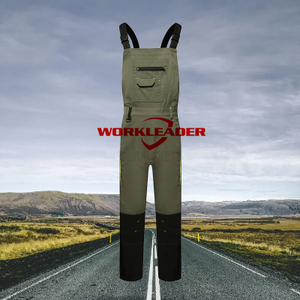
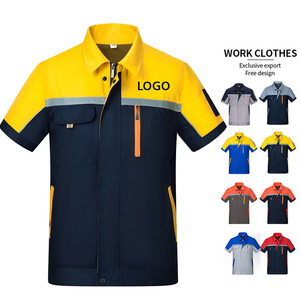
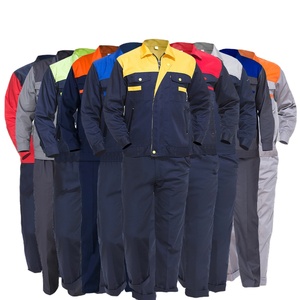

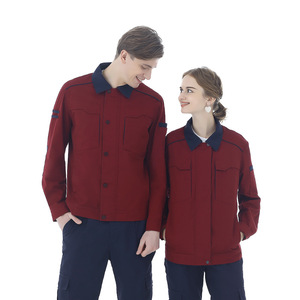
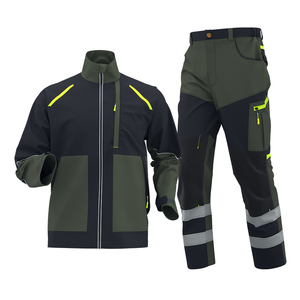
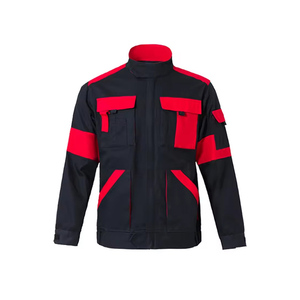

Targeted Textile Engineering Designed to Meet the Geographic, Climatic, and Operational Realities of Portuguese Enterprises
The industrial corridor spanning Porto, Vila Nova de Famalicão, Guimarães, and Braga represents the heart of Portugal’s textile heritage (Indústria Têxtil e do Vestuário - ITV). Local garment manufacturers require high-grade, warp-and-weft consistent raw woven textiles to supply fashion labels across Europe.
Our direct mill supply provides Portuguese garment factories with premium combed cotton twills, poplins, and mechanical stretch wovens engineered for precision cutting, low shrinkage (<2%), and uniform dye retention under intensive wash cycles.
Major infrastructure operations along the Lisbon-Setúbal-Sines axis—ranging from deep-water maritime port expansion to renewable energy logistics—require heavy-duty protective workwear constructed to withstand extreme environmental stress.
We engineer high-density Ripstop Poly-Cotton canvas fabrics featuring specialized Durable Water Repellent (DWR) coatings and high-tensile tear strength. These fabrics protect civil engineering teams operating in salt-spray, high-humidity, and coastal construction zones.
Automotive manufacturing clusters in Palmela and Mangualde demand non-abrasive, anti-static, and oil-repellent work coveralls for assembly line technicians and paint-shop workers. Standard fabrics can shed lint or generate electrostatic discharge, compromising finish quality.
Our specialized Nylon-Spandex wovens and carbon-filament embedded cottons ensure zero-lint emission, full freedom of movement for mechanics, and immunity against petroleum derivatives and hydraulic fluids.
The Portuguese textile market is undergoing a major structural transformation driven by stringent European Union directives, sustainable supply chain mandates, and dynamic trade realities across Western Europe:
With the implementation of the EU Corporate Sustainability Due Diligence Directive (CSDDD) and Corporate Sustainability Reporting Directive (CSRD), Portuguese enterprise buyers can no longer rely on undocumented tier-2 fabric sourcing. Buyers require full lot-level traceability from raw yarn sourcing to final dyeing. NG Apparels supplies complete compliance documentation, including OEKO-TEX Standard 100 certificates and REACH Annex XVII chemical testing validation.
Traditional single-property workwear is rapidly being replaced by multi-norm functional garments across Portugal’s utility sector. Procurement teams are demanding single-fabric formulations that simultaneously deliver flame resistance (EN ISO 11612), anti-static protection (EN 1149-5), high visibility (EN ISO 20471), and water repellency—allowing fleet managers to consolidate uniform inventory across diverse operational divisions.
While Portugal serves as a major manufacturing hub for Europe, domestic fabric mills often face capacity constraints or inflated energy costs for energy-intensive weaving and dyeing. By forging direct, vertically integrated partnerships with primary Indian export mills, Portuguese brands secure predictable pricing, massive scaling capacity, and rapid 7-9 week door-to-door delivery directly into the ports of Leixões or Lisbon.
Sustainability is a decisive procurement criteria in Portugal. We lead the sector by offering GOTS-certified organic cotton, recycled polyester (rPET) wovens derived from post-consumer PET bottles, and bio-based viscose/bamboo blends engineered specifically to withstand industrial laundering (ISO 15797) without fiber degradation.
Direct Vertically Integrated Manufacturing Eliminating Intermediary Costs, Delays, and Quality Risks
Headquartered in Ludhiana, India, NG Apparels has operated for over four decades as a family-owned fabric mill and direct export house across three generations. We own and control the entire manufacturing value chain—from yarn spinning, weaving, and circular knitting to specialized chemical dyeing, pattern engineering, and garment assembly.
By removing third-party sourcing agents, your technical tech packs and proprietary fabric formulations remain strictly confidential inside our facility. We sign binding NDAs and archive pattern blocks under encrypted buyer accounts. Furthermore, eliminating agency markups saves our buyers 15% to 22% in gross sourcing costs.
Our in-house wet processing lab applies high-performance finishes tailored to your exact specifications: Teflon™ stain resistance, PROBAN® durable fire retardancy, SILVADUR™ antimicrobial silver-ion treatments, UV block coatings (UPF 50+), and industrial garment washings (enzyme, stone, and acid wash).
| Evaluation Parameter | NG Apparels Standard | Conventional Sourcing Agents |
|---|---|---|
| Yarn & Dye Assurance | 100% A-grade virgin yarns; azo-free certified dyes | Mixed lot yarns; inconsistent batch dyeing |
| Defect Tolerance Rate | < 5% minor defect ceiling on hand-finished goods | 8% to 15% uninspected defect rate |
| First Prototype Accuracy | 99% compliance to buyer Tech Pack specifications | Multiple revision rounds required (3-5 cycles) |
| Ethical Audit Trail | Fair Wage documented, SA8000 aligned, zero child labor | Unvetted subcontracting factories |
Direct Answers Regarding Ordering Logistics, Customs Clearances, Minimum Quantities, and Fabric Testing
Our standard working MOQ for custom garment manufacturing is 300 pieces per style, which can be split across multiple colors and a complete European size run (XS to 5XL). For specialized custom woven fabric development (custom dyeing, specific GSM formulation, or technical weaving), MOQs start higher due to fixed yarn dye vat capacities. However, if your order utilizes our stock-supported technical wovens, lower trial volumes can be accommodated.
As an experienced global exporter, NG Apparels issues full EU-compliant shipping documentation—including Commercial Invoices, Packing Lists with precise HS Codes (such as 5208 for woven cotton or 6203 for workwear), Certificate of Origin (Form A / REX statement where applicable), and Bills of Lading. Your Portuguese customs broker or logistics partner can seamlessly clear goods at the Port of Leixões (Porto) or Port of Lisbon using your corporate EORI number.
Yes. All raw materials, dyes, and chemical auxiliaries utilized in our dyehouses are strictly compliant with REACH Annex XVII regulations (zero restricted AZO colorants, heavy metals, formaldehyde, or phthalates). We provide OEKO-TEX Standard 100 test reports and GOTS certificates (for organic lines) with every shipped bulk lot, ensuring your brand is fully protected under EU consumer safety laws.
Total turnaround time typically spans 7 to 9 weeks: 1 week for technical tech pack costing and fabric reservation, 2 weeks for CAD pattern grading and pre-production sample approval, and 4 to 6 weeks for bulk weaving, garment stitching, and AQL 2.5 final inspection. Logistics transit to Portugal takes approximately 25 to 30 days via ocean freight directly to Leixões/Lisbon ports, or 5 to 7 days via air freight to Porto (OPO) or Lisbon (LIS) airports.
Absolutely. Once technical specifications and preliminary costing are confirmed, our sample room cuts a physical prototype in your chosen woven fabric. This allows your product development team in Portugal to rigorously test hand-feel, fit ergonomics, seam tensile strength, and wash shrinkage before approving full-scale production runs.
Partner directly with India’s leading vertically integrated textile export mill. Send your tech pack, fabric target, or project RFQ today—our senior merchandising team responds within 24 business hours.
Send an Inquiry